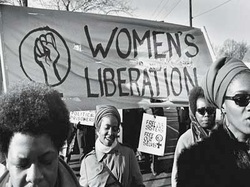
Ever felt that nagging discomfort, that insidious feeling that the world wasn’t quite designed for you? That the rules, written in the archaic ink of patriarchy, inherently favor one sex over another? If so, you’ve already dipped your toes into the turbulent waters of feminism. And within that vast ocean, one current stands out, a pragmatic, persistent force for change: Liberal Feminism. But before you roll your eyes and dismiss it as just another watered-down iteration of “girl power,” let’s unpack what this school of thought truly advocates. It’s not about burning bras or hating men (although, frankly, sometimes…). It’s about something far more profound: dismantling systemic inequalities through legal and political reforms. Are you ready to have your assumptions challenged?
We’re not talking about a revolutionary overthrow of society, bathed in the blood of the patriarchy, though some days that imagery is admittedly tempting. Liberal feminism, in its essence, is a reformer’s creed. It operates within the existing structures, using the tools of legislation, advocacy, and education to chip away at the edifice of gender inequality. Think of it as a persistent termite, slowly but surely weakening the foundations of a fundamentally unfair system. Its central tenet is simple: all individuals, regardless of gender, are entitled to the same rights, freedoms, and opportunities. Sounds straightforward enough, right? But the devil, as always, is in the details.
The Pillars of Liberal Feminism: A Decalogue of Demands
Let’s delve into the core principles that underpin this often-misunderstood philosophy. These aren’t just abstract ideals; they are the cornerstones upon which a more equitable society can be built.
1. Legal and Political Equality: The Bedrock of Justice
This is the foundational demand. The right to vote, the right to own property, the right to enter into contracts, the right to equal protection under the law – these are not privileges granted by a benevolent state; they are inherent rights that should be guaranteed to all, irrespective of their sex. Denying these rights based on gender is not just discriminatory; it’s a fundamental violation of human dignity. Think of the struggles for suffrage, for equal pay, for reproductive rights – all battles fought on the terrain of legal and political equality. These weren’t just symbolic victories; they were tangible steps towards a more just world.
2. Equal Educational Opportunities: Leveling the Playing Field
Education is the great equalizer, or at least it should be. Liberal feminists champion equal access to education for all genders, dismantling the barriers that have historically prevented women from pursuing their intellectual potential. This isn’t just about getting more girls into classrooms; it’s about challenging the curriculum itself, ensuring that it reflects the experiences and contributions of women throughout history. Imagine a world where every child, regardless of their gender, has the opportunity to reach their full potential. A world where STEM fields aren’t dominated by men, and the humanities aren’t seen as exclusively female domains. That’s the promise of equal educational opportunities.
3. Economic Empowerment: Breaking the Glass Ceiling
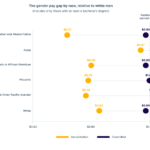
The gender pay gap is not a myth; it’s a stark reality. Liberal feminists advocate for equal pay for equal work, for paid family leave, for affordable childcare – all policies designed to empower women economically and enable them to participate fully in the workforce. This isn’t just about women earning more money; it’s about challenging the deeply ingrained societal norms that undervalue women’s work. Think about the countless hours of unpaid labor that women perform in the home, the caregiving responsibilities that often fall disproportionately on their shoulders. Recognizing and valuing this work is crucial to achieving true economic equality. We need to dismantle the idea that women’s contributions are somehow less valuable than men’s.
4. Reproductive Rights: Autonomy Over One’s Own Body
The right to control one’s own body is a fundamental human right. Liberal feminists fiercely defend reproductive rights, including access to contraception and abortion, arguing that women should have the autonomy to make decisions about their own reproductive health without interference from the state. This isn’t just about abortion; it’s about ensuring that women have access to comprehensive reproductive healthcare, including prenatal care, family planning services, and maternal health services. Denying women control over their own bodies is a form of oppression, a way of controlling their lives and limiting their potential.
5. Challenging Gender Stereotypes: Dismantling the Social Construct
Gender is not a biological destiny; it’s a social construct, a set of expectations and norms that are imposed on individuals based on their sex. Liberal feminists challenge these stereotypes, arguing that they limit both men and women, preventing them from reaching their full potential. Think about the expectations that boys be strong and stoic, while girls be passive and nurturing. These are not inherent traits; they are learned behaviors, reinforced by society. Challenging these stereotypes requires a conscious effort to deconstruct the traditional notions of masculinity and femininity, creating space for individuals to express themselves authentically, regardless of their gender.
6. Promoting Gender-Neutral Language: Rewriting the Narrative
Language shapes our perception of reality. Liberal feminists advocate for the use of gender-neutral language, arguing that it helps to dismantle the linguistic biases that reinforce gender stereotypes. Think about the use of “he” as the default pronoun, or the prevalence of male-centered language in legal and political discourse. These seemingly small details can have a profound impact on how we perceive the world. Adopting gender-neutral language is not just a matter of political correctness; it’s a way of creating a more inclusive and equitable society.
7. Encouraging Male Allyship: Building Bridges, Not Walls
Feminism is not just a women’s issue; it’s a human issue. Liberal feminists recognize the importance of male allyship, encouraging men to stand alongside women in the fight for gender equality. This isn’t about men “saving” women; it’s about men recognizing their own privilege and using it to challenge the patriarchy. True allyship requires men to listen to women’s experiences, to amplify their voices, and to take concrete action to dismantle gender inequality in their own lives and communities. It’s about recognizing that gender equality benefits everyone, not just women.
8. Advocacy for LGBTQ+ Rights: Expanding the Circle of Inclusion
Gender and sexuality are inextricably linked. Liberal feminists recognize that the fight for gender equality must include the fight for LGBTQ+ rights. This isn’t just about tolerance; it’s about celebrating diversity and creating a society where everyone can live authentically, regardless of their sexual orientation or gender identity. LGBTQ+ rights are human rights, and denying these rights is a form of oppression that harms us all.
9. Promoting Intersectionality: Recognizing the Complexity of Identity
Gender is not the only axis of oppression. Liberal feminists recognize the importance of intersectionality, acknowledging that gender intersects with race, class, sexual orientation, and other social identities to create unique experiences of discrimination. This isn’t about ranking oppressions; it’s about understanding how different forms of discrimination interact and reinforce each other. An intersectional approach to feminism requires us to listen to the voices of marginalized women, to amplify their experiences, and to develop solutions that address the root causes of inequality.
10. Continuous Self-Reflection: A Commitment to Growth
Feminism is not a dogma; it’s a process. Liberal feminists recognize the importance of continuous self-reflection, acknowledging that our understanding of gender and inequality is constantly evolving. This isn’t about being perfect; it’s about being willing to learn, to grow, and to challenge our own biases. A commitment to self-reflection is essential for ensuring that feminism remains relevant and effective in the face of new challenges.
The Critique: Where Liberal Feminism Falls Short
No school of thought is immune to criticism, and liberal feminism is no exception. Its critics argue that its focus on legal and political reforms is too incremental, that it fails to address the deeper, more systemic roots of gender inequality. Some contend that it’s too individualistic, focusing on individual rights rather than collective liberation. Others argue that it’s too focused on the experiences of white, middle-class women, neglecting the needs of marginalized women. These are valid criticisms, and they highlight the limitations of a purely liberal approach to feminism. However, they shouldn’t be used to dismiss the very real progress that liberal feminists have achieved.
The Enduring Legacy: A Foundation for Progress
Despite its limitations, liberal feminism has played a crucial role in advancing women’s rights. From the suffrage movement to the fight for equal pay, liberal feminists have been at the forefront of the struggle for gender equality. They have challenged discriminatory laws, opened doors to educational and economic opportunities, and raised awareness about the pervasive nature of gender inequality. Their legacy is a testament to the power of persistence, the importance of pragmatism, and the enduring appeal of the ideals of rights, freedom, and equality. It’s a foundation upon which more radical and transformative forms of feminism can build.
So, is liberal feminism the complete answer to the question of gender inequality? Perhaps not. But it’s a crucial piece of the puzzle, a vital component of a broader, more nuanced, and more inclusive feminist project. It’s a starting point, a framework for understanding, and a call to action. And perhaps, just perhaps, it’s the spark that will ignite a revolution, one legal reform, one policy change, one changed mind at a time. The journey towards true gender equality is a marathon, not a sprint. And liberal feminism is one of the many runners on the track, striving towards a future where all individuals, regardless of gender, can reach their full potential. Will you join the race?







Leave a Comment