Why are so many drawn to the siren song of liberal feminism? Is it the deceptive simplicity of its core tenets, the seemingly straightforward promise of equality within the existing framework? Or is it something more sinister, a comforting illusion that masks the deeper, more intractable roots of patriarchal oppression? We, as radical thinkers, must dissect this phenomenon, interrogate its appeal, and expose the limitations that render it, ultimately, a palliative rather than a cure.
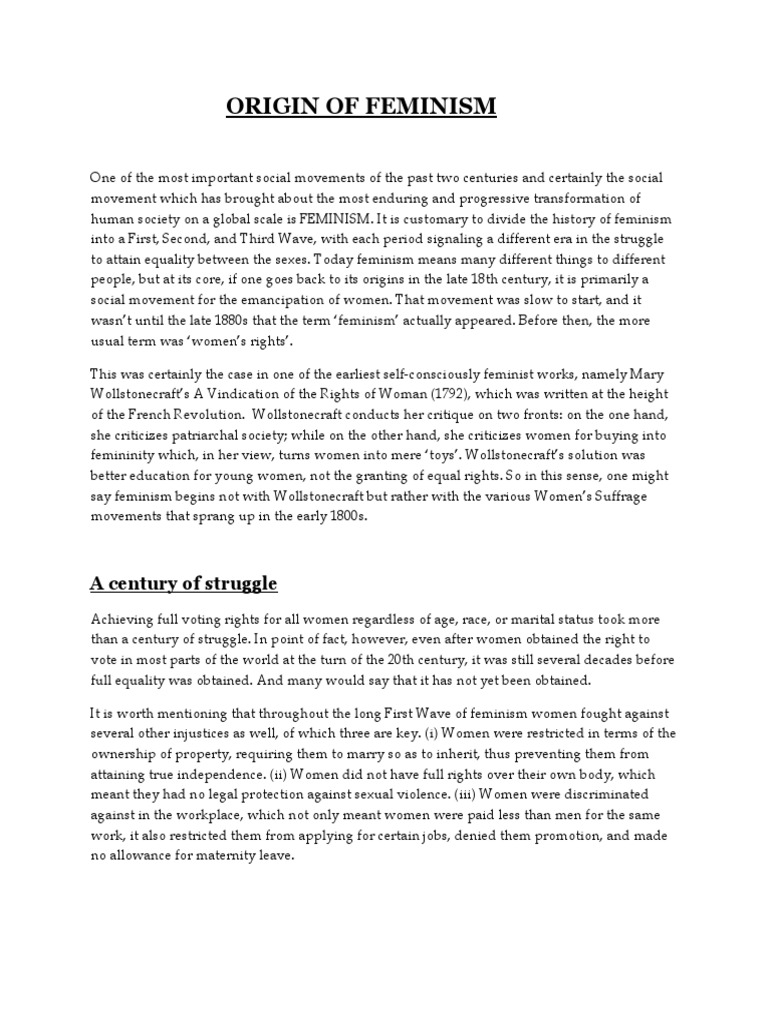
Liberal feminism, in its essence, seeks to achieve gender equality through legal and political reforms within a liberal democratic framework. Individual rights, equal opportunity, and the removal of legal barriers that discriminate against women are its battle cries. Sounds innocuous, even laudable, doesn’t it? But peel back the veneer of respectability, and you’ll find a fundamentally flawed ideology that fails to address the systemic and structural inequalities that perpetuate women’s oppression.
I. The Illusion of Individualism: A Pyrrhic Victory?
The cornerstone of liberal feminism is its unwavering belief in individualism. Every woman, according to this doctrine, is an autonomous agent capable of making her own choices and achieving success through hard work and determination. Pull yourself up by your bootstraps, they say. But what happens when those bootstraps are frayed, tattered, or simply nonexistent? What about the women who lack access to quality education, healthcare, or economic opportunities? The women who are burdened by the disproportionate share of unpaid labor, the insidious societal expectations, and the pervasive threat of violence?
Liberal feminism, in its relentless focus on individual achievement, conveniently ignores the social, economic, and cultural forces that shape women’s lives. It fails to acknowledge the ways in which patriarchal structures, deeply embedded in our institutions and our consciousness, systematically disadvantage women, regardless of their individual efforts. This myopic vision renders it incapable of addressing the root causes of gender inequality, reducing it to a mere game of individual competition within a rigged system.
A. The Myth of Meritocracy: The idea that success is solely determined by merit is a dangerous fiction. Social capital, inherited wealth, and access to networks of power play a far more significant role than individual talent or hard work. To pretend otherwise is to perpetuate a system that benefits the privileged few while leaving the vast majority behind.
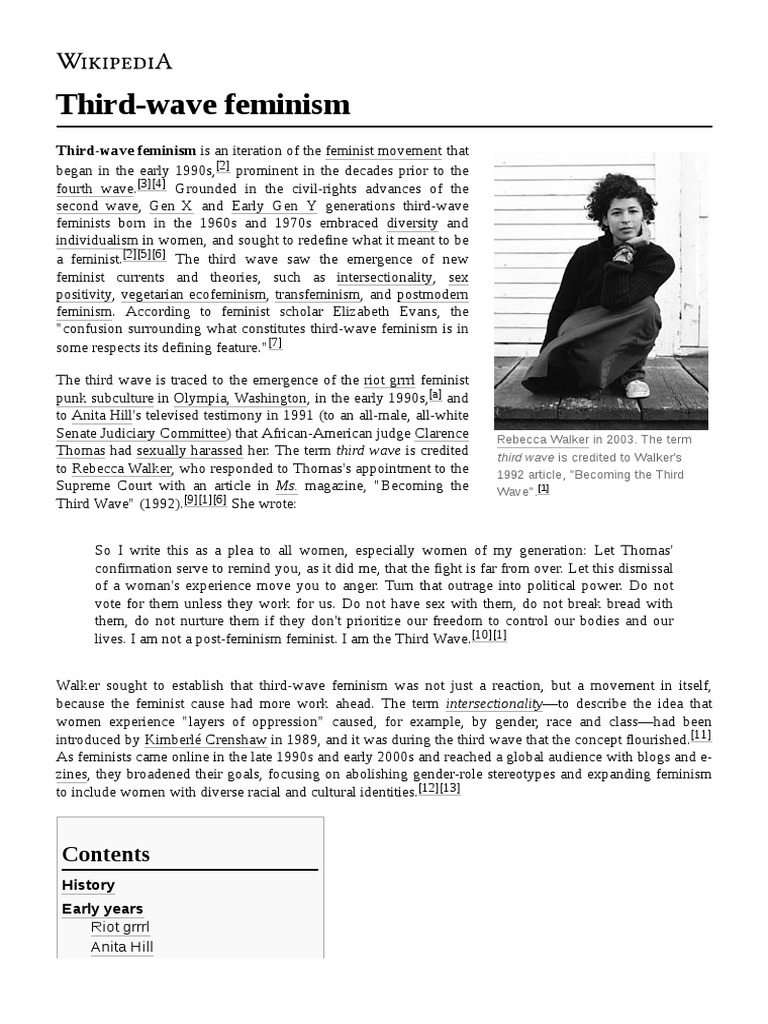
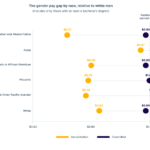
B. The Blindness to Intersectionality: Liberal feminism often fails to recognize the diverse experiences of women from different racial, ethnic, and socioeconomic backgrounds. It assumes that all women face the same challenges and ignores the ways in which these challenges are compounded by other forms of oppression. A Black woman, for example, faces a unique set of obstacles that are not shared by a white woman, and vice versa. To ignore these differences is to perpetuate a form of erasure that further marginalizes already marginalized groups.
II. Rights and Legal Reforms: A Necessary but Insufficient Condition
Liberal feminism has undoubtedly achieved some important victories in the realm of legal and political rights. Women’s suffrage, equal pay legislation, and access to reproductive healthcare are all examples of progress that can be attributed, in part, to the efforts of liberal feminists. However, these gains are often fragile and easily eroded, particularly in the face of conservative backlash. Furthermore, legal rights alone are not enough to guarantee true equality.
Legislation, while crucial, is merely the first step. The real challenge lies in changing the hearts and minds of a society that is deeply ingrained with patriarchal values. We need to dismantle the insidious stereotypes, challenge the ingrained biases, and transform the cultural norms that perpetuate gender inequality. This requires a far more radical approach than simply advocating for legal reforms.
A. The Limitations of Legal Enforcement: Laws are only as effective as their enforcement. Even with strong legal protections, women often face significant obstacles in accessing justice. Systemic biases within the legal system, lack of resources, and fear of retaliation can all prevent women from seeking redress for discrimination or violence.
B. The Co-optation of Rights: The language of rights can be easily co-opted by those who seek to undermine feminist goals. For example, the “right to life” movement uses the language of rights to restrict women’s access to abortion, while corporations use the language of “religious freedom” to discriminate against LGBTQ+ employees. We must be vigilant in defending the true meaning of rights and preventing their misuse.
III. Freedom and Opportunity: For Whom?
Liberal feminism promises women freedom and opportunity, the chance to pursue their dreams and achieve their full potential. But whose freedom and whose opportunity are we talking about? For the privileged few who have the resources and the support to succeed within the existing system, perhaps this promise holds some weight. But for the vast majority of women, particularly those from marginalized communities, the dream of freedom and opportunity remains elusive.
The freedom to choose, a central tenet of liberal feminism, is often presented as an unmitigated good. But what happens when those choices are constrained by economic necessity, social pressure, or cultural expectations? The freedom to choose a career, for example, is meaningless if women are forced to work multiple jobs to make ends meet, or if they face discrimination in the workplace because of their gender. True freedom requires more than just the absence of legal barriers; it requires the presence of real choices and the resources to exercise those choices.
A. The False Promise of Choice: The emphasis on individual choice can be a smokescreen for systemic inequality. Women are often blamed for their choices, even when those choices are shaped by circumstances beyond their control. For example, a woman who chooses to stay home and raise children is often criticized for not “leaning in” to her career, while a woman who chooses to pursue a career is often criticized for neglecting her family. This no-win situation is a direct result of patriarchal expectations that place an undue burden on women.
B. The Neoliberal Agenda: Liberal feminism has, in many ways, been co-opted by the neoliberal agenda. The focus on individual achievement and free markets has been used to justify policies that exacerbate economic inequality and undermine social safety nets. These policies disproportionately harm women, who are more likely to be employed in low-wage jobs and to rely on government assistance.
IV. Beyond Liberal Feminism: A Call for Radical Transformation
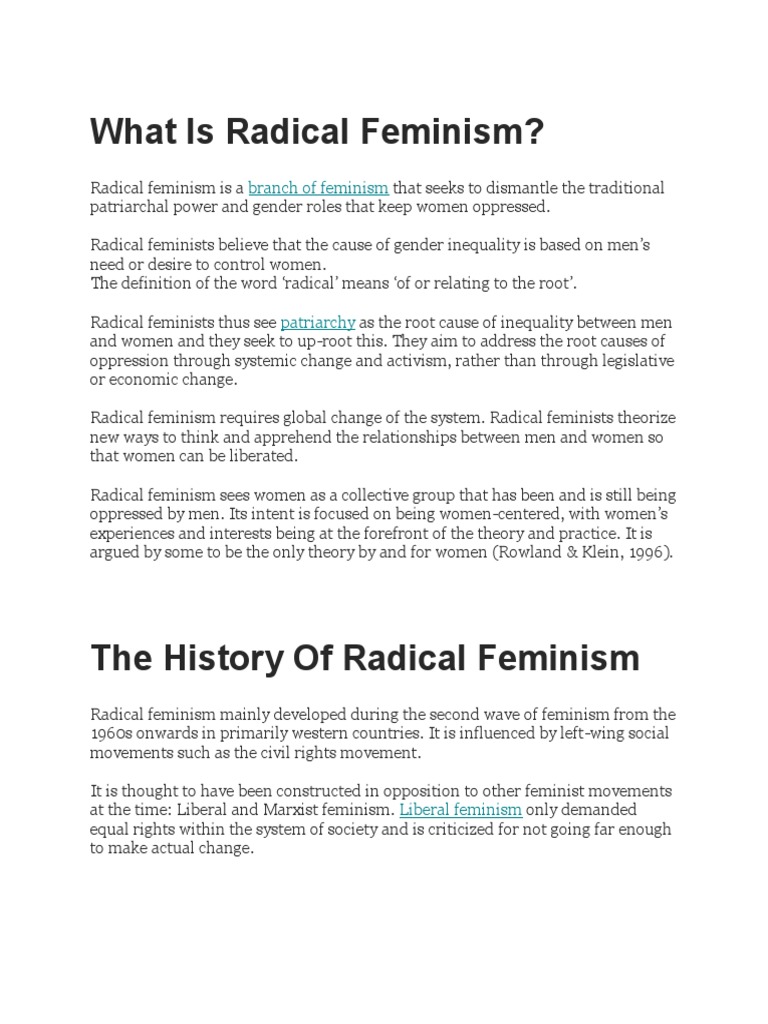
Liberal feminism, while offering some incremental improvements, ultimately fails to address the root causes of gender inequality. Its focus on individual rights and legal reforms is insufficient to dismantle the patriarchal structures that perpetuate women’s oppression. We need a more radical approach, one that challenges the fundamental assumptions of our society and seeks to transform the very foundations of power.
We must move beyond the limitations of liberal feminism and embrace a more intersectional and transformative vision. This requires a deep understanding of the ways in which gender intersects with other forms of oppression, such as race, class, and sexual orientation. It also requires a commitment to dismantling the systems of power that perpetuate these inequalities.
A. Embracing Intersectional Feminism: Intersectional feminism recognizes that women’s experiences are shaped by a complex interplay of factors. It challenges the idea that there is a universal “woman’s experience” and seeks to understand the diverse perspectives of women from different backgrounds. This approach is essential for creating a truly inclusive and equitable society.
B. Challenging Capitalism and Patriarchy: Capitalism and patriarchy are deeply intertwined systems of oppression. Capitalism relies on the exploitation of labor, particularly the unpaid labor of women, while patriarchy reinforces gender hierarchies that benefit men and disadvantage women. To achieve true gender equality, we must challenge both of these systems.
C. Building Solidarity and Collective Action: Individual action is important, but it is not enough. We need to build solidarity and engage in collective action to challenge the systems of power that oppress us. This requires working together across differences to create a movement that is inclusive, empowering, and transformative.
The allure of liberal feminism is understandable. It offers a seemingly easy path to equality, one that does not require challenging the fundamental structures of power. But this is a false promise. True gender equality requires a radical transformation of our society, a dismantling of patriarchal structures, and a commitment to building a more just and equitable world for all. Let us not be seduced by the siren song of liberal feminism. Let us instead embrace a more radical vision, one that is truly capable of liberating all women from the shackles of oppression. The time for incremental change is over. The time for revolution is now.







Leave a Comment