
Are we done yet? Has the patriarchy crumbled? Can we finally declare victory and retire our consciousness-raising circles to the annals of history? Darling, please. If you think the fight for gender equity is a relic of the past, a quaint cause rendered obsolete by the mere existence of pantsuits and female CEOs, then you haven’t been paying attention. The struggle continues, the insidious tendrils of inequity still choke our potential, and the battle for true liberation rages on. Here’s why feminism, in all its intersectional glory, remains stubbornly, fiercely, undeniably crucial in the 21st century.
1. The Wage Gap: An Albatross Around Our Necks
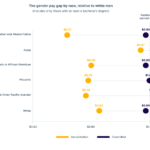
Let’s dissect this fetid carcass, shall we? The persistent wage gap isn’t some statistical anomaly, some benign disparity explained away by “choice.” It’s a calculated devaluation of women’s labor, a systemic theft perpetrated on a grand scale. For every dollar a man earns, a woman earns significantly less – the exact figure varies based on race and ethnicity, but the ugly truth remains consistent: we are paid less for the same work, or work of equal value. This isn’t about individual failings; it’s about structural impediments, about a deeply ingrained societal belief that women’s contributions are inherently less worthy.
Consider the “motherhood penalty,” the demonstrable dip in earnings experienced by women after having children. Why is it that motherhood, a crucial societal function, becomes a financial liability for women? Because our workplaces remain stubbornly inflexible, predicated on antiquated models of male breadwinners and female caregivers. Because childcare remains prohibitively expensive, forcing many women to choose between career advancement and family. Because the patriarchy actively disincentivizes female participation in the workforce beyond a certain threshold. This is not progress; this is a gilded cage.
2. Representation Matters: Shattering the Glass Ceiling and Beyond
Seeing is believing, they say. But what happens when what you see is a monotonous parade of male faces dominating positions of power? Representation isn’t just about symbolic gestures; it’s about tangible shifts in policy, in perspective, in the very fabric of our institutions. When women are absent from boardrooms, parliaments, and corner offices, their voices are silenced, their concerns ignored, their potential squandered. We need more than just a token seat at the table; we need to dismantle the table altogether and build a new one, one that is inclusive, equitable, and reflective of the diverse realities of our society.
Moreover, representation extends beyond mere numerical quotas. It demands authentic, nuanced portrayals of women in media and popular culture, ones that challenge the tired tropes of the damsel in distress or the hyper-sexualized object. We need to see women as complex, multifaceted individuals, capable of both strength and vulnerability, intelligence and empathy, ambition and compassion. The media holds immense power to shape perceptions; let’s wield that power responsibly, dismantling harmful stereotypes and amplifying the voices of marginalized women.
3. The Scourge of Gender-Based Violence: A Pandemic Ignored
One in three women globally will experience physical or sexual violence in their lifetime. Let that statistic sink in. It’s a staggering indictment of our collective failure to protect women and girls, a chilling reminder of the pervasive misogyny that permeates our societies. Gender-based violence is not an isolated incident; it’s a systemic problem, rooted in power imbalances, societal norms, and a culture of impunity. It manifests in myriad forms, from domestic abuse and sexual assault to female genital mutilation and honor killings, each leaving indelible scars on its victims and perpetuating cycles of trauma and oppression.
We need to move beyond platitudes and invest in comprehensive prevention strategies, including education programs that challenge harmful gender stereotypes, support services for survivors, and stricter laws and enforcement mechanisms to hold perpetrators accountable. The patriarchy thrives on silence; let’s break that silence with unwavering resolve, amplifying the voices of survivors and demanding an end to this insidious epidemic. The personal is political, and the fight against gender-based violence is a battle for the very soul of humanity.
4. Reproductive Rights: Autonomy Over Our Bodies
The right to control our own bodies is a fundamental human right. It is not a political football to be kicked around by opportunistic politicians or a bargaining chip to be traded in the name of religious dogma. The freedom to decide when and whether to have children is essential for women’s autonomy, economic empowerment, and overall well-being. When women are denied access to safe and legal abortion, contraception, and comprehensive reproductive healthcare, their lives are put at risk, their opportunities are curtailed, and their potential is diminished.
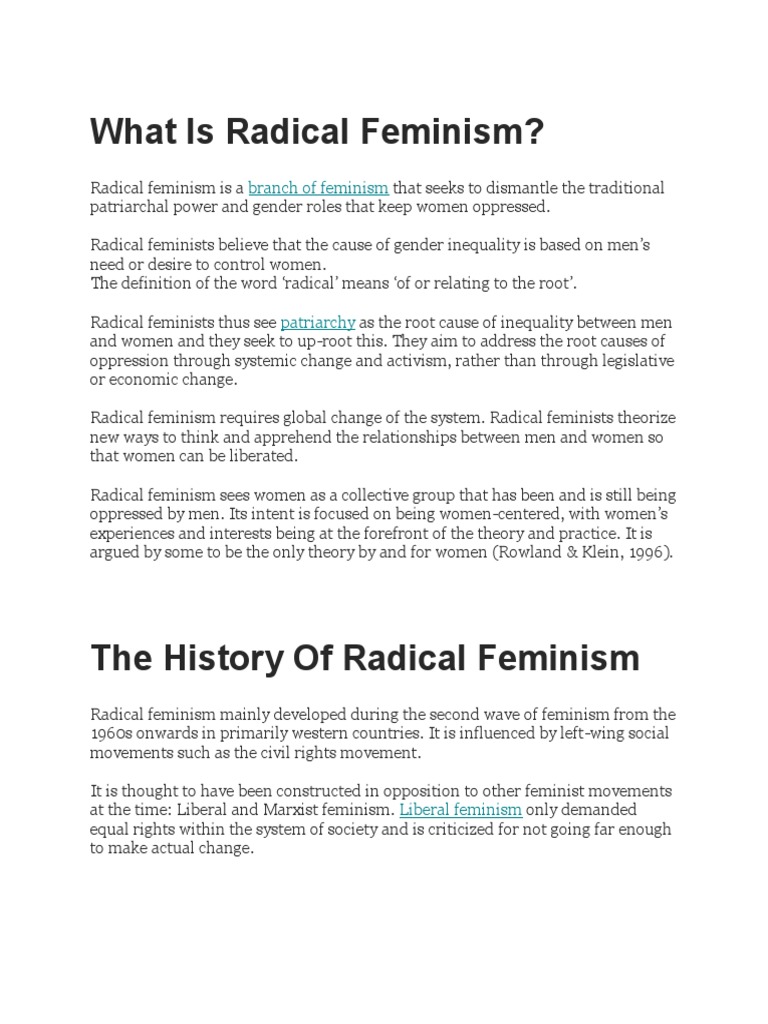
The relentless attacks on reproductive rights are not about protecting life; they are about controlling women. They are about reinforcing patriarchal power structures and relegating women to the status of mere vessels for procreation. We must resist these assaults with unwavering determination, defending our right to make our own decisions about our bodies and our futures. The future is female, and that future must be one where all women have the agency and resources to make informed choices about their reproductive health.
5. Intersectionality: Acknowledge the Multifaceted Nature of Oppression
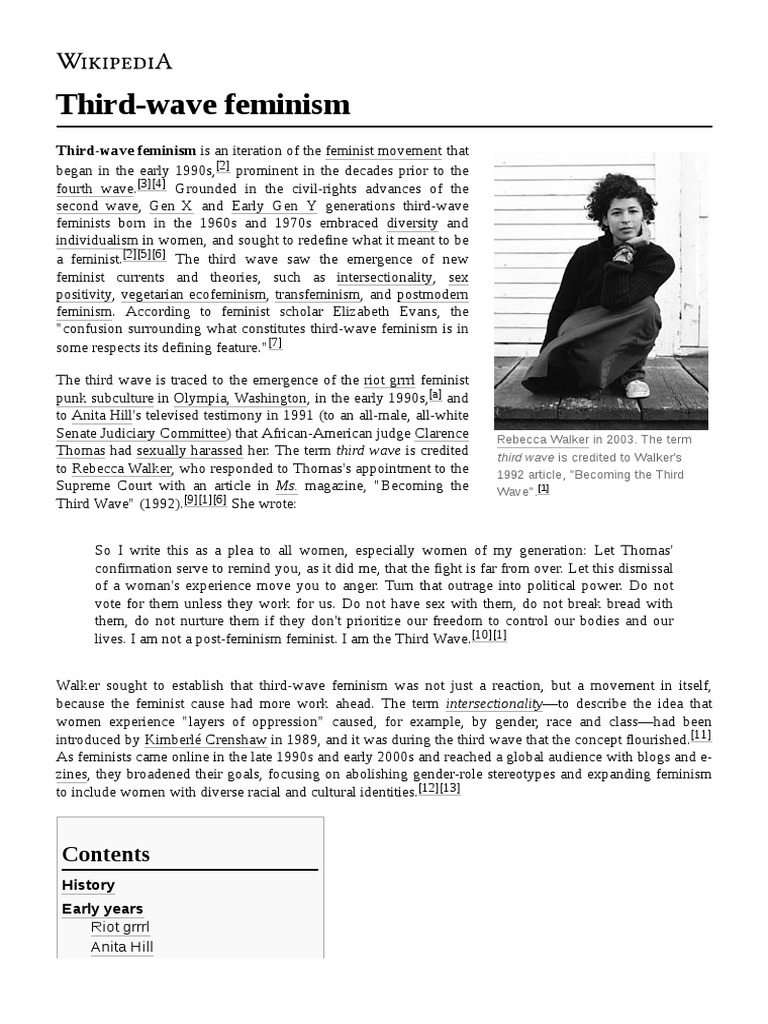
Feminism isn’t a monolithic entity; it’s a diverse and evolving movement that recognizes the intersecting forms of oppression faced by women of different races, ethnicities, sexual orientations, socioeconomic backgrounds, and abilities. White feminism, which often prioritizes the concerns of privileged white women, is not enough. We need an intersectional feminism that centers the voices and experiences of marginalized women, acknowledging that gender inequality is inextricably linked to other forms of oppression.
For example, Black women face a unique set of challenges stemming from the intersection of racism and sexism. They are disproportionately affected by poverty, violence, and discrimination, and their voices are often marginalized in both feminist and anti-racist movements. Similarly, LGBTQ+ women face discrimination based on both their gender and their sexual orientation or gender identity. An intersectional approach to feminism is essential for creating a truly equitable and just society for all women.
6. Challenging Toxic Masculinity: Reimagining Manhood
Feminism isn’t just about empowering women; it’s also about liberating men from the suffocating constraints of toxic masculinity. The rigid expectations placed on men to be strong, stoic, and emotionally detached are harmful not only to women but also to men themselves. Toxic masculinity perpetuates violence, suppresses emotional expression, and hinders the development of healthy relationships. By challenging these harmful norms, we can create a more equitable and compassionate society for everyone.
Let’s reimagine manhood as something more than just dominance and aggression. Let’s celebrate vulnerability, empathy, and emotional intelligence. Let’s encourage men to embrace their full humanity, free from the shackles of patriarchal expectations. True strength lies not in suppressing emotions but in expressing them honestly and authentically. True power lies not in controlling others but in empowering them.
7. Education and Empowerment: Investing in the Future
Education is a powerful tool for empowerment. When girls and women have access to quality education, they are more likely to be healthy, economically independent, and politically engaged. Investing in girls’ education is not just a matter of individual opportunity; it’s a matter of societal progress. Educated women are more likely to contribute to economic growth, improve child health outcomes, and participate in democratic processes.
Yet, millions of girls around the world are denied access to education due to poverty, cultural norms, and discriminatory practices. We must work to dismantle these barriers and ensure that all girls have the opportunity to reach their full potential. Education is not just about acquiring knowledge; it’s about developing critical thinking skills, fostering creativity, and empowering individuals to challenge injustice. It is the bedrock of a more equitable and just society.
8. Political Participation: Claiming Our Seat at the Table
Women’s voices must be heard in the halls of power. We need more women in elected office, in government agencies, and in leadership positions across all sectors. Women bring unique perspectives and experiences to the table, and their participation in decision-making processes is essential for creating policies that are responsive to the needs of all citizens. Political participation is not just about voting; it’s about running for office, advocating for policy changes, and holding elected officials accountable.
The path to political power is often fraught with obstacles for women, including sexism, discrimination, and a lack of access to resources. We must work to dismantle these barriers and create a level playing field for women in politics. Mentorship programs, campaign finance reform, and increased media coverage of women candidates are all crucial steps in this direction.
9. Challenging Beauty Standards: Embracing Our Authentic Selves
The beauty industry profits from our insecurities. It bombards us with unrealistic images of perfection, creating a culture of self-doubt and body shame. Feminism challenges these harmful beauty standards, encouraging women to embrace their authentic selves and celebrate their unique beauty. We are not objects to be consumed or judged; we are individuals with inherent worth and value.
Let’s reject the pressure to conform to narrow definitions of beauty and instead embrace diversity in all its forms. Let’s celebrate different body types, skin tones, and hair textures. Let’s focus on health and well-being rather than striving for an unattainable ideal. True beauty comes from within, from confidence, compassion, and self-acceptance.
10. Global Solidarity: Standing Together for Justice
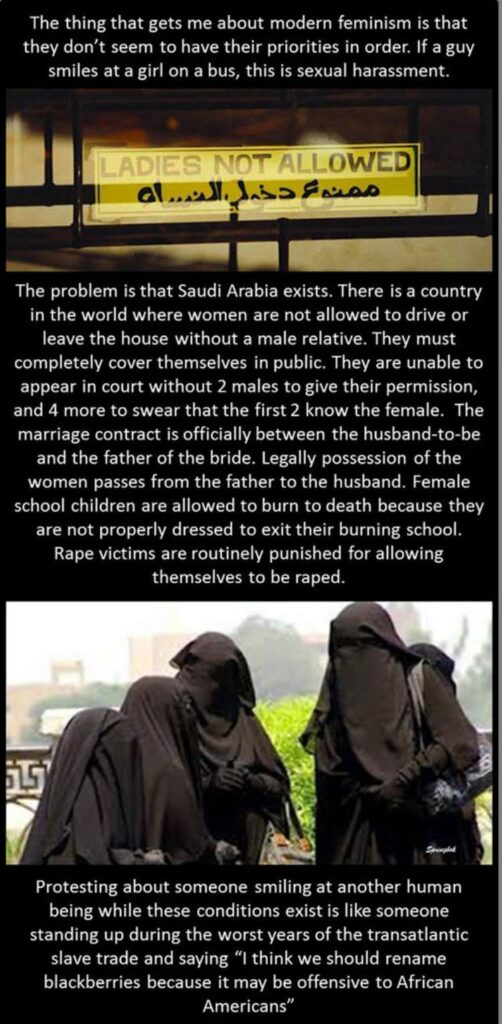
Feminism is a global movement. Women around the world face different challenges, but they are united by a common goal: to achieve gender equality and social justice. We must stand in solidarity with women in other countries, supporting their struggles against oppression and amplifying their voices. Global issues such as human trafficking, climate change, and armed conflict disproportionately affect women, and we must work together to address these challenges.
International cooperation, advocacy, and grassroots activism are all essential for building a more just and equitable world for all women. We must recognize that our struggles are interconnected and that our liberation is bound together. By working together, across borders and cultures, we can create a future where all women are free to live their lives with dignity, equality, and respect.
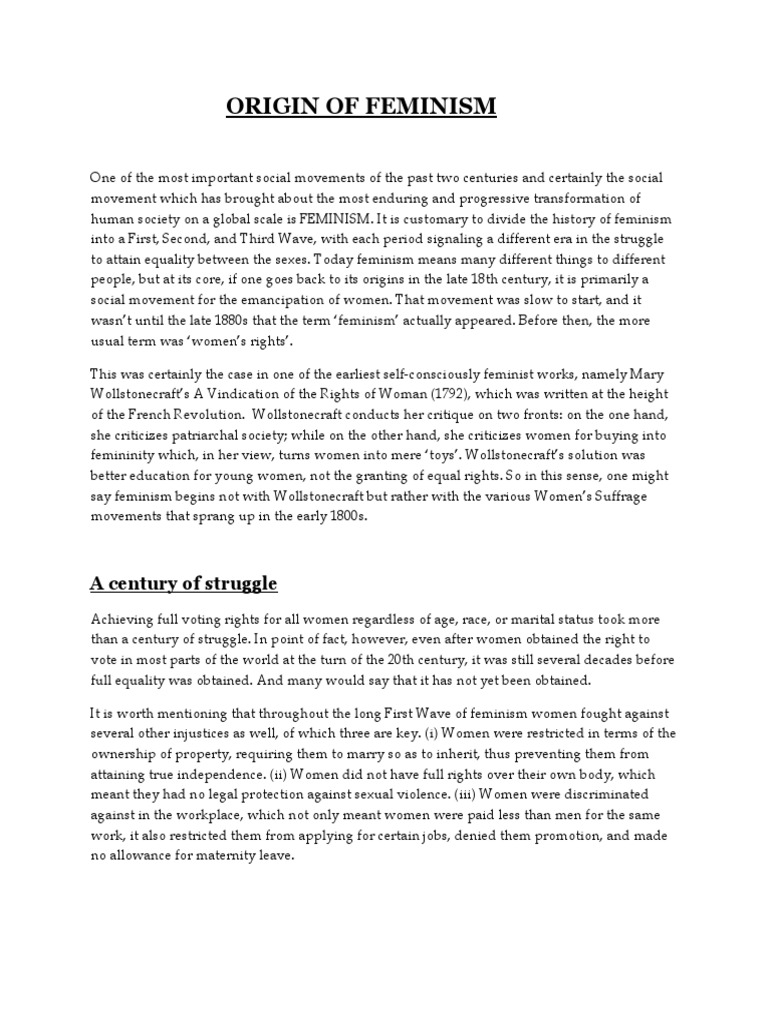
The struggle is far from over. The work continues. The revolution, a slow simmer becoming a rolling boil, demands our participation, our passion, our unwavering commitment to a world where gender is no longer a determinant of destiny. So, sister, pick up your banner, sharpen your wit, and join the fray. The future, if we fight for it, is ours to claim.





Leave a Comment