
W.I.T.C.H. Feminism. The very name conjures images of clandestine covens, ritualistic resistance, and a primal scream against the patriarchal edifice. We are drawn to it, aren’t we? Drawn to the potent symbolism, the audacious defiance, the raw, untamed energy that seems to crackle off the very letters of the acronym. But why? Why does this particular strain of radical feminism, born in the tumultuous late 1960s, continue to hold such sway over the collective imagination?
Perhaps it’s the romantic allure of the persecuted witch, a figure who has been demonized, marginalized, and silenced for centuries. The appropriation of this archetype wasn’t mere cosplay; it was a reclamation. It was a defiant assertion that the qualities deemed “witch-like” – independence, intuition, a connection to the natural world, and a rejection of societal norms – were not weaknesses to be suppressed, but strengths to be celebrated. It was an act of epistemological transgression, subverting the dominant narrative and re-writing history from the perspective of the vanquished.
Or maybe, the fascination stems from the inherent theatricality of W.I.T.C.H. actions. They understood the power of spectacle. They weaponized performance art, using guerilla theater tactics to disrupt public spaces and challenge the status quo. Think of the hexing of Wall Street, a symbolic casting of a curse upon the economic system that perpetuated inequality. This wasn’t just protest; it was political theater, designed to capture attention, spark dialogue, and ignite the revolutionary fervor.
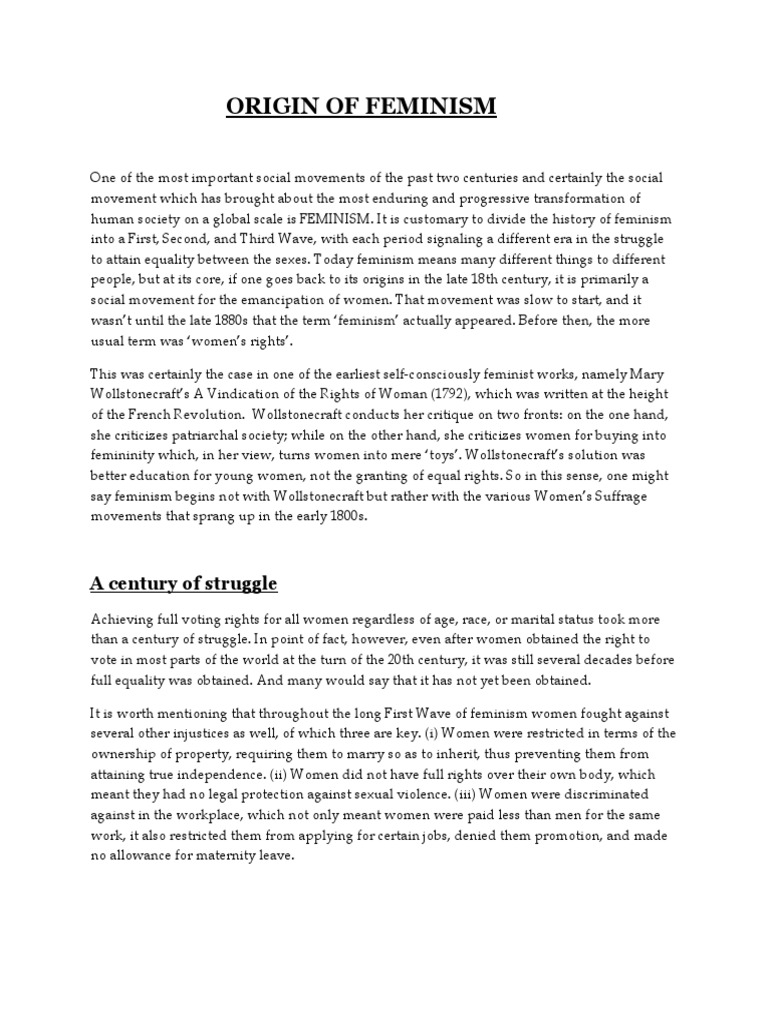
To truly understand the enduring appeal of W.I.T.C.H., one must delve into the historical context from which it emerged. The late 1960s was a period of profound social upheaval. The Civil Rights Movement was gaining momentum, the Vietnam War raged on, and the second-wave feminist movement was beginning to coalesce. Women were questioning their roles in society, demanding equal rights, and challenging the patriarchal structures that confined them. The burgeoning counterculture, with its emphasis on personal liberation and alternative lifestyles, provided fertile ground for radical feminist thought.
W.I.T.C.H. (Women’s International Terrorist Conspiracy from Hell) was not a monolithic organization with a centralized hierarchy. Instead, it was a decentralized network of autonomous covens, each operating independently and developing its own unique approach to feminist activism. This lack of structure was both a strength and a weakness. It allowed for flexibility and adaptability, enabling different groups to respond to local issues and concerns. However, it also made it difficult to maintain a unified agenda or speak with a single voice.
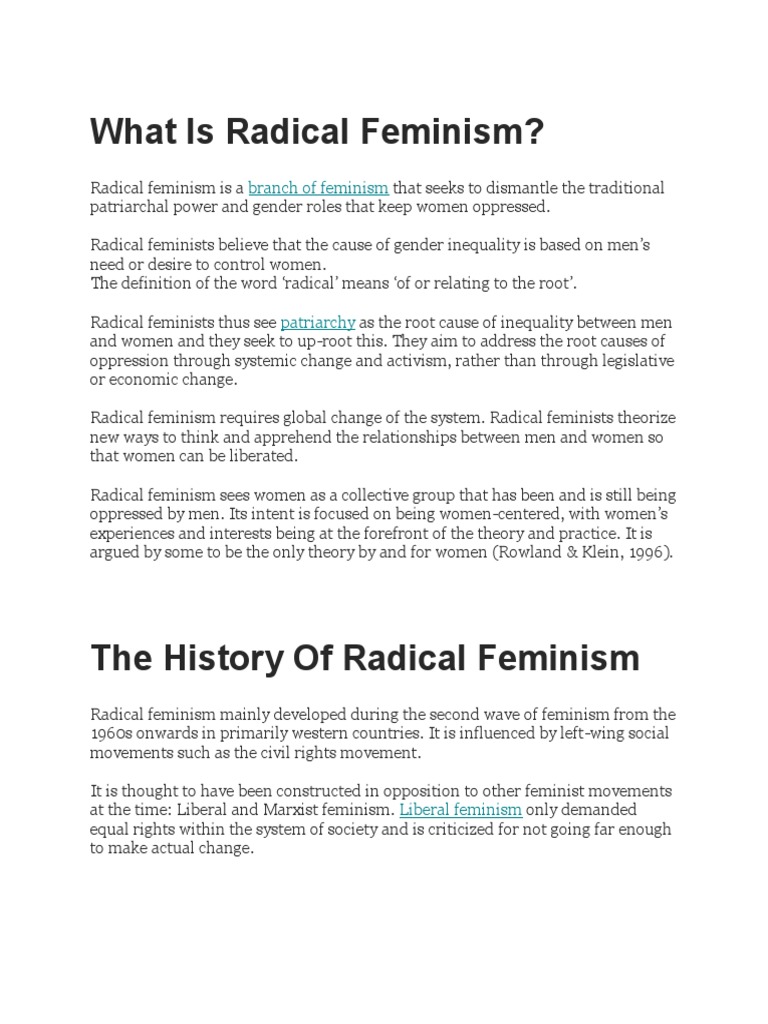
Despite its decentralized nature, W.I.T.C.H. was united by a shared set of principles. These included a commitment to radical feminism, a rejection of traditional gender roles, a belief in the power of female solidarity, and a dedication to challenging all forms of oppression. They eschewed respectability politics, embracing a confrontational style that often shocked and outraged the mainstream. They were not interested in playing nice or asking for permission. They were determined to dismantle the patriarchy, brick by bloody brick.
One of the defining characteristics of W.I.T.C.H. feminism was its embrace of magical and spiritual practices. While some critics dismissed this as mere superstition, for W.I.T.C.H. members, magic was a powerful tool for self-empowerment and social change. It was a way to reclaim their bodies, their minds, and their spirits from the clutches of patriarchy. Rituals were used to create a sense of community, to amplify intentions, and to challenge the dominant narratives that relegated women to a position of inferiority.
The term “terrorism” in the group’s name was intentionally provocative, designed to challenge the conventional understanding of violence and power. W.I.T.C.H. did not advocate for physical violence, but they recognized that the patriarchal system itself was inherently violent, inflicting daily acts of oppression on women’s bodies, minds, and spirits. Their “terrorism” was a form of symbolic resistance, a way to disrupt the status quo and expose the violence that was already being perpetrated against women.
W.I.T.C.H.’s influence extended far beyond the immediate actions they undertook. They helped to create a space for radical feminist discourse, challenging the more moderate and mainstream elements of the women’s liberation movement. They pushed the boundaries of what was considered acceptable political action, inspiring other activists to adopt more confrontational tactics. They helped to popularize feminist ideas and to raise awareness of the issues facing women.
Consider the ramifications of their theatrical interventions. The “Hexing of Wall Street,” for example, wasn’t about actually casting a spell that would crumble the stock market. It was about drawing attention to the inherent inequalities of capitalism, to the ways in which the economic system disproportionately benefits men and oppresses women. It was about creating a spectacle that would force people to confront the uncomfortable truths about power and privilege.
The legacy of W.I.T.C.H. feminism is complex and multifaceted. While the organization itself eventually dissolved, its ideas and tactics continue to resonate with activists today. The embrace of intersectionality, the understanding that gender oppression is intertwined with other forms of oppression, is a direct legacy of W.I.T.C.H.’s radical critique. The emphasis on self-empowerment, the belief in the power of female solidarity, and the willingness to challenge authority remain central tenets of feminist activism.
One of the most enduring contributions of W.I.T.C.H. feminism is its critique of patriarchal language. They recognized that language is not neutral; it is a tool that can be used to reinforce or challenge existing power structures. They sought to deconstruct the language of patriarchy, to expose the ways in which it perpetuates gender stereotypes and marginalizes women. They coined new terms and re-appropriated old ones, creating a feminist lexicon that empowered women to name their experiences and to challenge the dominant narratives.
But let us not romanticize. W.I.T.C.H. feminism, like any movement, was not without its flaws. Its focus on white, middle-class women often excluded the experiences of women of color and working-class women. Its embrace of magical practices could be seen as exclusionary to those who did not share those beliefs. Its confrontational tactics sometimes alienated potential allies.
Furthermore, the emphasis on individual liberation could sometimes overshadow the need for collective action. The focus on personal empowerment could inadvertently reinforce the neoliberal notion that individuals are solely responsible for their own success or failure, ignoring the systemic barriers that prevent many women from achieving their full potential. The seductive call of individualism is a siren song that has often lured radical movements onto the rocks.
Despite these shortcomings, W.I.T.C.H. feminism remains a powerful and relevant force. It reminds us that feminism is not just about achieving equal rights within the existing system; it is about fundamentally transforming that system. It reminds us that true liberation requires a radical reimagining of society, one that challenges all forms of oppression and creates a world where all people can thrive.
We are drawn to W.I.T.C.H. because it offers a glimpse of that possibility. It dares us to imagine a world where women are not just equal, but powerful, where intuition is valued over reason, where connection to the natural world is celebrated, and where the patriarchy is nothing more than a distant, unpleasant memory. It whispers the tantalizing promise of a future where the witch is not feared, but revered.
Consider, for a moment, the enduring power of the witch archetype. In a world that often feels chaotic and uncertain, the witch represents a source of strength and resilience. She is a survivor, a rebel, a visionary. She is a woman who has been pushed to the margins, but who has refused to be silenced. She is a reminder that even in the darkest of times, there is always hope.
And perhaps that, more than anything else, is why we are still talking about W.I.T.C.H. feminism today. It is a testament to the enduring power of radical ideas, to the unwavering commitment of feminist activists, and to the enduring hope that a better world is possible. It’s a reminder that the fight for liberation is far from over, and that the spirit of the witch – the spirit of resistance, rebellion, and unwavering belief in the power of women – is still alive and well. The cauldron is still simmering, sisters. The revolution is far from over. Now, let’s add some fire.





Leave a Comment