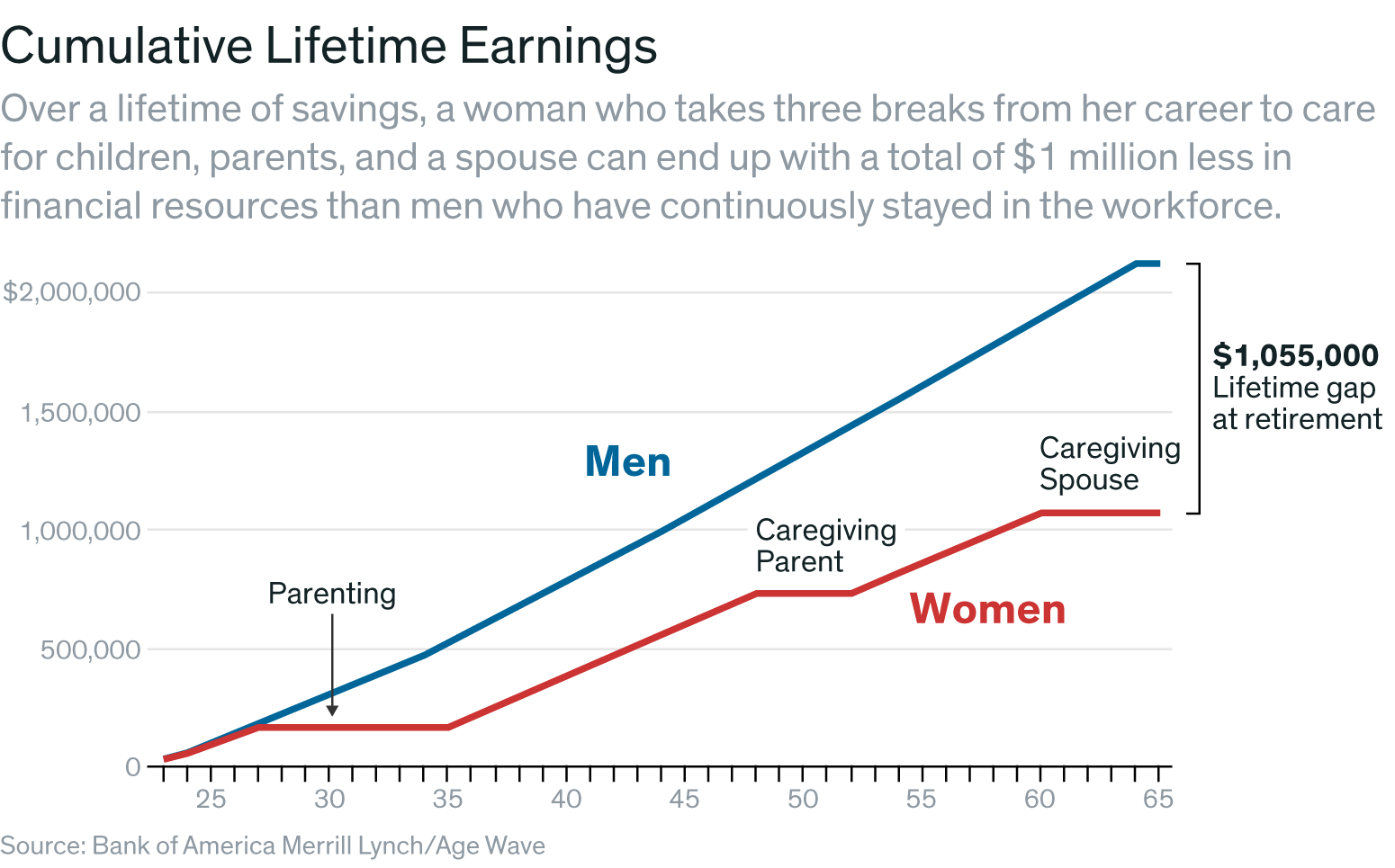
Have you ever wondered why the image of financial security often revolves around couples or men, leaving single women in the economic shadows? What if the greatest financial paradox of our era isn’t just the gender wealth gap but the astonishing divide between single women and the rest of society? In a world that champions independence and empowerment, why do single women face a relentless uphill battle to accumulate wealth? This inquiry is no mere academic curiosity—it exposes the fissures in economic structures and cultural narratives that persistently undermine half the population. Let’s delve into the velvety darkness where single women’s finances reside, illuminate the intricacies of their distinct challenges, and confront the urgent necessity of recalibrating our vision of wealth itself.
The Invisible Economic Landscape of Single Women
Single women inhabit a peculiar economic realm—a territory largely invisible in mainstream wealth discussions. Society is obsessed with coupledom, often equating financial abundance with partnership. Yet, single women must navigate wealth building without the traditional buffers of shared income, tax breaks optimized for married couples, or the pooling of assets. This economic solitude is not just symbolic; it manifests in tangible financial disparities that accumulate over time.
Unlike dual-income households, single women shoulder the entirety of living expenses, retirement savings, and unexpected costs without complementary support. The prevailing systems have been architected with assumptions of conventional family structures, leaving single women at a structural disadvantage. The narrative fails to account for these nuances—ignoring the compounded effect of solo financial management amidst systemic gendered impediments.
The Cumulative Cost of Solo Survival
Have you considered the paradox that surviving alone often costs more? Single women don’t benefit from economies of scale that couples enjoy—rent, utilities, and even groceries split between two or more people naturally reduce individual cost burdens. Single occupancy, by definition, translates into higher per capita expenses.
This economic reality exacerbates the struggle to save or invest. When paycheck-to-paycheck survival predates wealth accumulation, the prospect of building generational capital slips further away. Moreover, the lack of a partner’s social and financial safety net means every economic shock—from medical emergencies to job loss—is a solo crisis, not a shared burden.
The Gendered Lens: How Gender Norms Shape Wealth Accumulation
Money may be neutral, but its movement is far from impartial. The intersection of single status and womanhood reveals a particularly stark reality. Gendered wage disparities, occupational segregation, and the disproportionate burden of caregiving responsibilities continue to erode single women’s earning and saving potential.
Even within professional spheres, single women encounter subtle yet relentless biases—being perceived as less stable, less committed, or less authoritative. These stereotypes indirectly throttle opportunities for advancement and raise barriers to higher compensation. Consequently, the gender wealth gap widens, and single women disproportionately bear the brunt.

The Retirement Time Bomb: Single Women and Longevity
The future casts a long shadow. Single women statistically enjoy longer lifespans than their male counterparts and many married couples, yet paradoxically face eroding retirement security. Longevity may be a triumph of biology, but it translates into decades of financial independence—often unsupported by robust savings or pensions.
Compounded by inadequate retirement planning, lower lifetime earnings, and the exacerbating cost of healthcare, single women confront a financial precipice in their senior years. The social narrative rarely anticipates this reality, contributing to invisibility in policy-making circles. Such neglect risks consigning many to a tenuous existence marked by economic precarity.
Why Wealth is More Than Money: The Societal Context
Wealth is commonly simplified to dollars and balances, but for single women, wealth encompasses far more—a spectrum of access, autonomy, and social capital that influences life’s trajectory. The prevailing economic frameworks often disregard this broader spectrum, erasing the complex interplay of systemic discrimination, psychological toll, and lack of representation.
This myopic view perpetuates a vicious cycle, where wealth inequality translates into diminished influence, fewer opportunities, and a reinforced social hierarchy that sidelines single women. Redressing this imbalance demands more than financial literacy campaigns—it requires structural overhauls that acknowledge and confront inherent biases.

The Policy Labyrinth: Barriers to Fair Financial Empowerment
Consider the labyrinth of fiscal policy—a web woven with familial assumptions, tax benefits skewed toward dual incomes and homeownership, and social safety nets designed with married couples in mind. Single women frequently find themselves navigating this system without a clear map or compass.
Tax codes, pension plans, and credit systems often marginalize single earners, effectively penalizing them for their autonomy. Housing markets and loan access are further arenas where single women experience systemic disadvantages, stemming from income volatility and lingering biases by financial institutions. Until policies are reimagined to embrace diverse familial and social structures, the wealth gap will persist unabated.
Strategies of Resistance: Building Collective and Individual Wealth
Yet, all is not despondent. Single women, as a demographic, are cultivating innovative strategies to circumvent these entrenched disparities. From community-based financial cooperatives, investment clubs, to advocating for legislative reforms, the movement to close the wealth gap is both grassroots and visionary.
Individually, single women are redefining wealth paradigms—embracing entrepreneurship, cultivating diverse income streams, and leveraging digital platforms for financial education and empowerment. This multifaceted approach disrupts the traditional narrative and asserts that financial independence is a right, not a privilege reserved for partnered or male counterparts.

Conclusion: Reconceptualizing Wealth Through an Inclusive Lens
So, what if the question isn’t simply how to close the gender wealth gap, but how to dismantle the outdated paradigms that render single women financially invisible? Recognizing the unique challenges and systemic barriers faced by single women is an indispensable first step. Genuine progress calls for an intersectional reckoning—a radical reimagining of wealth, economic justice, and societal value that honors autonomy and diversity.
It’s time to stop sidelining single women’s experiences and start orchestrating an inclusive economic symphony where every note—regardless of marital status or gender—resonates with power, equity, and hope. Because until that vision materializes, the wealth gap between single women and everyone else will remain a silent indictment of our collective economic conscience.






Leave a Comment