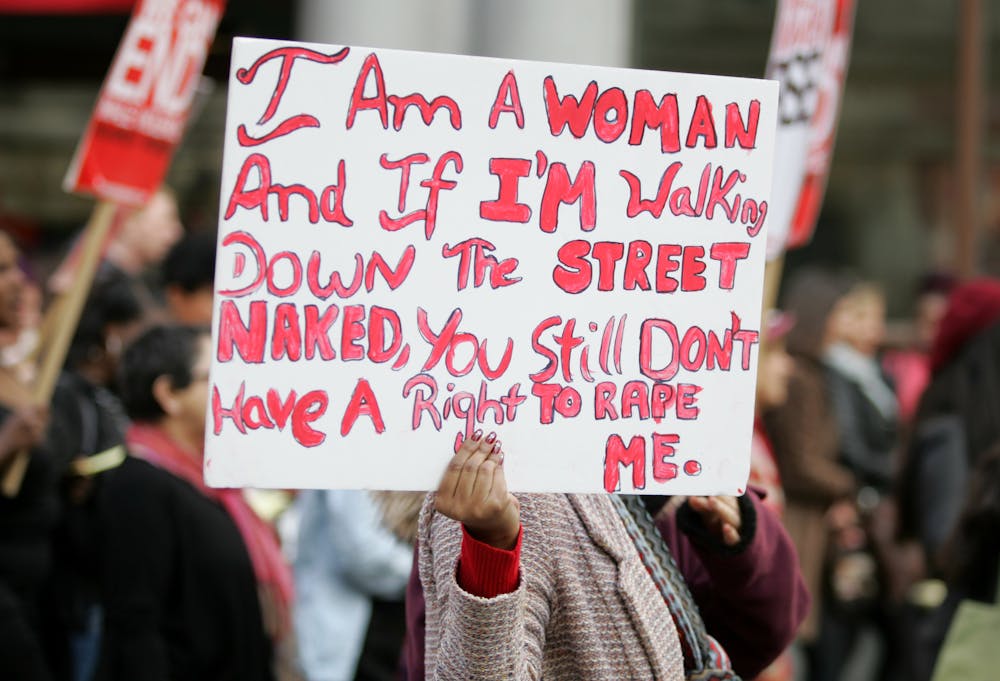
In a world drenched with an incessant barrage of “problem area” products promising drastic transformations, it’s easy to get ensnared in a relentless cycle of consumption—throwing money into the bottomless pit of fleeting hope and glossy marketing. But what happens when one dares to diverge, to discard the allure of these products? The revelation can be as radical as it is liberating: reclaiming autonomy over one’s body, finances, and sanity. This is the story of a woman who unequivocally stopped buying problem area products—and astonishingly saved $5,000 a year. Her journey is not just a financial triumph; it is a feminist manifesto against commodified body dissatisfaction and the insidious economy built upon unattainable beauty standards.
Deconstructing the “Problem Area” Paradigm
Before diving into the numerical triumphs, it’s imperative to understand the conceptual underpinnings of the “problem area” market. These products target insecurities—cellulite, stretch marks, love handles, and other so-called flaws—constructing an endless narrative that problematizes natural bodies. This paradigm thrives on manufactured inadequacy, compelling millions to pour money, time, and hope into ephemeral solutions. By refusing to engage with this narrative, one effectively dismantles a system predicated on profit from self-doubt and societal pressure. This shift is nothing less than a radical form of self-love and an audacious rejection of capitalism’s invasion into personal identity.
Analyzing the Financial Liberation
It might seem almost mundane to talk about saving $5,000 annually when the real victory is philosophical. But numbers do not lie, and they offer a tangible measure of resistance. The cumulative cost of creams, serums, gadgets, fitness supplements, and treatments marketed for “problem areas” can be staggering. A meticulous break-down reveals how recurring purchases, often justified by the “investment in self-care” trope, spiral into a multisyllabic cycle of dependency. By excising these expenses, the immediate effect is a healthier bank balance, but the secondary effect is more profound: the reclamation of rational expenditure and empowerment of conscious consumerism.
Exploring Psychological Reclamation
Behind every cosmetic purchase is a narrative of vulnerability—the insidious whisper that something about the self requires fixing. Choosing to stop buying these products is also a psychological revolt, a refusal to buy into a culture that equates self-worth with commodified perfection. The mental space freed from obsessive scrutiny and unrealistic expectations fosters healing. This act creates fertile ground for affirmations rooted in genuine self-acceptance, not marketed illusions. Liberation from this cycle nurtures resilience, fuels body neutrality, and cultivates a mental sanctuary free from the tyranny of aesthetics.
Redefining Self-Care Beyond Consumerism
The feminist ethos embedded in this transformation recognizes that self-care extends far beyond elaborate product lines or Instagram-regurgitated beauty rituals. True self-care is about honoring bodily autonomy, listening to innate cues, and crafting narratives that celebrate functionality over form. It challenges the capitalistic co-opting of wellness and beauty as markets to exploit rather than rights to assert. By redirecting energy and resources toward nourishing nutrition, mindful movement, restful sleep, and mental health, self-care transcends the superficial and becomes an act of radical kindness towards oneself.
Creating a Sustainable Lifestyle Shift
Stopping the purchase of “problem area” products is not a one-off event but a sustained lifestyle pivot that reverberates through personal choices and societal consciousness. Financially, the $5,000 saved can fuel meaningful investments—education, creative pursuits, travel, or supporting grassroots feminist initiatives. Environmentally, it slashes the insatiable demand for plastic packaging, toxic chemicals, and unsustainable manufacturing. Socially, it impels conversations that destigmatize natural bodies and dismantle oppressive beauty standards at their core. This holistic approach to sustainability knits together economic prudence, environmental stewardship, and social justice.
Embracing Community and Shared Wisdom
Resistance is rarely solitary. Part of this transformation involves tapping into communities that exchange honest narratives and dismantle propaganda around “problem areas.” Online forums, feminist collectives, and body-positive platforms provide grounded perspectives that challenge mainstream messaging. Sharing experiences of liberation amplifies impact, forging solidarity that transcends geography and demographics. Such spaces nurture collective healing and encourage activism that elevates diverse body representations beyond reductive problem-centric marketing.
The Visual Metaphor: A Canvas of Liberation
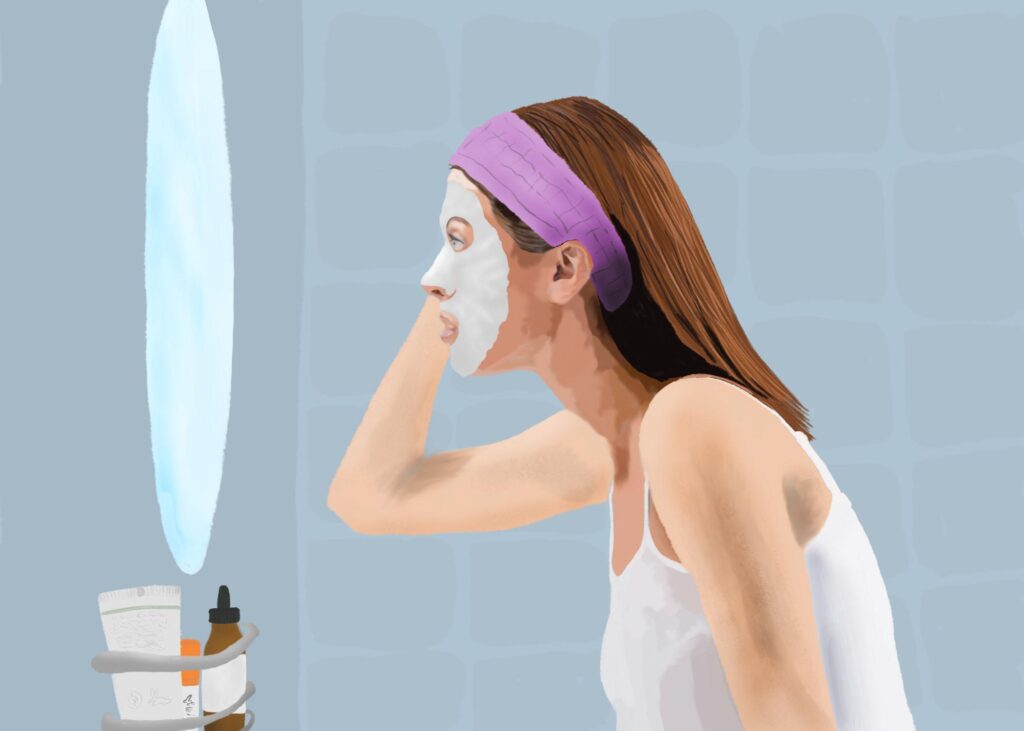
The image of a woman deliberately discarding an array of cosmetic containers poignantly captures this act of defiance. Each product tossed away is a symbolic severing from manufactured insecurities; it is a reassertion of agency. This visual metaphor resonates beyond the personal, illustrating a collective urge to rewrite the narrative surrounding bodies and self-esteem.
Navigating the Road Ahead: Challenges and Triumphs
Embarking on this journey is not devoid of challenges. Societal pressures and ubiquitous marketing remain omnipresent, often designed to trigger relapse into old habits. Navigating family expectations, peer influences, and internalized beauty myths requires steadfast commitment and self-compassion. Yet, each challenge surmounted becomes a jewel in the crown of empowerment, transforming vulnerabilities into strengths. Triumphs accumulate—each unpurchased product an emblem of autonomy reclaimed, each dollar saved a testament to resistance paid forward.
Conclusion: A Radical Act of Defiance and Self-Care
The decision to stop buying “problem area” products is a multivalent act—financially empowering, psychologically healing, environmentally conscious, and socially revolutionary. By rejecting commodified insecurities, one not only saves an impressive sum of $5,000 a year but lays claim to an identity free from the shackles of manufactured inadequacy. This journey exemplifies how everyday choices weave the fabric of feminist resistance and radical self-care. In a world eager to monetize dissatisfaction, choosing liberation is the ultimate reclamation of power.








Leave a Comment