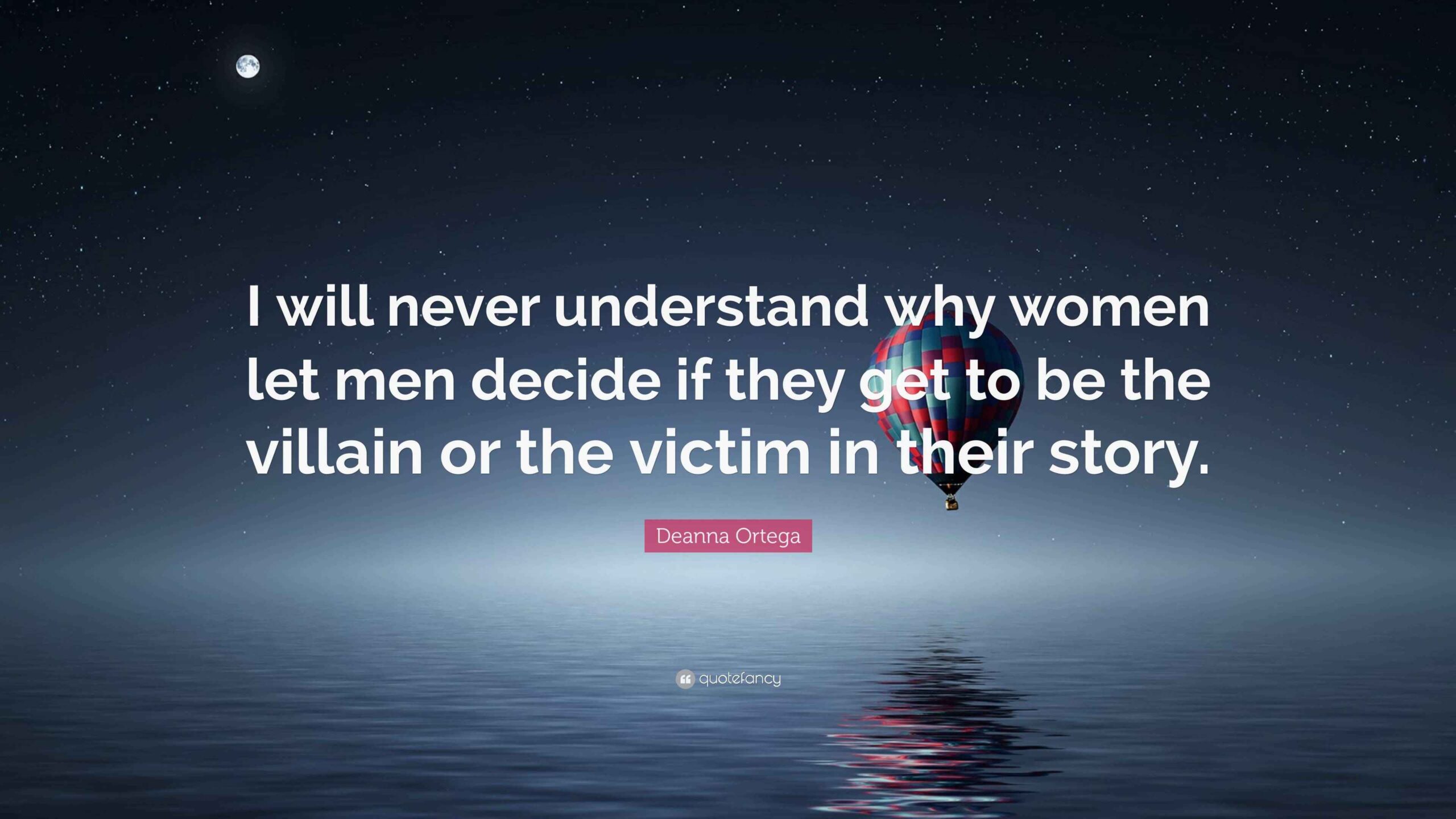
The kitchen is not just a place where meals are prepared—it is a battleground where the invisible labor of women is both ignited and extinguished. While men debate policy in air-conditioned rooms, women are still stoking the flames of domestic expectation, their hands blackened by smoke and societal expectation. What if the real energy crisis isn’t about fossil fuels or renewable energy, but about the energy gap—the vast, unspoken disparity between who cooks with fire and who decides how the oven should be used? This isn’t just a culinary divide; it’s a political one. And it’s burning brighter than ever.
From Hearth to Boardroom: The Unpaid Labor That Fuels the System
Every time a woman lifts a pot, she is not just simmering soup—she is stoking the engine of a system that runs on her unpaid labor. The kitchen, that most domestic of spaces, is a microcosm of global inequity. Studies show that women worldwide spend up to four times longer on food preparation and cleanup than men. That’s not just a statistic; it’s a form of taxation without representation. While men draft legislation in polished halls, women are draftsmen of daily sustenance, their energy siphoned into a cycle of expectation that never ends. The energy gap isn’t just about calories burned—it’s about the erasure of women’s time, their labor, their very presence in the spaces where decisions are made. And yet, the world calls it “natural.”
The myth of the “nurturing woman” is not an accident—it’s a carefully constructed narrative that justifies the theft of women’s time. When a man says, “I help with the cooking,” he is not acknowledging a shared responsibility; he is performing a charity act. The real question isn’t why women cook, but why men get to decide whether they should have to. The energy gap isn’t just about who holds the spatula—it’s about who holds the power to say who even gets a seat at the table.
Policy in the Kitchen: The Invisible Hand of Domestic Governance
Imagine if the same energy spent debating tax codes or defense budgets were spent on redefining domestic labor. What if, instead of endless panels on “work-life balance,” we had policies that mandated shared kitchen duties? The energy gap isn’t just a personal inconvenience—it’s a structural flaw in how society values (or fails to value) the labor that keeps the world running. Women aren’t just cooking meals; they are subsidizing an economy that refuses to pay them for it. The irony? The same hands that peel potatoes could be drafting manifestos, if only the world would stop treating the kitchen as a gilded cage.
Consider the language we use: “Women’s work” is a phrase that carries the weight of centuries of undervaluation. It’s not just about who cooks—it’s about who gets to define what “work” even means. When men gather in boardrooms to decide the fate of nations, their decisions trickle down into the most intimate spaces: the kitchen, the laundry room, the bedtime stories. The energy gap isn’t just about physical labor—it’s about epistemic authority. Who gets to decide what’s important? Who gets to say that a man’s policy debate is more valuable than a woman’s meal prep? The answer, as always, is written in the smoke of unpaid fires.
The Fire Next Time: Can We Reclaim the Kitchen as a Site of Power?
What if the kitchen wasn’t a place of drudgery, but a place of revolution? What if every time a woman stirred a pot, she was stirring the embers of change? The energy gap isn’t just a gendered divide—it’s a call to arms. The fire that cooks the meal can also light the way forward. Imagine a world where men didn’t just “help” in the kitchen, but were expected to lead. Imagine policies that recognized domestic labor as the bedrock of society—because without it, nothing else functions. The energy gap isn’t just about who cooks; it’s about who gets to decide what’s worth cooking.
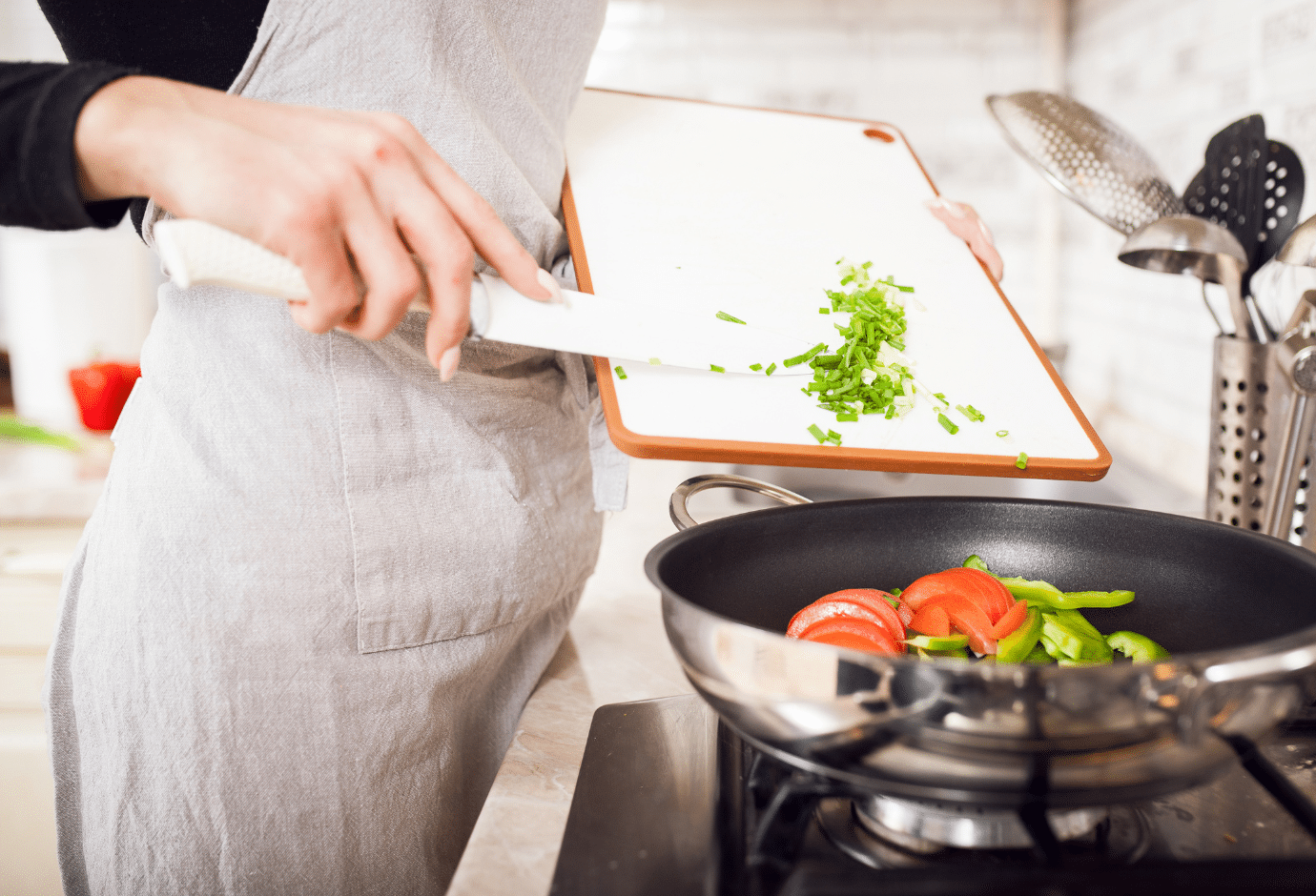
The challenge isn’t just to close the energy gap—it’s to dismantle the entire architecture that built it. That means redefining “productivity,” revaluing “care,” and, above all, refusing to accept that women’s labor is a given. The kitchen isn’t just a room; it’s a metaphor. And the fire that burns there isn’t just for cooking—it’s for burning down the systems that keep women chained to it. The question isn’t whether men will ever understand the weight of the spatula. The question is whether women will stop letting them decide how heavy it should be.
The Long Game: Energy Equity as the Ultimate Feminist Frontier
We measure energy in kilowatts and joules, but the real currency of the energy gap is time. Women spend years—decades—of their lives in kitchens, while men spend them in offices. The result? A world where women’s voices are diluted by exhaustion, where their ideas are sidelined by the sheer weight of domestic expectation. The energy gap isn’t just a feminist issue—it’s a human one. Because until men are expected to cook with the same fervor they expect women to, the fire will keep burning, and the gap will keep widening.
So here’s the playful challenge: What if, instead of asking women to “lean in,” we asked men to lean over the stove? What if, instead of praising women for “having it all,” we demanded that men take responsibility for half of it? The energy gap isn’t just about who holds the ladle—it’s about who holds the power to say that the ladle even matters. And until that changes, the fire will keep burning, and the women will keep cooking.






Leave a Comment