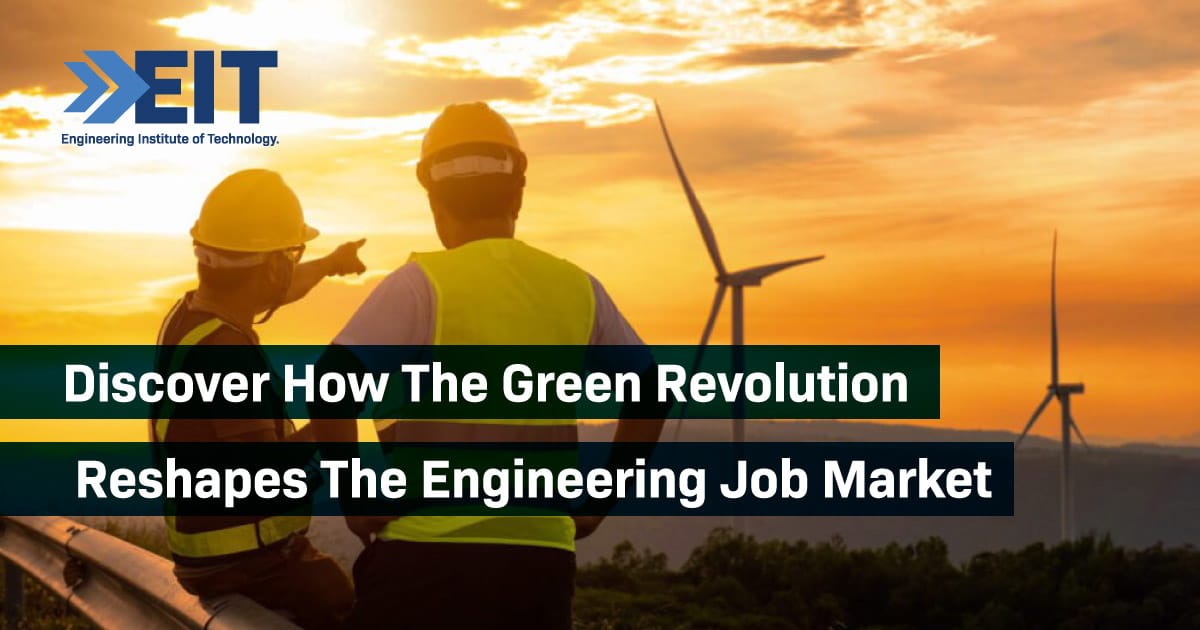
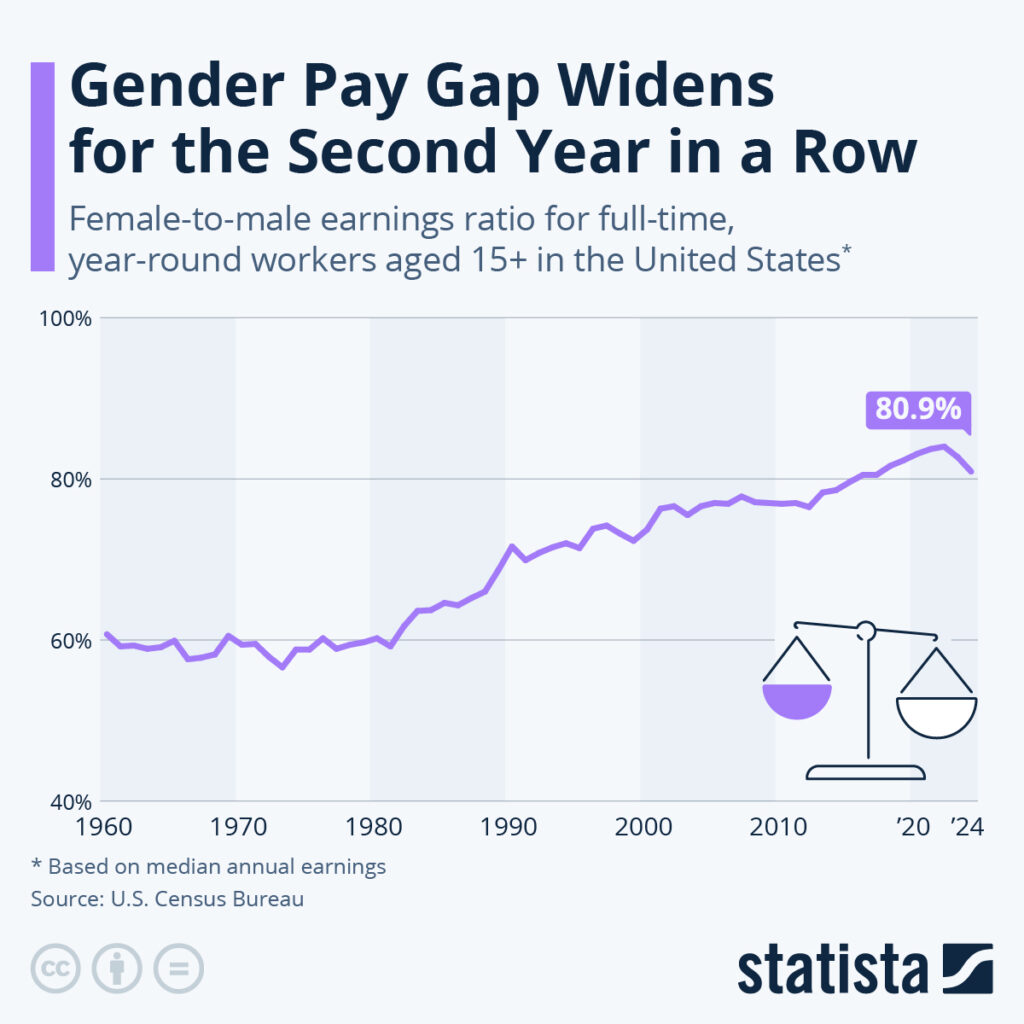
There’s a quiet, systemic theft happening in the renewable energy sector—one that doesn’t make headlines but reshapes lives. It’s the quiet exclusion of women from the very jobs that promise to power the future. While solar panels gleam under the sun and wind turbines carve the sky, the hands assembling them, designing them, and profiting from them remain overwhelmingly male. The numbers don’t lie: women hold fewer than 32% of renewable energy jobs globally, a statistic that stubbornly persists despite decades of progress in other industries. But why? The answer isn’t just about pipelines or qualifications. It’s about power—who holds it, who wields it, and who gets to decide who belongs in the room where the future is built.
The Illusion of Meritocracy in a Male-Dominated Grid
Renewable energy is often heralded as the great equalizer, a sector where innovation trumps tradition, where the future is forged by those who dare to dream beyond fossil fuels. Yet beneath the glossy PR of sustainability reports and gender diversity pledges, the machinery of recruitment remains stubbornly archaic. Studies show that women with identical qualifications to their male counterparts are less likely to be called for interviews, and when they do land roles, they’re funneled into administrative or support positions rather than leadership or technical fields. The myth of meritocracy crumbles under scrutiny—because merit isn’t measured in isolation. It’s shaped by who gets the benefit of the doubt, who is assumed competent before they even speak, and who is given the space to fail and try again.
The renewable energy sector, for all its progressive rhetoric, operates on a deeply entrenched network of referrals and old-boy connections. A man in a hard hat is more likely to recommend another man for a job site; a male engineer is more likely to vouch for a male protégé. Women, meanwhile, are often sidelined into roles that are deemed “safer”—community outreach, policy writing, or HR—while the high-visibility, high-impact jobs in engineering, project management, and executive leadership remain male bastions. This isn’t accidental. It’s the quiet enforcement of a status quo that benefits those already at the top.
The Double Bind of the “Green Collar” Workplace
Renewable energy jobs are often romanticized as noble, earth-saving labor—work that transcends the greed of the fossil fuel industry. But the reality is far grittier. The sector is plagued by precarious contracts, underpayment, and a culture that glorifies overwork. Women entering these fields quickly learn that the same traits celebrated in men—assertiveness, ambition, a refusal to back down—are often labeled as “difficult” or “uncooperative” when displayed by women. The double bind is vicious: be too soft, and you’re invisible; be too assertive, and you’re ostracized. The result? Women either burn out trying to conform to a male-defined ideal of success or quietly exit the industry altogether.
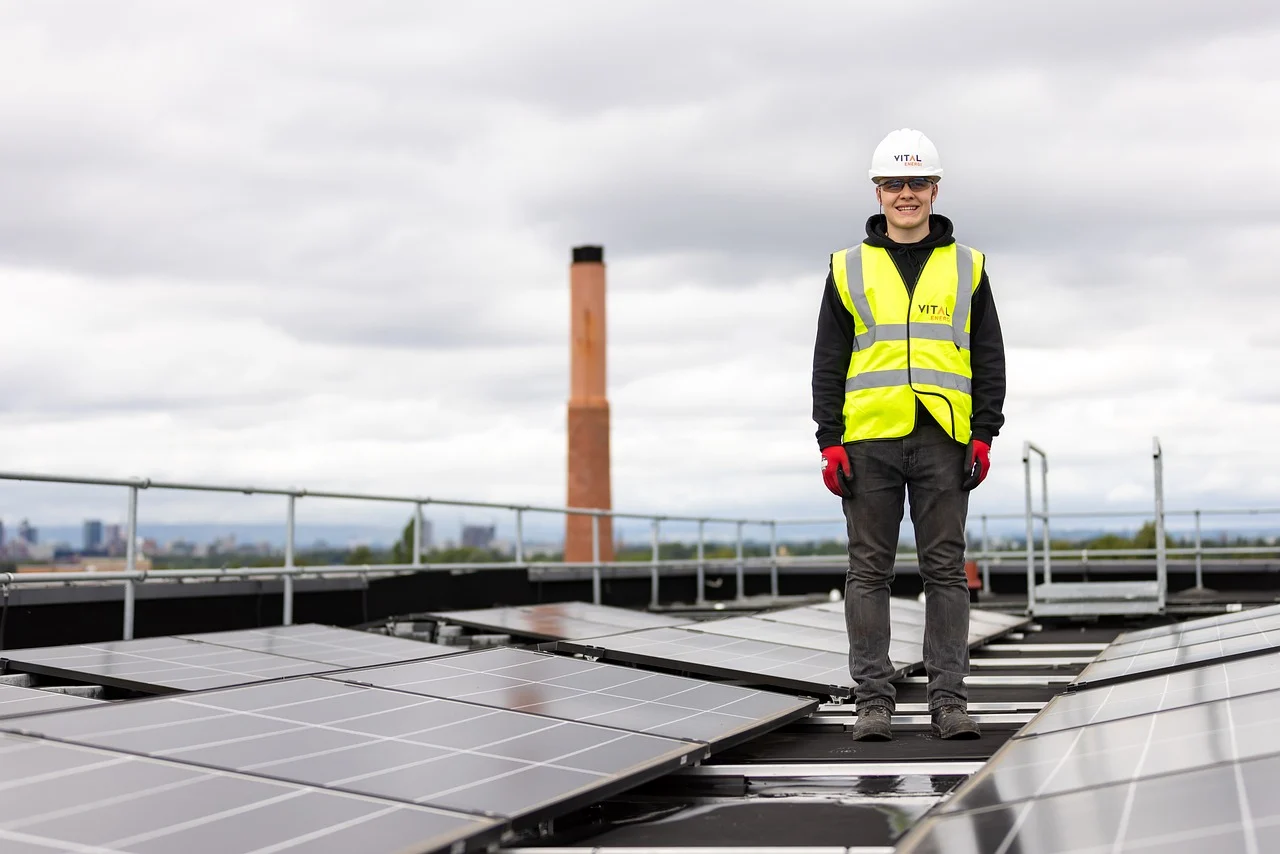
Consider the wind turbine technician, a job that requires physical strength, technical skill, and the ability to work in extreme conditions. Women who pursue this path often face skepticism from colleagues who assume they lack the stamina or the aptitude. When they prove themselves capable, they’re met with backhanded praise—“You’re like one of the guys”—a phrase that simultaneously elevates and diminishes. The message is clear: to be accepted, women must first erase the parts of themselves that don’t fit the mold. And even then, acceptance is never guaranteed.
The Pipeline Problem: Where Are the Women in STEM?
The shortage of women in renewable energy isn’t just a hiring issue—it’s a pipeline issue, one that begins long before women even consider a career in the sector. From childhood, girls are steered away from STEM fields through subtle (and not-so-subtle) messaging. Toys, media, and educational systems reinforce the idea that science and engineering are “boys’ clubs.” By the time women reach university, many have already internalized the belief that they don’t belong in technical disciplines. Those who persist often face harassment, isolation, and a lack of mentorship—factors that push them toward less competitive fields.
Even when women do enter renewable energy programs, they encounter a curriculum that rarely centers women’s contributions. The history of solar power, for instance, is often taught as a tale of male inventors and entrepreneurs, erasing the work of women like Mária Telkes, who pioneered solar heating systems, or Edith Clarke, a pioneering electrical engineer who shaped early power grid designs. Without visible role models, women are left to navigate a field that feels inherently unwelcoming. The pipeline isn’t broken—it’s been deliberately clogged by generations of exclusion.
The Invisible Labor of Care and Its Role in Energy Transitions
Renewable energy isn’t just about solar panels and wind farms—it’s about the people who maintain them, who advocate for them, who ensure they function within communities. And yet, the labor of care—whether it’s educating communities about solar installations, organizing resistance against fossil fuel projects, or providing emotional support to workers in high-stress environments—is overwhelmingly feminized and undervalued. Women are disproportionately represented in roles that require empathy, communication, and patience, yet these skills are rarely compensated at the same rate as technical labor.
This undervaluation isn’t accidental. It’s a reflection of how society assigns worth to different types of work. The renewable energy transition isn’t just a technological shift—it’s a cultural one. It requires rethinking what we value in labor, who we trust to lead, and how we measure success. Until the care work that sustains energy systems is recognized as equally vital to the steel and silicon that power them, women will continue to be sidelined in favor of a model that prioritizes profit over people.
The Future We’re Building—and Who Gets Left Behind
The renewable energy sector isn’t just missing out on half the population’s talent—it’s building a future that reflects only a fraction of human experience. A world powered by men, for men, is a world that will overlook the needs of women, non-binary people, and marginalized communities. It’s a world where charging stations are designed without considering the safety of women walking alone at night, where energy policies ignore the disproportionate impact of energy poverty on female-headed households, and where the benefits of green jobs are hoarded by those who already hold power.
The solution isn’t just about hiring more women—it’s about dismantling the systems that make their exclusion inevitable. It’s about redefining what leadership looks like, what competence looks like, and what a just energy transition truly entails. It’s about asking: Who gets to decide what the future looks like? And whose vision are we building?
The renewable energy revolution won’t be complete until it’s a revolution for everyone. Until then, the sector will remain a cautionary tale—a story of potential squandered, of talent wasted, and of a future that could have been so much brighter if only we’d let more people in.






Leave a Comment