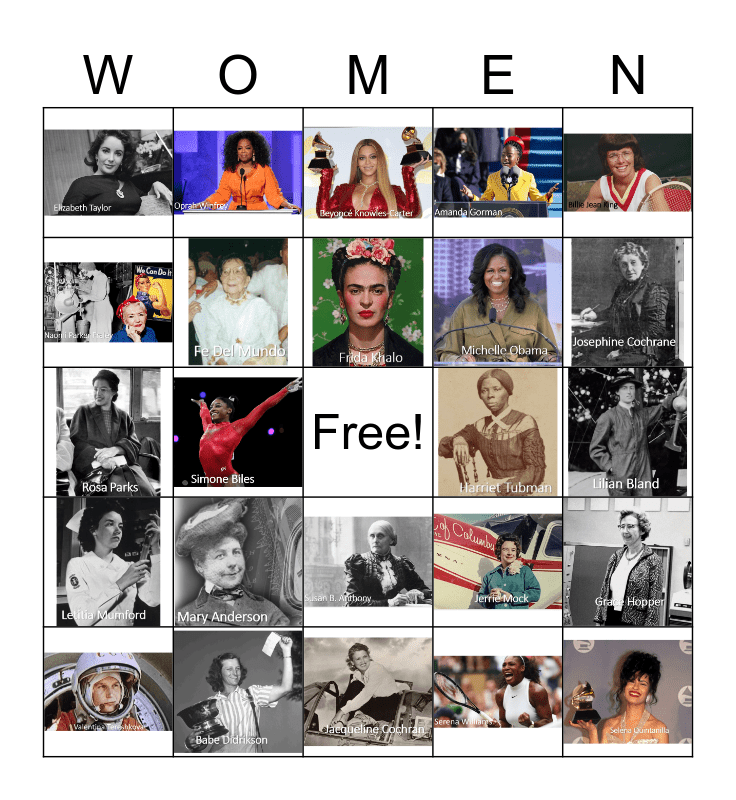
In the grand theater of modern womanhood, where the script is often rewritten by unseen hands, there exists a silent, unspoken language—a lexicon of microaggressions, condescensions, and outright dismissals that women are forced to decode daily. It’s a language that thrives in boardrooms, dinner tables, and even the most mundane of Zoom calls. And like any language, it demands fluency. Not the kind taught in universities, but the kind forged in the fires of lived experience. Enter the Mansplaining Bingo Card—a tool not just for recognition, but for rebellion. This isn’t just a game; it’s a manifesto, a shield, and a mirror all at once.
The Art of the Mansplain: When Knowledge Becomes a Weapon
Mansplaining isn’t merely the act of explaining something to a woman in a patronizing tone—it’s a full-fledged performance, a one-person show where the mansplainer is both the playwright and the lead actor. The script? A tired rehash of ideas the woman likely already knows, delivered with the gravitas of a TED Talk and the subtlety of a sledgehammer. It’s the condescension of a man explaining basic biology to a woman who just aced her medical exams, or the “helpful” advice on how to “handle” a difficult situation from someone who’s never faced it. The mansplainer doesn’t just explain; he colonizes. He turns knowledge into a territory to be claimed, a conversation into a lecture hall where he’s the only professor.
What makes this phenomenon so insidious is its performative benevolence. The mansplainer isn’t a villain in a cape; he’s the well-meaning uncle at Thanksgiving, the coworker who “just wants to help,” the partner who “only wants what’s best.” His tone is never cruel—it’s *patient*, as if he’s humoring a child. And that’s the trap: the more insidious the mansplaining, the harder it is to call out without seeming “ungrateful” or “overly sensitive.” The Mansplaining Bingo Card flips this script. It turns the act of explanation into a game of accountability, where every square filled is a strike against the illusion of male intellectual superiority.
Why a Bingo Card? The Subversive Power of Gamification
At first glance, a bingo card seems trivial—a child’s game, a corporate icebreaker, a mindless distraction. But in the hands of a woman who’s spent years navigating the minefield of mansplaining, it becomes something far more potent: a weapon of mass distraction. Gamification isn’t just about fun; it’s about control. By turning the act of calling out mansplaining into a game, women reclaim agency. Each square ticked isn’t just a tally; it’s a declaration. “I see you. I hear you. And I refuse to let this slide.”
The beauty of the Mansplaining Bingo Card lies in its universality. It’s not just for the woman who’s been mansplained to in a boardroom; it’s for the one who’s had her expertise questioned at a PTA meeting, the one who’s been told to “smile more” by a stranger, the one who’s had her emotional labor dismissed as “hysteria.” The card doesn’t just track the big, obvious offenses—it catches the microaggressions, the “well-meaning” interruptions, the backhanded compliments disguised as advice. It’s a Rosetta Stone for decoding the language of male entitlement, and every square filled is a step toward linguistic decolonization.
The Metaphorical Weight: Why This Card is a Mirror
Consider the bingo card not as a piece of paper, but as a mirror. Every time a woman fills a square, she’s forced to confront not just the mansplainer, but her own complicity in a system that rewards male voices above all others. The card doesn’t just highlight the mansplainer’s behavior—it forces the woman to examine her own reactions. Did she laugh it off? Did she bite her tongue? Did she let it slide because she didn’t want to “make a scene”? The Mansplaining Bingo Card is a tool for radical self-awareness, a way to hold up a lens to the ways women have been conditioned to shrink in the face of male authority.
There’s a poetic irony here: the very tool designed to call out male condescension becomes a mechanism for women to interrogate their own silence. It’s a paradox that mirrors the double bind women face daily—damned if you speak up, damned if you don’t. The card doesn’t offer easy answers, but it does offer clarity. It turns the abstract into the concrete, the invisible into the undeniable. And in doing so, it becomes a form of resistance.
The Cultural Ripple: How This Card Challenges the Status Quo
Mansplaining isn’t an isolated incident; it’s a cultural phenomenon, a symptom of a society that still clings to the myth of male intellectual superiority. The Mansplaining Bingo Card doesn’t just call out individual offenders—it challenges the entire edifice of that myth. By quantifying and visualizing the patterns of mansplaining, the card exposes the systemic nature of the problem. It’s no longer about one man’s ignorance; it’s about a society that normalizes and rewards that ignorance.
This is where the card’s subversive power truly lies. It’s not just a personal tool; it’s a cultural artifact. When shared among women, it becomes a communal act of defiance. It’s a way to say, “We see the pattern. We recognize the script. And we refuse to play along.” In a world where women’s voices are still policed, where their expertise is still questioned, where their authority is still undermined, the Mansplaining Bingo Card is a declaration of war. Not a war of fists or fury, but a war of words, of recognition, of refusal to be silenced.
The Psychological Liberation: Turning Pain into Power
There’s a quiet revolution that happens when a woman fills out her first Mansplaining Bingo Card. It’s not just the satisfaction of marking a square; it’s the realization that she’s no longer a passive participant in her own erasure. Mansplaining thrives in the shadows of unspoken norms, in the gaps between what’s said and what’s felt. The card drags those shadows into the light. It forces the mansplainer to confront his own behavior, and the woman to confront her own complicity—or her own strength in enduring it.
Psychologically, this act of naming and claiming is transformative. It turns the pain of being talked over, talked down to, or talked at into something tangible, something that can be named, shared, and ultimately, resisted. The Mansplaining Bingo Card isn’t just a tally of offenses; it’s a testament to resilience. Every square filled is a reminder that women have been playing this game for centuries—and now, they’re finally keeping score.

The Mansplaining Bingo Card is more than a novelty; it’s a cultural artifact, a psychological tool, and a weapon of quiet rebellion. It’s a way to turn the language of oppression into a language of resistance. And in a world where women’s voices are still policed, where their authority is still questioned, where their expertise is still dismissed, that’s no small feat. The next time a man mansplains to you, don’t just roll your eyes. Grab your card. Mark the square. And let the game begin.





Leave a Comment