
In the hallowed halls of scientific discourse, where data reigns supreme and objectivity is the golden standard, a glaring paradox persists: the voices of women—half the world’s population—are systematically sidelined. This isn’t just an oversight; it’s a systemic erasure, a quiet coup where the narratives of discovery are monopolized by a demographic that has, for centuries, dictated what counts as knowledge. But what happens when the women who have been the silent architects of scientific progress finally speak? What emerges is not just a correction of the record, but a seismic shift in how we understand the very act of discovery itself.
The Invisible Labor of Women in Science
For every Marie Curie or Rosalind Franklin whose names echo through history, there are legions of women whose contributions were buried under the weight of institutional misogyny. These are the women who conducted groundbreaking research, mentored the next generation, and yet were denied the credit—or even the basic dignity—of being acknowledged as primary investigators. Their work wasn’t just undervalued; it was often appropriated, repackaged, and presented as the brainchild of male colleagues. This isn’t ancient history. In labs across the globe today, women still face the “Matilda Effect,” where their achievements are systematically attributed to men.
Consider the quiet desperation of a female postdoc whose data is dismissed until a male colleague repeats the experiment and suddenly, it’s “groundbreaking.” Or the PhD candidate whose hypothesis is met with skepticism until her male advisor presents it as his own. These aren’t isolated incidents; they are the bedrock of a scientific culture that treats women’s intellect as a provisional resource—useful only when it can be repurposed for male validation.
The Myth of the Lone Genius
The romanticized image of the solitary male genius—Einstein scribbling equations in a patent office, Newton discovering gravity under an apple tree—is a lie we’ve been sold to obscure the collaborative, often invisible labor of women. Science is not a solo endeavor. It is a web of conversations, debates, and shared insights, where breakthroughs emerge from the friction of diverse perspectives. Yet, when women enter this web, their contributions are frequently reduced to footnotes, their ideas diluted into “supporting roles.”
The truth is far messier, far more human. The “Eureka!” moment is rarely the work of one mind but the culmination of years of uncredited labor. Women have been the unsung editors of scientific manuscripts, the meticulous data collectors, the tireless peer reviewers whose critiques shape the direction of entire fields. To ignore this is to perpetuate a fiction where discovery is a male birthright, and women are merely the midwives—if they’re lucky enough to be acknowledged at all.
When Women Speak, the Ground Shifts
What happens when these women finally speak? When they refuse to be silent about the theft of their ideas, the dismissal of their expertise, the outright plagiarism of their work? The response is often defensive, even hostile. Male scientists bristle at the suggestion that their success might be built on stolen labor. Journals scramble to “investigate” claims of misconduct, not out of a desire for justice, but to protect reputations. The backlash is predictable: accusations of “playing the gender card,” of “whining,” of “distracting from the real work.”
But here’s the thing: the real work *is* the work of dismantling these hierarchies. When women assert their right to be recognized, they don’t just reclaim their names—they force a reckoning with the very foundations of scientific authority. What emerges is not just a list of names to be added to the canon, but a fundamental challenge to the idea that science is an apolitical, meritocratic endeavor. It is not. It is a human endeavor, and like all human endeavors, it is shaped by power, privilege, and the unchecked ego of those who believe the world owes them their genius.
The Gender Gap in Science Communication
The underrepresentation of women in science communication isn’t just a numbers game—it’s a crisis of perception. When women do speak, their voices are often policed, their tone scrutinized, their expertise questioned in ways their male counterparts never experience. A female scientist discussing her research might be labeled “emotional” or “hysterical,” while a man delivering the same talk is hailed as “passionate” and “engaging.” The double standards are so ingrained that they’ve become invisible, until a woman dares to point them out—and then the outrage begins.
This isn’t just about visibility. It’s about who gets to define the narrative of scientific progress. When men dominate the platforms—whether in academic journals, conference panels, or media interviews—they shape the questions that get asked, the problems that get prioritized, and the solutions that get funded. Women’s contributions are relegated to “niche” topics: maternal health, gender-specific diseases, social determinants of health. Meanwhile, the “big” questions—quantum physics, space exploration, AI—remain the domain of men, as if women have no stake in the future of humanity.
The Promise of a New Paradigm
What if we approached science not as a series of isolated breakthroughs by lone geniuses, but as a collective, iterative process where every voice matters? What if we recognized that the most transformative discoveries emerge not from the echo chambers of privilege, but from the friction of diverse perspectives? This isn’t a utopian fantasy. It’s the reality that women have been living for decades, forced to navigate a system that was never designed for them—and yet, they persist.
The shift we’re witnessing isn’t just about adding more women to the ranks of science. It’s about fundamentally reimagining what science can be. When women lead, the questions change. The methodologies evolve. The priorities shift. Suddenly, the focus isn’t just on curing diseases that affect men, or designing technologies that cater to male bodies, or exploring the cosmos as if women don’t exist. Instead, the conversation expands to include the full spectrum of human experience. The result? A science that is richer, more nuanced, and ultimately, more human.
This is the promise of women’s voices in science: not just a correction of the historical record, but a revolution in how we understand the world. It’s a promise that demands we confront the uncomfortable truth that science, like all human endeavors, is not neutral. It is shaped by power, by bias, by the unchecked assumptions of those who believe they are the default. But when women speak, they don’t just add their voices to the chorus—they change the song itself.
The Road Ahead: From Erasure to Equity
The path forward is not a gentle one. It requires dismantling systems that have rewarded silence and complicity for centuries. It means holding institutions accountable when they fail to credit women’s work. It means amplifying the voices of women of color, Indigenous women, LGBTQ+ scientists, and women from the Global South—those whose erasure is even more profound. It means redefining what counts as “excellence” in science, and who gets to decide.
But the alternative—a world where science remains the exclusive domain of a privileged few—is unthinkable. Because science is not just about discovery. It’s about survival. And in a world facing climate collapse, pandemics, and the existential threats of artificial intelligence, we cannot afford to leave half the world’s brilliance on the sidelines. The future of science depends on it.
The women are speaking. The question is: will we listen?

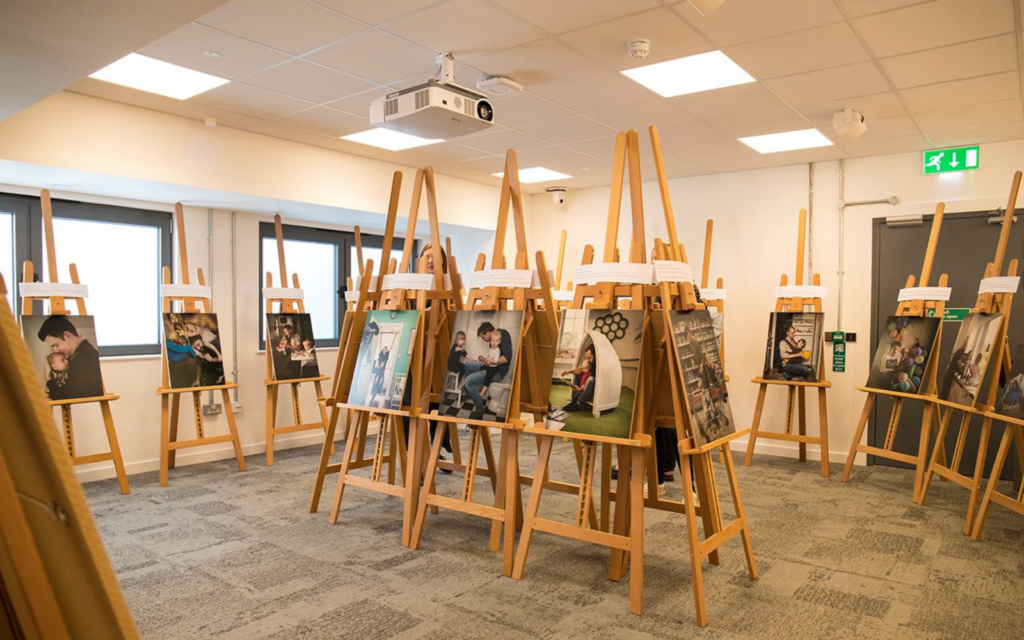
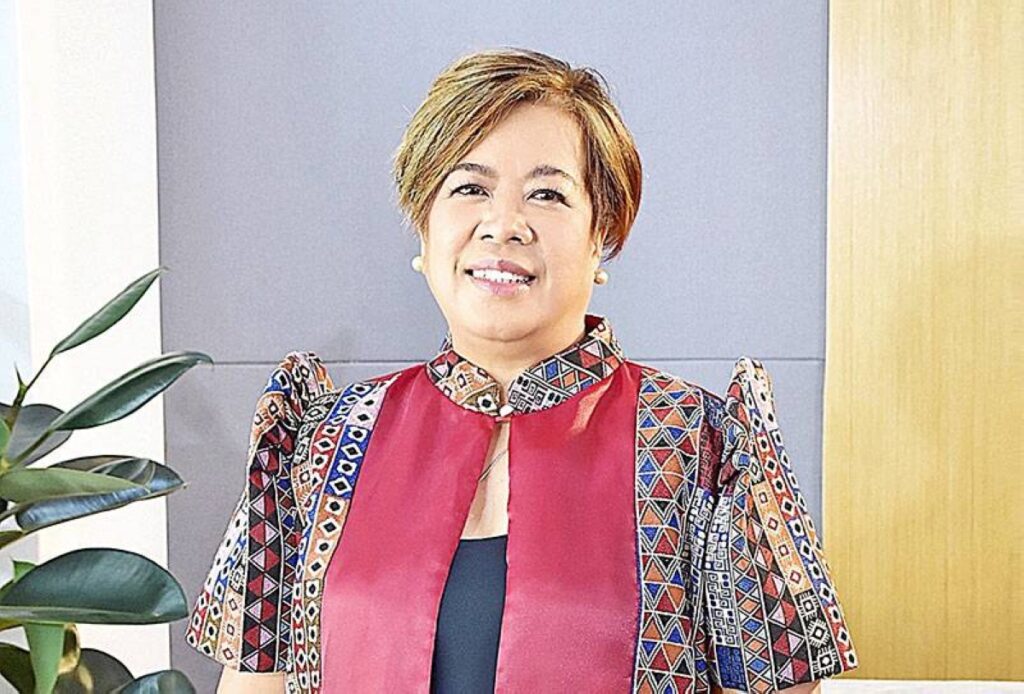
Illustration: The unspoken dialogue of science—where women’s voices are finally being heard.







Leave a Comment