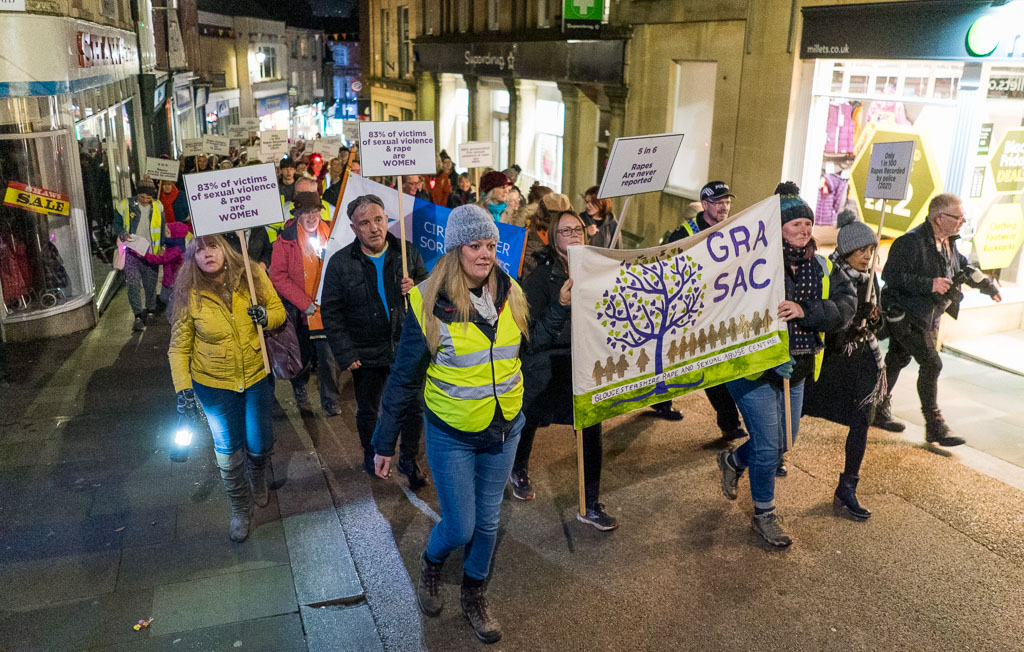
The Reclaim the Night marches evoke a vivid memory, a fiery blaze lit long before the world’s eyes widened to #MeToo’s revelations. We often observe these marches with a sense of nostalgia, curiosity, or simple admiration, as if they were quaint relics of a bygone era. Yet, the fascination runs deeper. These protests were not mere echoes of outrage; they were bold declarations of autonomy, resilience, and rage against a night imbued with fear and silencing. To understand their true essence is to illuminate the primal roots of feminist resistance and the persistent quest for bodily sovereignty.
The Genesis of Reclaim the Night: Defiance Born from Darkness
In the thick of the late 1970s, a relentless wave of violence against women catalyzed a collective outcry, birthing the Reclaim the Night marches. These gatherings were not spontaneous candlelight vigils; they were a fierce repudiation of a society that confined women to daylight, implying safety was a privilege contingent on sunlight. The night, for too long, had been synonymous with vulnerability—shadowed by harassment, assault, and systemic neglect. Women’s liberation groups recognized this insidious message: if you’re out after dark, you’re asking for trouble. Reclaim the Night shattered this narrative. They claimed the night — not just as a temporal sphere, but as a metaphorical domain where women would no longer cower in fear.

More Than Marching: A Ritual of Empowerment and Visibility
These marches were less about walking the streets and more about rewriting the geography of power and fear. Each step alongside fellow activists was a ritualistic defiance, an act of reclaiming public spaces that had been invisibilized or cordoned off due to misogyny. The simple act of walking through the streets at night morphed into an insurgent anthem. This was empowerment born of solidarity—an embodied refusal to remain passive, silent, or unseen. It rewired the traditional narrative of victimhood, transforming it into a collective proclamation: women are not at fault; the system is.
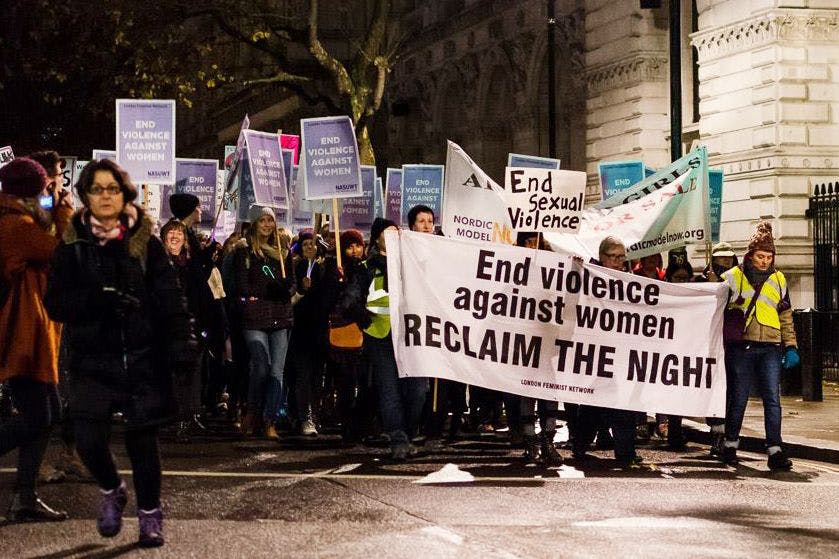
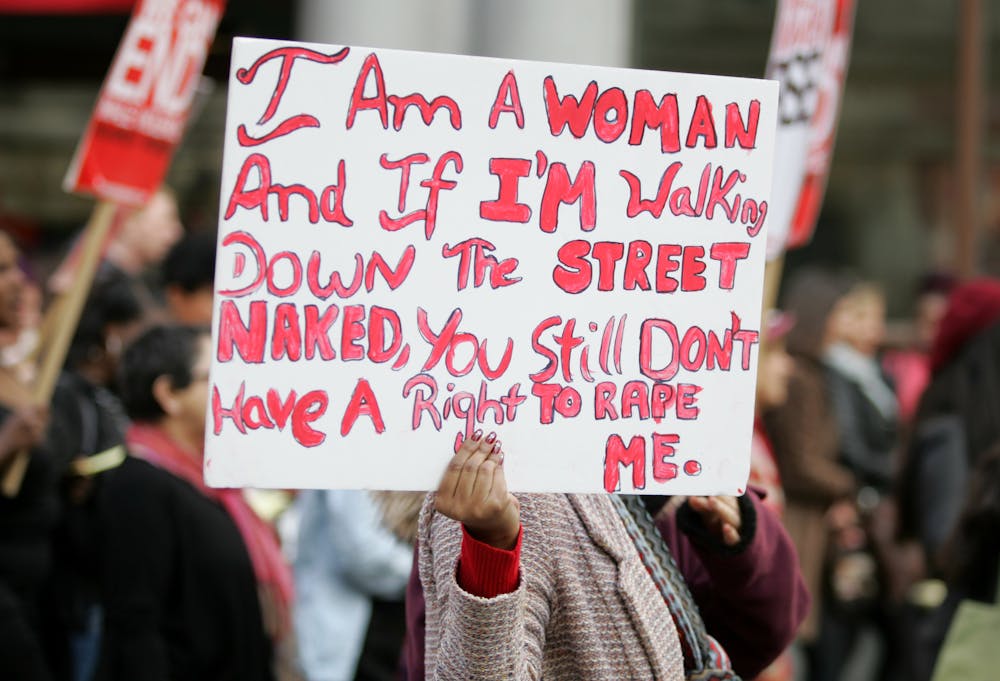
Participants wore their outrage visibly—signs, chants, and sometimes even theatrical performances disrupted the assumed quietness of the night. This spectacle was calculated to provoke, disturb complacency, and disturb entrenched patriarchal assumptions that relegated women to safety only when supervised or confined.
Intersecting Agendas: A Feminist Vanguard Against Systemic Indifference
Reclaim the Night was never monolithic. It entwined with broader feminist agendas addressing sexual violence, legal reform, and policing failures. The protests underscored harsh realities: law enforcement frequently minimized or outright dismissed women’s claims of abuse. The night was both battleground and symbol—a reminder that institutions often exacerbated the danger women faced rather than alleviated it.
The marches highlighted the intersection of spatial justice and gender justice. They forced communities and authorities alike to confront the untenable reality that women’s freedom was circumscribed by fear, not by choice. This confrontational posture birthed new dialogues about public safety, victim-blaming, and self-defense. It prefigured discussions that would later explode into the mainstream consciousness with movements like #MeToo, but with an immediacy and geographic rootedness unique to the time.
A Visual Manifesto: The Power of Images in Shaping Collective Memory
Photography and imagery from these marches capture more than nostalgia; they encapsulate defiant joy, raw emotion, and profound reclamation. Faces illuminated by streetlights, fist-held high, eyes ablaze with conviction—these images aren’t passive records. They are active invitations to witness and remember that the fight for women’s right to exist safely in public spaces has a history stretching back decades.

To gaze upon these photographs is to see a tapestry of impassioned resistance: women challenging the invisibility imposed upon them by a night that was meant to silence. The images are iconic because they strip away any illusion of calm or compliance and replace it with defiance and unity.
Echoes and Continuities: The Marches that Set the Stage for #MeToo
The Reclaim the Night marches were not isolated flashpoints but foundational acts in the long continuum of feminist activism. They paved the way for the current reckoning with sexual violence by illuminating the systemic roots of such abuses. Where #MeToo exploded virally, these marches incubated the enduring ethos that speaking out, taking up space, and challenging power structures were non-negotiable acts of survival.
Their legacy challenges contemporary observers to consider why the night still needs reclaiming in many contexts. The persistence of gender-based violence and the social conditioning that associates vulnerability with female bodies after dusk reveal that the work remains unfinished. These marches teach us that visibility—both literal and metaphorical—is a weapon. They compel current and future activists to continue shining light into shadows where fear and silence reign.
Conclusion: The Night as a Theatre of Resistance
The Reclaim the Night marches stand as a profound, provocative reminder that the struggle against gendered violence is deeply spatial and temporal. They forcibly dismantled the myth that women are inherently at risk when present in public after dark, and instead placed the blame squarely on the perpetrators and the failing systems that protect them. The fascination with these marches is warranted, for they distill a fierce, unapologetic feminism into a sequence of night-time footfalls—a chorus of voices demanding dignity, safety, and freedom.
In revisiting the Reclaim the Night marches, it becomes painfully clear that their spirit endures, urging women and allies to never allow space—be it the streets or the collective conscience—to be ceded to fear or indifference ever again.







Leave a Comment