In a world that worships the myth of effortless beauty, women find themselves ensnared in the paradox of appearing natural while investing an incalculable treasure into their appearance. The “Pretty Hurts” economy is a labyrinthine market where the commodification of femininity is both art and agony. It’s a realm where promises of authenticity mask elaborate rituals, where the pursuit of looking “naturally” beautiful demands infrastructure, currency, and sacrifice. This narrative unravels the intricate economy behind the visage of spontaneity — the true cost women pay to look like they’ve paid no price at all.
The Illusion of Effortless Beauty: A Manufactured Naturalness
Natural beauty has been aggressively repackaged as the highest ideal, yet it’s an illusion meticulously constructed. The rhetoric of “just woke up like this” resurrects an archaic paradox — the more “natural” you look, the more deliberate your preparation. Countless hours, dollars, and emotional labor are funneled into crafting that casual glow. The industry feeds off this desire for seeming effortlessness, blurring the line between authenticity and artifice.
From chemical-laden skincare products promising dewy skin to the mastery of sheer foundation application that erases imperfections without masking identity, every detail is carefully calibrated. The result is a spectacle of invisibility — beauty that strives to hide the fact it’s been manufactured.

Monetizing Femininity: The Commerce Behind “Just Being You”
Enter the enormous economic engine that thrives beneath the glossy surface of “natural beauty.” The beauty-industrial complex capitalizes on women’s insecurities and societal pressures, promoting products and services that promise to unlock the innate self hiding beneath “imperfections.” This is not a side hustle — it is a multibillion-dollar empire built on the relentless demand to look effortlessly attractive.
Facials, microdermabrasion, laser hair removal, waist trainers, lash extensions — the list spirals to infinity. These are not indulgences; they are investments women feel compelled to make to hold their ground in an unforgiving social landscape. These commodities require significant expenditure and constant maintenance, creating a cyclical dependency. The paradox persists: to appear natural, one must engage in unnatural labor and continuous consumption.
The Time Investment: Invisible Currency of the Pretty Hurts Economy
Beyond monetary costs lies the insidious invasion of time. The beauty regime demands hours each week, sometimes multiple sessions daily. This temporal investment executes a double bind — spend time on beauty, and society rewards the aesthetic; refuse, and risk marginalization. The hesitancy to abandon these rituals stems from the social capital imbued in “natural” attractiveness.
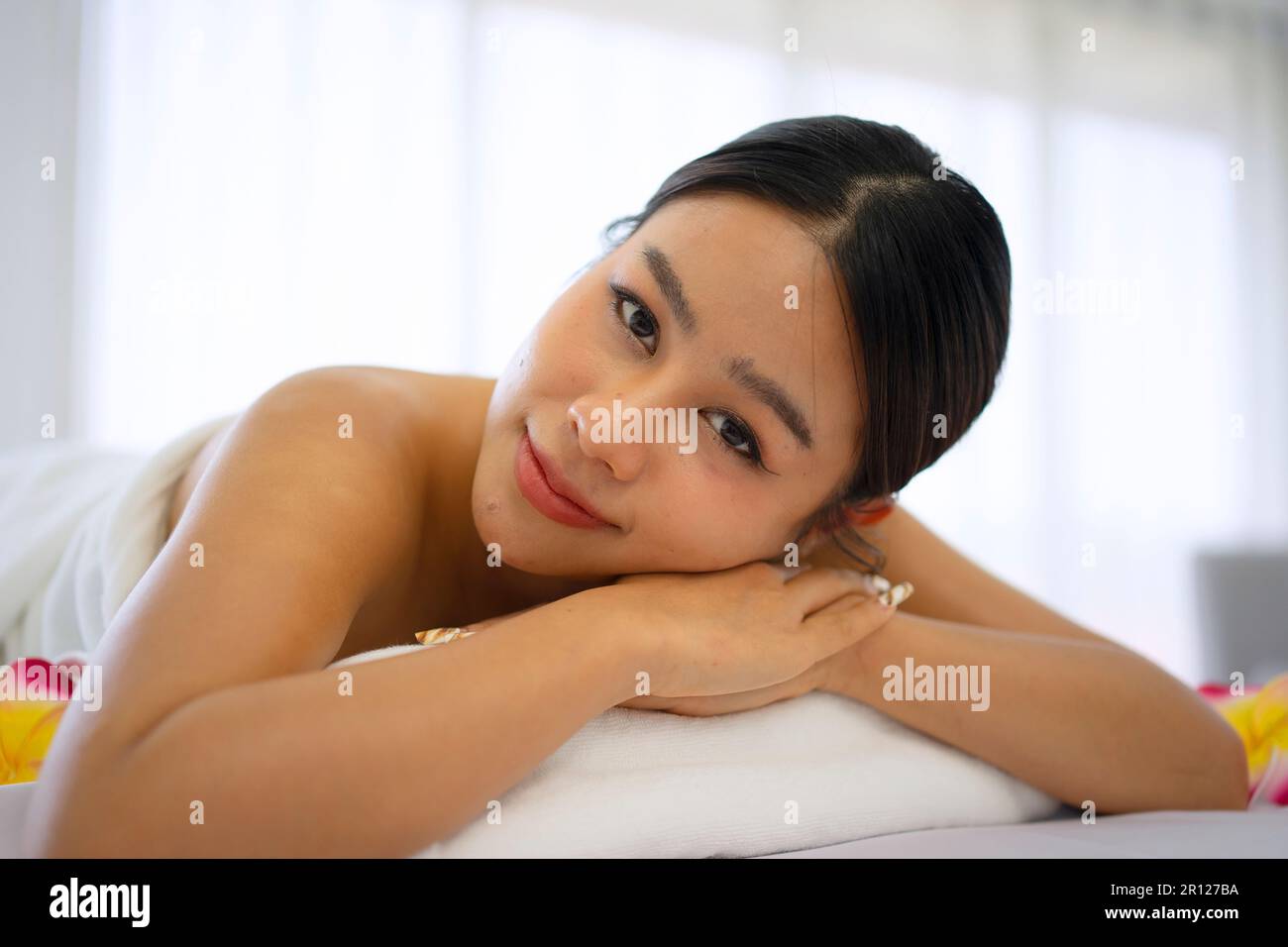
Time in mirror-lit bathrooms, in serene spa rooms, and even scrolling through endless tutorials online is the new labor. Unlike traditional work, this effort is invisible and socially undervalued, yet it extracts emotional and psychological tolls. It is the unrecognized currency fueling the economy of seeming spontaneous charm.

The Psychological Toll: When Beauty Becomes Burden
What begins as an aesthetic choice often transforms into a compulsive necessity, forging a psychological quagmire. The beauty ideal’s hegemony distorts self-perception, cultivating insecurity even amid efforts to comply. The paradoxical promise of empowerment through appearance devolves into its opposite — disempowerment under relentless scrutiny.
Women navigate a treacherous tightrope, balancing self-expression and conformity. The sense of “natural” is weaponized to impose narrow standards, breeding comparison, dissatisfaction, and burnout. This persistent anxiety fractures identities and undermines the authenticity the industry so cleverly commodifies.
Reclaiming Authenticity: Towards a Radical Reimagination
Is it possible to dismantle the Pretty Hurts economy without erasing femininity’s vibrant spectrum? The answer lies in reimagining authenticity beyond commodified appearances. Resistance begins not with rejection but with consciousness — recognizing the economic and emotional tolls embedded in “natural” beauty narratives.
This reclamation invites a cultural pivot: embracing imperfection, valorizing diversity, and refusing the invisibility cloak cast over labor in beauty production. It requires a collective awakening to valuing women beyond visual transactions and interrogating why the natural appearance comes with such a hefty price tag.
Conclusion: Beyond the Surface, Towards a New Economy of Self-Worth
The Pretty Hurts economy is more than a market; it’s a mirror reflecting society’s deepest contradictions about gender, value, and identity. The quest to look natural is, paradoxically, one of the most unnatural endeavors cultivated by gendered expectations and capitalism. Recognizing and challenging this economy invites a radical shift—not just in how women see themselves, but in how society measures worth beyond the superficial veneer.
In dismantling the myth that natural beauty is effortless, we reclaim time, money, and emotional energy. More importantly, we reclaim autonomy—a currency far more valuable than any cosmetic. This is not just an evolution of beauty standards; it’s a revolution in how we understand freedom and femininity.





Leave a Comment