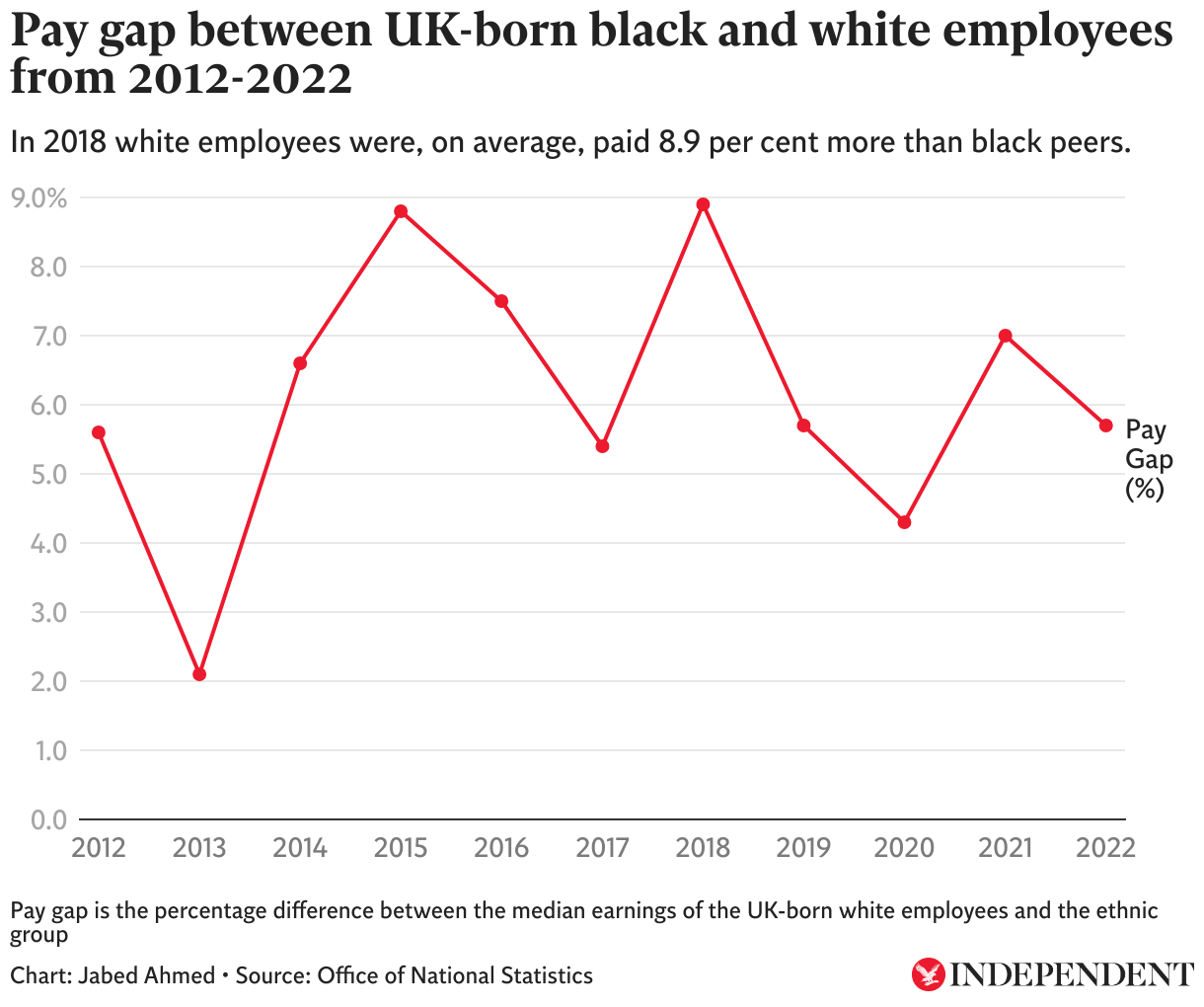
Imagine a vast, sprawling labyrinth—one that promises opportunity at every turn, yet snares countless wanderers in invisible traps. This is the landscape of the wage economy, a maze whose walls rise much higher and seem much thicker the darker one’s skin tone. The popular narrative often simplifies the pay gap as a gendered issue, spotlighting disparities women face compared to men. But beneath this surface lies a more pernicious reality: for those who are not white, the pay gap is not merely wider; it is a chasm forged by centuries of systemic inequities, prejudice, and economic exclusion. To comprehend this disquieting truth is to acknowledge that the story of income inequality refuses to fit neatly into a single plotline. It is a multidimensional crucible where race compounds gender, and disadvantage multiplies into an enduring economic disenfranchisement.
The Myth of a Level Playing Field: When Equal Pay is a Mirage
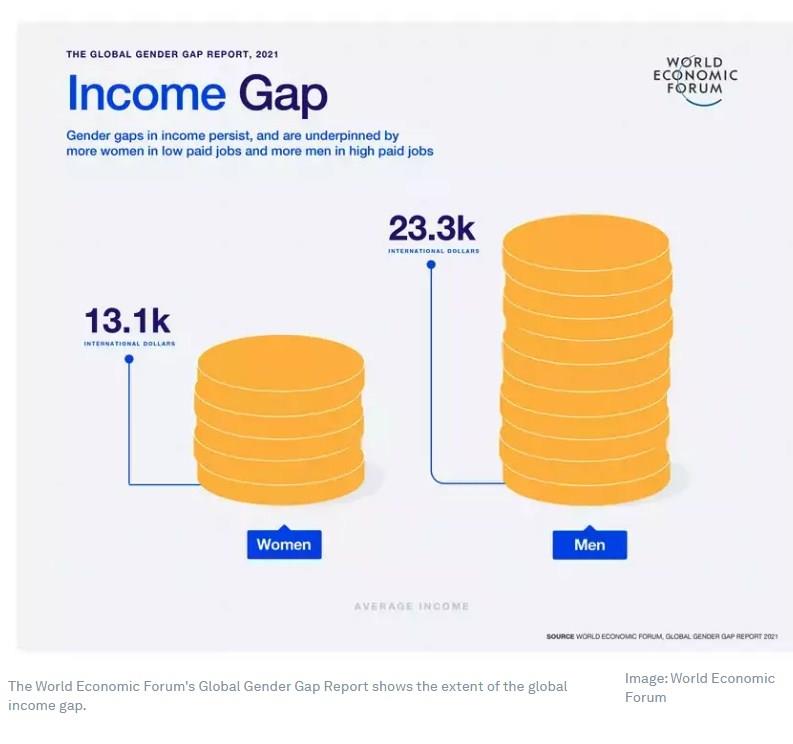
At first glance, the pay gap looks like a straightforward arithmetic problem—women earn less than men. However, this depiction is a mirage. For non-white individuals, pay disparity bears the weight of additional, unspoken variables. The expectation that passing wages between racialized and gendered groups is solely a matter of equalizing numbers is akin to assuming all players enter the game with the same arsenal. They do not. Hidden barriers such as discriminatory hiring practices, occupational segregation, and unequal access to networks and education deliberately skew the scales, creating a playing field that is uneven and riddled with pitfalls.
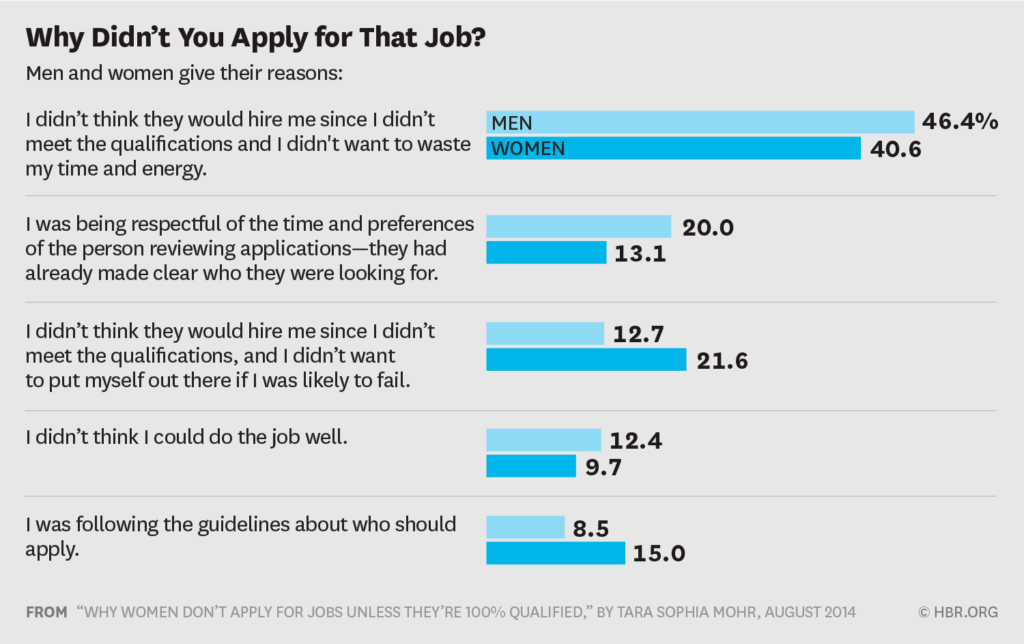
This labyrinth is more than a metaphor; it is an economic reality reinforced by biased attitudes about risk, competence, and potential. For example, studies indicate that risk aversion is often weaponized against women of color, wrongly categorizing their career ambitions as timid or insufficiently assertive—yet the true risk lies in navigating a workplace that systematically undervalues them.
The Intersectional Abyss: Where Race Deepens the Wage Divide
To grasp why non-white workers suffer worse pay gaps, one must embrace intersectionality—not as an academic buzzword, but as a lifeline for unraveling layered oppression. The intersection of race and gender is a vortex where pay inequality spins faster and swirls deeper. Black women, Latina women, Indigenous women, and Asian women do not simply experience a double jeopardy; their economic devaluation is a maelstrom of compounded biases.
:max_bytes(150000):strip_icc()/9YHiZ-the-gap-that-won-t-go-away-75ed98ab7b8c4dd5b92a63aa1ca70112.png)
Consider the Black-White wage gap that refuses to dissipate—stubbornly resilient despite legislative and social advances. This is a stark illustration that systemic racism is baked into economic structures. The wage disparity acts like a slow poison, eroding the financial foundation of communities and stymieing generational wealth accumulation. For women of color, the divergence between earnings and white counterparts is not a temporary setback but an entrenched crisis.
Risk and Reward: How Perceptions Twist the Wage Trajectory
Risk in the workplace is an oft-cited determinant of entrepreneurial growth and salary negotiation success. Unfortunately, perceptions of risk are mediated by color lines etched deeply into societal consciousness. Those who do not align with the white, male archetype of professionalism face a form of economic redlining, where risk-taking is punished rather than rewarded.

Why rebel against this system? Because compliance ensures continued marginalization. People of color demanding fair wages are often branded as agitators or troublemakers, their rightful calls for equity mistaken for insubordination. This stigmatization reinforces a feedback loop where silence can mean survival, but also perpetuates economic invisibility.
Invisible Taxation: The Emotional and Social Costs of the Wage Divide
The wage gap exacts a toll beyond dollars and cents. It levies an invisible tax—an emotional, psychological, and social cost disproportionately borne by non-white workers. This taxation manifests in heavier workloads, fewer promotions, constant microaggressions, and an exhausting need to prove one’s worth repeatedly. The labor of navigating these stressors siphons energy from career advancement and financial growth, creating barriers that no paycheck can quantify.
Moreover, this cycle exacerbates systemic poverty, affecting healthcare access, educational opportunities for children, and retirement security. The wage chasm extends beyond individual hardship to the collective trauma of communities, entrenching social inequities that reverberate across generations.
Charting a Path Forward: From Visibility to Systemic Change
The solution demands more than goodwill or surface-level reforms. It requires a fundamental reimagining of workplace dynamics, hiring practices, and compensation structures with a lens explicitly focused on race and gender equity. Transparency in pay and proactive measures such as targeted mentorship programs, equitable performance evaluations, and anti-bias training must be standard, not optional.
More than policies, this transformation depends on a societal reckoning with the labyrinth’s walls—tearing down barriers that perpetuate economic exclusion. Only when the complex interplay of race and gender is front and center can the labyrinth be reconfigured from a site of entrapment into a landscape of genuine opportunity.







Leave a Comment