
Negotiation has long been framed as a battleground where the assertive thrive and the timid falter. Conventional wisdom blames women’s hesitation at the table on a deficit of confidence or skill—a simplistic narrative that slides past the labyrinthine dynamics shaping their experience. The truth is far more complex, unsettling, and urgent: women don’t freeze because they lack courage or capability. They freeze because the game itself is rigged against them, embedded with structural duplicity and social treachery that punishes authenticity and penalizes power. Exploring this hidden reality not only shatters outdated myths but demands a radical recalibration of how society understands and supports women in negotiations.
The Mirage of Confidence: Why It’s Not the Core Issue
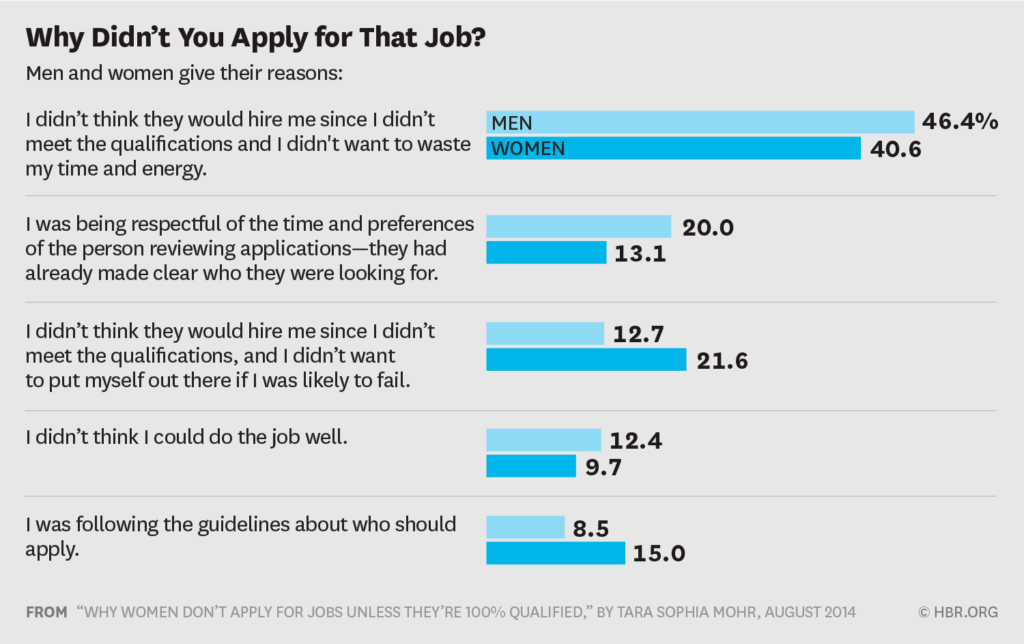
For decades, the dominant narrative has whispered that women “just need to be more confident.” Yet, this mantra reduces women’s negotiation behavior to a simplistic psychological deficit, sidestepping systemic forces at work. Women are not paralyzed by inner doubt alone. Rather, the interplay between external pressures and internalized expectations molds their negotiation style in ways society has yet to fully reckon with.
Confidence, as socially constructed, is a performative facade that women have been conditioned to modulate carefully. Displaying overt assertiveness can trigger backlash, framing them as aggressive or unlikeable—a peril men seldom encounter. This social penalty stifles their true negotiation voice, forcing a form of self-censorship. The freeze emerges not from weakness but as a strategic adaptation to a hostile environment, a survival tactic in a minefield of gender biases.

When Truth Becomes a Liability: The Dilemma of Dishonesty
Here lies a brutal paradox—honesty, conventionally viewed as a virtue, becomes a risky gambit for women. Research exposes a grim reality: women face higher rates of dishonesty from counterparts during negotiations. This chronic exposure to duplicity warps the negotiation landscape, forcing women into defensive postures that can appear as hesitation or withdrawal from the outside.
In an ecosystem rife with concealed agendas and misleading overtures, women’s impulse to probe, verify, or pause isn’t weakness. It’s an adaptive response to avoid being hoodwinked. The freeze is a moment of calculated restraint, a pause to outmaneuver deceit rather than rush into disadvantageous deals. In this light, hesitation is a weapon of wisdom, an underacknowledged form of power often misinterpreted as faltering spirit.

The Unseen Battleground: Gendered Double Binds and Cultural Scripts
Negotiation is fraught terrain governed by invisible rules written by patriarchal norms. Women are caught in gendered double binds—expecting to be warm yet strong, modest yet competitive, collaborative yet commanding. Each choice risks social sanction. This cultural ambivalence coerces women into a stifling equilibrium where authentic expression could sabotage outcomes.
Moreover, entrenched stereotypes paint competent women as threatening and indecisive women as unworthy. Such reductive binaries course through the negotiation arena, watering the seeds of self-monitoring and internal conflict. The emotional labor required to navigate this minefield further compounds the pressure, making the prospect of freezing less about incapacity and more about preserving dignity and future leverage in a hostile sphere.
Reframing the Freeze: From Pathology to Strategy
The willingness to freeze, to hold back, is a profound act of agency misacknowledged by mainstream perspectives. It signifies an acute awareness of risk, an informed recalibration informed by lived experience. Women’s negotiation behaviors, often misread as passivity, can be a sophisticated toolkit shaped by necessity.
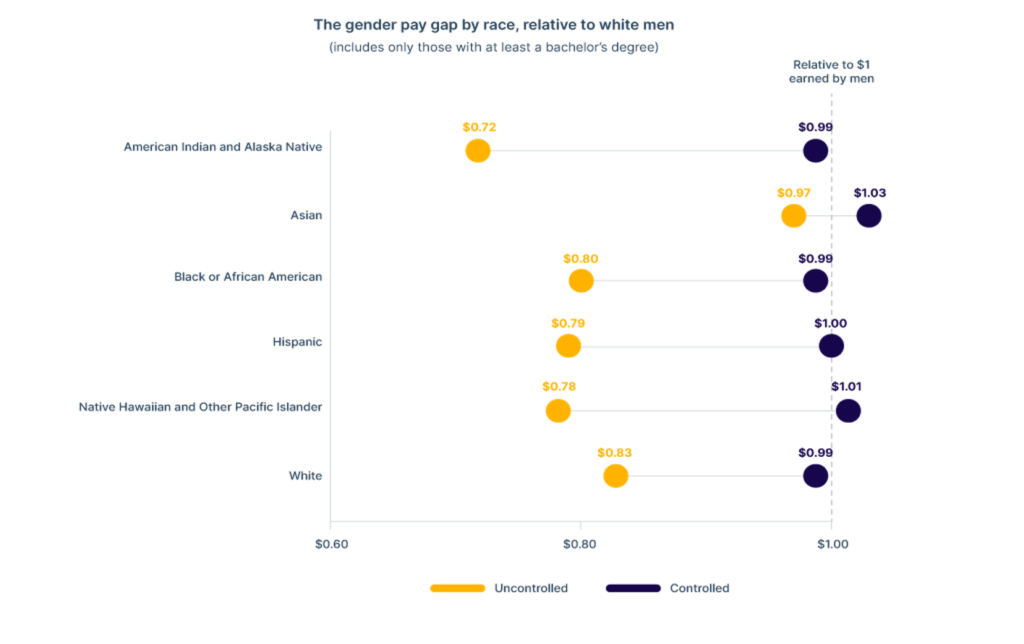
This recalibration prompts a shift in how organizations, negotiators, and policymakers must approach equity. The solution lies not in urging women to “lean in” harder but in transforming the structural conditions that punish genuine power, prioritize transparency, and foster environments where women can wield their strengths without fear of retribution or dishonor.
Pioneering a New Paradigm: Toward Radical Transparency and Equity
Breaking the cycle of mistrust and gender bias in negotiations requires more than surface reforms. It calls for a tectonic shift—a seismic reengineering of cultural norms and institutional frameworks. Radical transparency must replace strategic opacity, ensuring all parties engage honestly and with mutual respect.
Such change also demands that societal narratives evolve beyond individual blame toward collective accountability. Negotiation education must incorporate the realities of gendered experience, teaching all participants to recognize and dismantle the implicit biases that warp interactions.

Conclusion: Embracing Complexity to Empower Real Change
The real reason women freeze in negotiations is neither lack of confidence nor incompetence. It is a nuanced response to a complex web of systemic dishonesty, cultural double binds, and the policing of female agency. Understanding this transforms the conversation—from one that pathologizes women’s behavior to one that challenges society to confront and rectify profound inequalities.
Empowering women in negotiation requires dismantling barriers, not forcing compliance with distorted norms. It calls for revolutionizing trust, transparency, and respect at every level. Only then can the freeze become a signal of strength, a pause before a breakthrough, paving the way for authentic and equitable dialogue. That is the shift we desperately need.





Leave a Comment