In the labyrinthine corridors of corporate culture, where women’s voices have long been drowned out by the cacophony of systemic inequity, a riveting phenomenon emerges: a single email template is being shared feverishly among women, catalyzing not just pay raises but a seismic shift in power dynamics. This is not merely about a perfectly worded letter; it’s an audacious act that challenges the tangled socio-economic threads that have historically rendered women silent in salary negotiations. Why has this email template become a clandestine weapon of empowerment, echoing across inboxes and watercoolers alike? The intrigue lies not only in its polished prose but in the deeper fissures it exposes within the workplace patriarchy.
The Unseen Struggle Behind Salary Negotiations
Salary negotiations for women have never been a straightforward transaction. Beneath the surface of polite requests lies a battleground marred by implicit biases, gendered stereotypes, and the silent penalties meted out to women who dare to ask for more. The hesitation is palpable—not from a lack of merit but from generations conditioned to prioritize harmony over assertiveness, modesty over demand. This email template, then, is a beacon in the fog, capturing an unspoken truth: the rhetorical finesse matters as much as the courage.
The common observation here is telling—many women have confessed to feeling inadequate or fearful when broaching the subject of raises, often drafting emails that are apologetic or vague. This template disrupts that narrative by injecting confidence through carefully curated language that is simultaneously professional, unapologetically clear, and imbued with strategic leverage. But the fascination extends beyond efficacy; it taps into a psychological reclamation of voice, an act of defiance wrapped in civility.
Crafting the Message: The Anatomy of the Template
The power of this email stems from its architectural brilliance. It embraces a multipart structure that opens with gratitude, segues into a substantiated account of achievements, and culminates with a bold, unambiguous request. This sequencing is not arbitrary; it mirrors the logic of human persuasion, stoking goodwill before planting the seed of recompense. It is at once art and science—a dance of ethos, pathos, and logos across mere paragraphs.
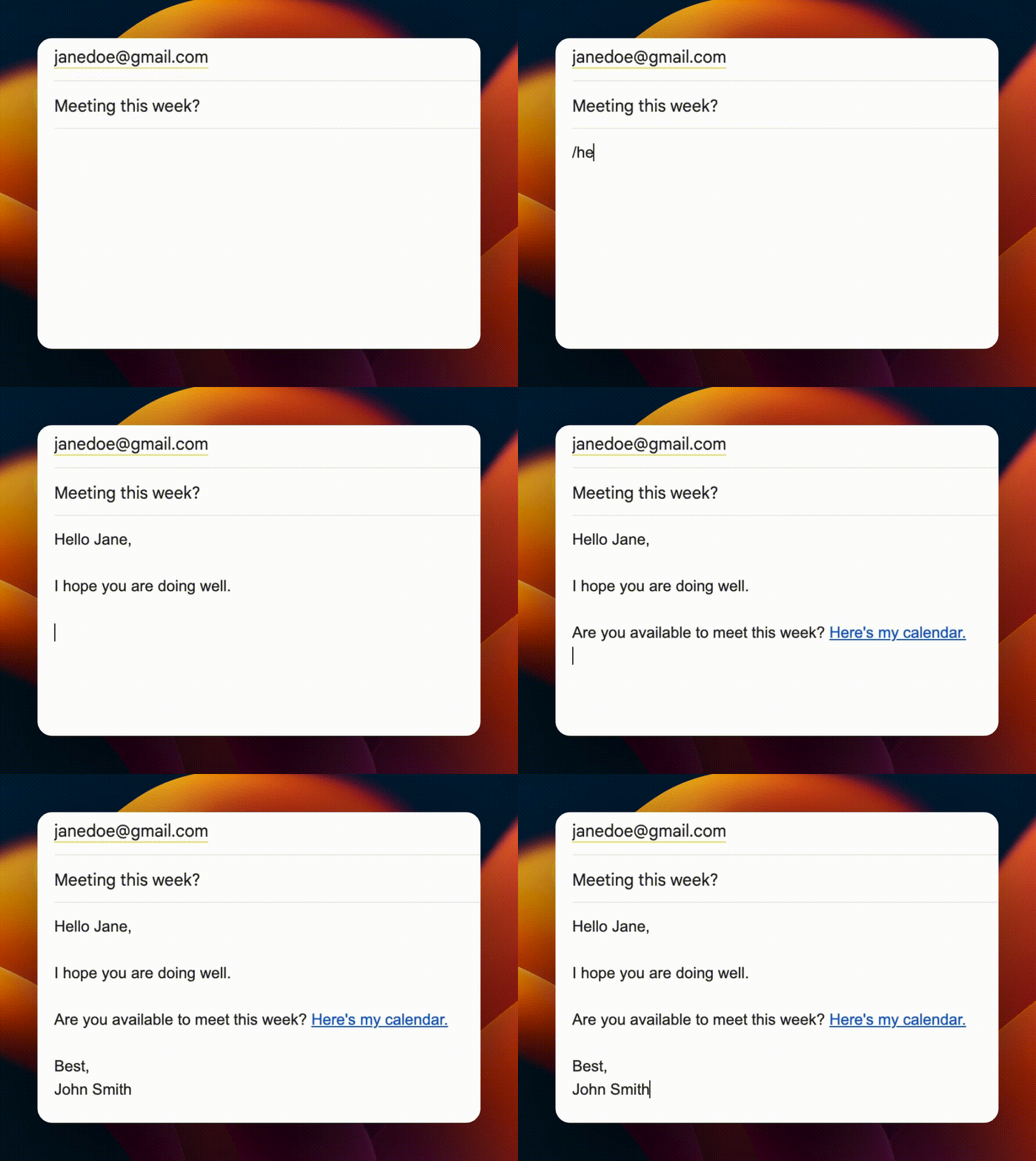
Moreover, the choice of diction is meticulously calibrated. The template circumvents common pitfalls like tentative language (“I was wondering if…”) or hedging statements that make requests seem like favors rather than entitlements. Instead, it opts for declarative sentences and metrics-driven evidence, reinforcing that the ask is justified, not a plea. This linguistic alchemy transforms what could be construed as modesty into a demand for equitable recognition.
The Social Contagion Effect: Why Women Are Sharing It Everywhere
Something remarkable is underway: this template has ignited a wildfire of solidarity and tactical knowledge-sharing among women. In countless online forums, Slack channels, and private communities, women trade the template as if passing a secret map to buried treasure. This phenomenon highlights a collective awakening—a refusal to navigate the opaque, often hostile structures alone.
More than a tool, the template is a symbol of communal resistance. Sharing it constitutes an act of rebellion against the gatekeepers of professional worth. It exposes how systemic barriers are often breached not by solitary heroism but through shared wisdom. The template’s virality is emblematic of a deeper yearning: to dismantle the traditional hierarchies that marginalize women’s economic contributions and redefine workplace narratives on their terms.
Negotiation Psychology Unveiled: Why This Template Resonates
At its core, the template succeeds because it meticulously addresses the psychological tension that stifles negotiation. It leverages the principle of assertive vulnerability, weaving confidence with humility—an intoxicating blend that disarms resistance without surrendering demands. The recipient is engaged intellectually and emotionally, confronted with data and demeanor in a balanced approach.
This contrasts sharply with the typical male-coded stereotype of negotiation as aggressive or adversarial. Here, the subtle power plays take center stage, recognizing that the tone and framing can pivot responses from rejection to concession. The template invites reflection on why femininity and power have been treated as mutually exclusive, spotlighting how language can redefine that binary.
The Ripple Effects: Beyond the Raise
Securing a 40% raise is undeniably monumental, yet the reverberations of this email extend far beyond numerical gain. It catalyzes internal shifts—women start to envision themselves less as passive recipients and more as architects of their professional trajectory. Confidence begets ambition, and ambition demands systemic change.
Organizations, too, confront a mirror. When faced repeatedly with well-documented, assertive requests, the traditional excuses for pay disparity falter. The template becomes a conduit for accountability, compelling companies to reckon with the disparities they perpetuate. Over time, what began as a tactical maneuver transfigures into a movement for transparency and equality, disrupting the status quo one inbox at a time.
Conclusion: The Language of Power and the Future of Women’s Work
The fascination with this email template transcends its immediate utility. It signifies a tectonic shift in how women perceive, enact, and negotiate power. In the sterile template lies a raw, pulsating force—a collective resolve to claim what has been systematically denied. This is not just a correspondence; it is a manifesto, urging women to rewrite the scripts of deference and invisibility.
As it circulates fervently, rallying myriad women to rethink their worth in tangible terms, the template crystallizes an essential truth: language is a formidable tool in the arsenal against institutionalized inequity. And in wielding it, women are not only securing raises but reshaping the very contours of professional justice in the years to come.









Leave a Comment