
In the kaleidoscopic world of feminist corporate leadership, the figure of the CEO who champions women’s empowerment has become almost mythic. She is heralded as a beacon of progress, a paragon of principles — a feminist icon atop the glass ceiling, shattering barriers with every bold move. Yet, beneath this shimmering veneer lies a disquieting paradox: the very women she ostensibly champions, especially Latina workers, often endure a grueling grind under poverty wages. How does this incongruity persist? What hidden fissures in feminist praxis allow such contradictions to coexist? This exploration ventures beyond the glossy headlines to confront the uncomfortable realities cloaked in corporate virtue signaling.
The Allure of the Feminist CEO: A Modern Archetype
There is something irresistibly compelling about the feminist CEO. This figure melds ambition and advocacy, fusing boardroom power with social justice rhetoric. She seemingly dismantles patriarchy from within capitalistic institutions, embodying a new vanguard where profit meets principle. Her narrative tugs at collective aspirations — symbols of hope in a world still riddled with gender inequities. Yet fascination with this archetype is often tinged with a complicated cocktail of admiration and skepticism.
The CEO’s public persona is meticulously curated, blending progressive branding with performative activism. Feminist rhetoric saturates press releases and keynote speeches, while glossy campaigns celebrate women’s achievements. This spectacle generates an aura of infallibility, obscuring less palatable operational realities. Thus, a dissonance develops: the feminist mission is wielded as a marketing instrument, commodified to enhance reputation and consumer appeal. The glamorized narrative masks persistent systemic inequities within the company, especially as experienced by Latina workers.
Latina Workers: The Invisible Backbone of Corporate Feminism
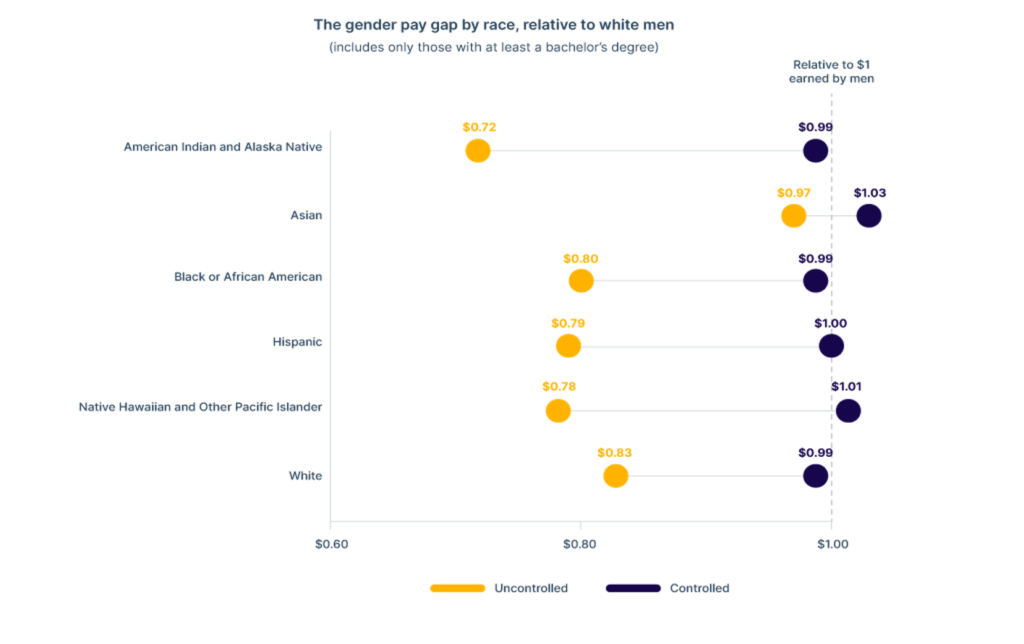
In the shadows of corporate feminism’s spotlight, Latina workers frequently remain the unseen and unheard architects of success. They populate the lowest echelons, their labor indispensable yet undervalued. Despite womanist rhetoric about inclusion and equity, these workers endure compensation that traps them within the quagmire of poverty. The disparity is stark and systemic: a feminist CEO’s commitment to ending poverty often does not extend to her own workforce’s wages.
Latinas are disproportionately represented in service and support roles—positions historically devalued in terms of pay and prestige. Their struggle highlights a deeper structural failure in feminist corporate models: the inability or unwillingness to tackle economic justice at its root. Wages that barely sustain basic living standards belie claims of empowerment, reducing feminist labor discourse to an empty slogan. This disparity fuels cynicism among communities yearning for authentic change rather than symbolic victories.

The Paradox of Feminism in Capitalist Structures
At the heart of this contradiction lies the uneasy alliance between feminism and capitalism. The feminist CEO operates within a system predicated on maximizing profit, often at odds with redistributive justice. Feminism’s infiltration into corporate culture risks dilution—its transformative potential co-opted to bolster bottom lines rather than dismantle hierarchical exploitation.
Paying poverty wages to Latina workers under the banner of women’s empowerment exposes feminism’s commodification. The CEO’s feminist identity becomes performative—a veneer that conceals rather than confronts oppressive wage structures. This scenario exemplifies how capitalism appropriates social movements, repackaging them as palatable CSR initiatives while preserving economic inequalities. The feminist CEO, therefore, is simultaneously a catalyst for visibility and a custodian of exclusion.
Behind the Curtain: Economic Necessity or Willful Neglect?
Why tolerate this dissonance? Some argue that paying low wages is simply a brutal byproduct of economic survival in competitive markets. Corporations plead cost pressures and shareholder demands; social responsibility gets sacrificed on the altar of profitability. Yet, this rationale rests on a false dichotomy—one that assumes feminism must submit to capitalism’s dictates rather than challenge them.
Willful neglect, masked by rhetorical progressivism, is a more discomforting reality. Retaining a feminized workforce at poverty wages ensures a docile, expendable labor pool. It relegates Latina workers to margin roles, hindering economic mobility and silencing labor activism. The feminist CEO, paradoxically, perpetuates these conditions by framing gender inequity solely as representation or glass ceiling issues, avoiding the thornier subject of income justice.
Raising Awareness: Latina Equal Pay and Workers’ Rights
Yet cracks are appearing in this carefully constructed tableau. Latina voices increasingly demand justice beyond symbolic feminism, calling for liveable wages, labor rights, and systemic reform. Grassroots activism and social media campaigns amplify awareness of wage disparities, challenging corporate narratives that gloss over financial inequities.

This burgeoning movement reveals feminism’s unfinished business within capitalism: equity must encompass economic empowerment. The feminist CEO who genuinely embraces this ethos must transform beyond image management. True leadership demands disrupting wage hierarchies, investing in workforce development, and aligning feminist ideals with material conditions.
Conclusion: Towards a Feminism That Pays Its Women Fully
The paradox of the feminist CEO paying her Latina workers poverty wages underscores the complexities of feminist praxis under capitalism. Fascination with this figure reflects broader societal hopes for transformative justice, juxtaposed with persistent realities of economic stratification. The tension invites a reckoning: feminism cannot claim progress while tolerating poverty among its most vulnerable constituents. Empowerment must transcend rhetoric. It must resonate in paychecks, workplace dignity, and structural change.
Only by confronting these dissonances—rejecting performative feminism and entering into honest, radical economic critique—can the feminist movement fulfill its promise. The feminist CEO must evolve from a symbol to a substantive agent of justice, no longer paying lip service but truly paying her Latina workers what their worth demands. Anything less is a betrayal of the very women she claims to uplift.





Leave a Comment