Have you ever considered the radical politics embedded in the simple act of walking quietly? Imagine stepping into public, your footsteps muted, your presence unaccompanied by the cacophony of unsolicited commentary or invasive gazes. Silent walking isn’t just a trendy exercise hack or a fleeting TikTok fascination—it’s a subtle rebellion and a declaration of a woman’s right to exist unbothered. But can controlling the sound of our footsteps truly disrupt the pervasive noise of surveillance, harassment, and objectification? Let’s tread these paths together and unravel the potent symbolism cloaked in this new, hushed trend.
Silent Walking: More Than a Fitness Fad
At first glance, silent walking might seem like an idyllic exercise routine—an invitation to connect with nature or enhance mindfulness. The deliberate restraint of sound encourages a heightened awareness of one’s body and surroundings, a meditative choreography of muscles and breath. Yet, beneath this veneer of wellness lies a strikingly political subtext. Women have long been exhorted to tread lightly, figuratively and literally, in public spaces—their voices, movements, and even their bodily presence policed by an ever-watchful society. Silent walking quietly confronts this ingrained expectation by reclaiming autonomy over how a woman moves and is perceived.
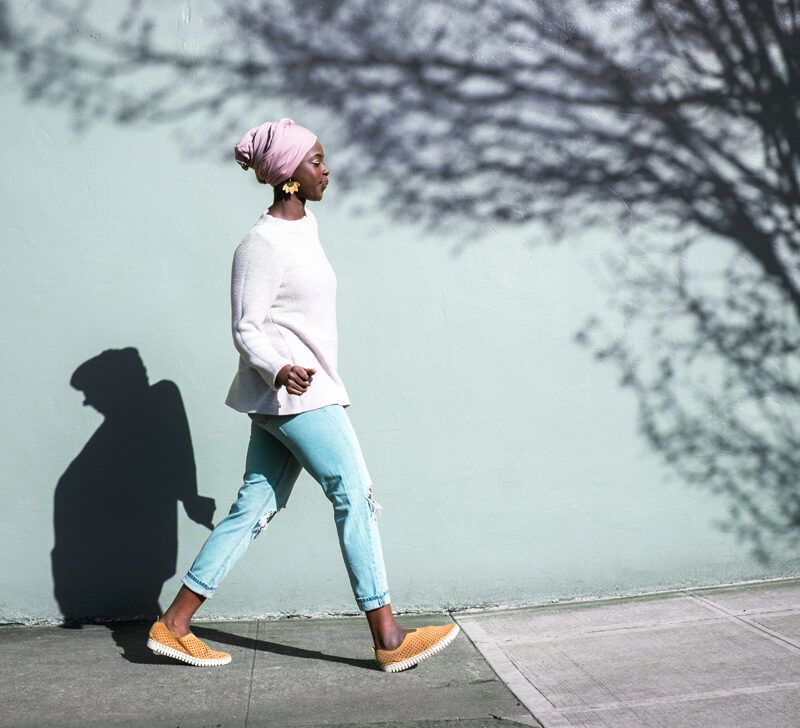
Is silent walking the act of self-care or a subtle act of resistance? Perhaps both. It is a refusal to be throttled by the noise of unsolicited attention—and a recalibration of the space women occupy.
The Auditory Politics of Existence
Why does silence matter? Noise is power. The audible presence of a woman in shared spaces often invites commentary—sometimes unwanted, frequently intrusive. The sound of footsteps becomes not just a literal trace but a metaphor for the visible and audible signals that society reads as permission or provocation. By consciously muting this sound, silent walking becomes an assertion that a woman does not owe the world acknowledgment or engagement. The silent step subverts the sensory clues that have traditionally exposed women to male gaze and public interruption.
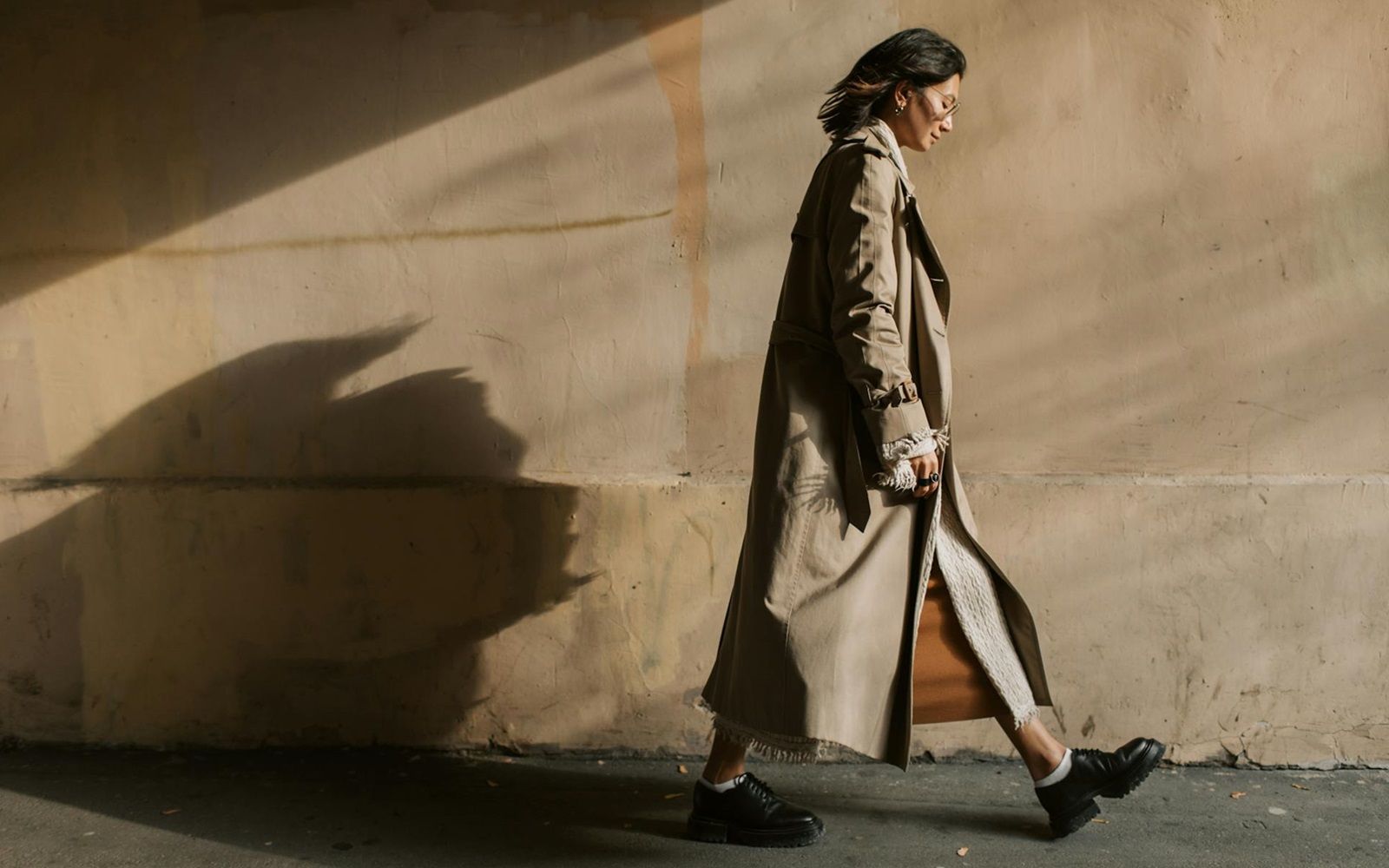
In a sense, silence becomes a sanctuary. But herein lies a paradox—is it empowering to silence oneself to evade harassment, or is it symptomatic of a society that forces women into invisibility to ensure their safety? This tension provokes profound questions about how freedom is negotiated in public realms.
Posture, Presence, and Power
Complementing silence, many women engaged in this trend experiment with posture walking—a precise alignment of the body meant to convey confidence without aggression, calm without submissiveness. The smart walk, an interval-like cadence of steps and pauses, symbolizes a physical vocabulary that resists hurried disruption and invites deliberate presence. Together, these techniques craft a bodily language that is declarative rather than defensive.

This embodied approach challenges the notion that women should shrink and slip through the cracks. Instead, it embraces an unapologetic right to exist in the space occupied, demanding attention—not for validation, but simply as a presence that is unassailable.
Unbothered by Design: The Right to Roam Freely
The silent walking trend quietly unveils a longing for the banal freedom to occupy public spaces without contest. The ability to roam unbothered is not merely a convenience but a fundamental human right—the right to navigate one’s environment safely, without fear of catcalls, harassment, or objectification. This right is frequently denied to women through both overt assault and the constant, grinding anxiety of potential threat.
Silent walking can be read as a tactical recalibration: no grand marches or shouted slogans, just the soft assertion of existing as a sovereign body. It invites a reconsideration of public space itself—not as a male-dominated arena where women must guard their every step, but as a realm welcoming of diverse presences, moving quietly yet firmly.
Can Silence Truly Shield? The Limits of the Trend
But does silence in footsteps translate to silence in safety? Here lies the challenge. The very need to walk silently—to soften one’s impact lest it invite danger—exposes the brutal reality that women’s autonomy remains circumscribed by external threats. Silent walking skirts the edges of complicity in a culture that forces women to self-modify to avoid harm.
This trend pushes us to question: should women have to adapt their bodies and behaviors to claim safety, or should society itself confront the systemic unequities that necessitate such adaptation? The onus cannot lie solely on individuals to engineer their protection. Instead, silent walking should be a call to dismantle the structures that silence women’s voices and limit their freedom.
From Trend to Transformation: Building Spaces Where Women Are Unbothered
Ultimately, the silent walking trend is a whisper of a larger revolution—a desire for genuine respect and security. It provokes us to envision futures where women’s right to exist unbothered is not exceptional but commonplace. Where streets do not demand anxious footfalls, but confident strides; where silence is chosen for peace, not fear.
This is not just a physical reclamation, but a cultural imperative. The silent walk invites solidarity among women and allies willing to recalibrate expectations of behavior, attention, and presence in shared spaces. It is a call for systemic transformation, beyond the personal tactics of survival, toward a collective renaissance where every woman’s existence is honored—unfiltered, unremarked upon, and most importantly, unbothered.









Leave a Comment