What if the phrase “Equal Pay” painted on witty wooden blocks carried vastly different echoes depending on where—and to whom—you directed your gaze? It’s a tantalizing conundrum, isn’t it? Equal pay sounds like a simple, unequivocal demand. And yet, like the wooden cubes arranged with care to spell it out, the concept refracts and splinters into a kaleidoscope of meanings shaped by culture, context, and controversy. Why does equal pay mean one thing on one block, and something else entirely on another?
The Semantics of Equality: Beyond the Surface of Wooden Blocks
Those wooden blocks are more than just aesthetic props; they symbolize how equal pay can ostensibly appear straightforward but proves to be labyrinthine in practice. One block proclaims “Equal Pay” with gravity, evoking a rigid, legalistic demand for parity. Another, vibrant against a playful blue backdrop, suggests an aspirational goal, a horizon yet to be reached. Meanwhile, the pink-toned image, curled around a businessman’s hand, introduces complexity—what does equal pay mean when layered with power dynamics, gender, and occupational stratification?
Equality in pay is a mercurial notion. At face value, it addresses the unjust reality where individuals performing commensurate work receive disparate compensation. But peel back the veneer and it exposes systemic entanglements. Is it equality of base salary, or total compensation including bonuses, benefits, and stock options? Is it equal pay for equal work, or equal pay for work of equal value? Those nuances form the bedrock of the ongoing struggle, and the wooden blocks merely hint at their labyrinthine nature.
Geographies of Disparity: How Place Reshapes Equal Pay’s Meaning
Turn your attention to geography—the invisible but palpable borders that tilt the scales of remuneration. Equal pay in the United States, for instance, must grapple with a patchwork of state laws, historical wage gaps entrenched in race and gender, and a cultural milieu increasingly vocal about systemic injustice. Contrast that with other regions where legislation might either be absent, inadequately enforced, or subject to societal norms that deprioritize wage equity altogether.
On one block, equal pay can be a militant battle cry, a call to dismantle oppressive hierarchies. On another, softened by geographical or cultural norms, equal pay may be an ambiguous, rarely articulated ideal—something theoretical and aspirational rather than concrete. It reveals how pay equity is inextricably tied to place, local policy, and the socio-economic fabric, challenging the illusion that wage equality is a universally understood or pursued concept.
Intersectionality’s Weight: When Equal Pay Gets Complicated
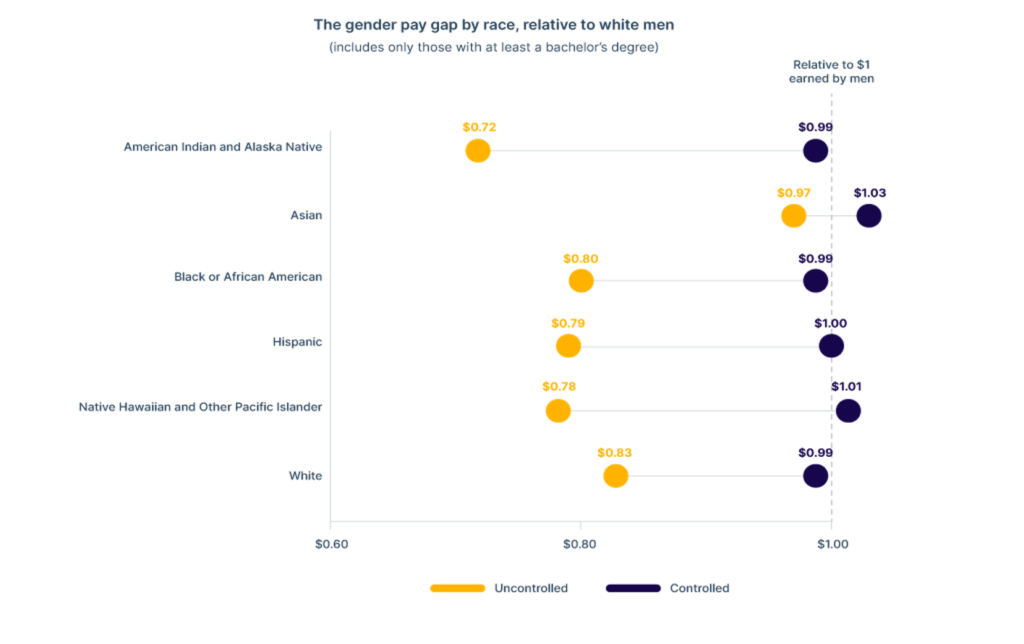
Equal pay is never merely about gender, yet gender remains its most visible fault line. The blocks stacked in neat rows cannot capture how race, ethnicity, disability, sexuality, and class furtively complicate these equations. Black women, Latino women, and other marginalized groups encounter more profound pay inequities, a fact often masked by rudimentary statistics celebrating gender parity among white women and men.
Inherent in those wooden blocks lies a silent question: Who is included in “equal”? What about the barriers built by unpaid caregiving duties, workplace discrimination, and occupational segregation? Equal pay debates dissolve into impenetrable fog unless framed through this intersectional prism, recognizing that not all blocks bear equal weight or meaning across differing lived experiences.
Corporate Posturing Versus Genuine Commitment: The Equal Pay Theater
Those pristine wooden blocks with their neat lettering can feel like a staged performance. Corporate America has long adopted the language of equal pay as a badge of virtue, yet behind glossy diversity reports and slogans lies a disconcerting reality—token compliance without transformative change.
Equal pay claims on company websites may represent compliance with legislation but sometimes mask subtle salary negotiations, opaque promotion criteria, and undervaluing of roles dominated by women or minorities. The glossy blue block may be an invitation for dialogue, but is it also a curtain that conceals persistent inequities? This duality forces us to ask: is equal pay a genuine pursuit or a carefully curated narrative that placates watchdogs and activists without disturbing the status quo?
Measurement Madness: Quantifying Pay Equality is a Quagmire
One of the trickiest puzzles these blocks highlight is the challenge of measurement. How do you quantify equality? Pay disparity can be quantified with blunt statistical tools, but those tools miss context—such as differences in hours worked, years of experience, or occupational choices. This creates a conundrum: is the solution to equal pay simply numerical parity? Or must we dive deeper into the qualitative dimensions that influence remuneration?
There is a seductive simplicity to laying out blocks with equal lettering—each letter an unequivocal unit—but actual pay equality refuses such neatness. Beyond base salaries lie bonuses, commissions, benefits, job security, and intangible factors like workplace respect and advancement opportunities. The struggle for equal pay therefore extends beyond money to a broader equity narrative.
Challenges in Achieving True Pay Equity: A Call to Dismantle the Blocks
Equal pay is a seductive phrase because it promises justice in a digestible package. Yet, like stacking wooden blocks precariously to spell out a complex ideology, this promise risks collapsing under its own weight unless actively deconstructed and reassembled with intentionality.
True pay equity demands continuous interrogation of structural inequalities, dismantling discriminatory hiring and promotion practices, amplifying undervalued occupations, and valuing the multifaceted experiences of workers. It demands transparency, courage, and a refusal to settle for symbolic victories. The playful question thus becomes a provoking challenge: How do we move beyond the facile symbolism of equal pay and ensure it means the same, equitable opportunity for everyone—on every block?







Leave a Comment