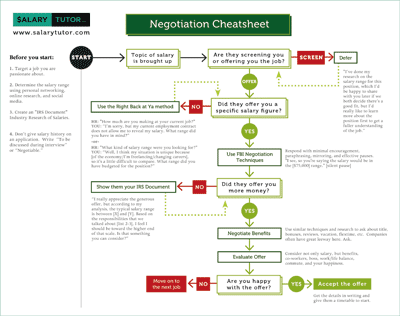
In a world where women’s voices are too often muted at the negotiation table, a quiet yet powerful act of rebellion recently unfolded. She didn’t yell. She didn’t threaten. Instead, she armed herself with cold, incontrovertible data—a meticulously crafted spreadsheet that laid bare her value in black and white. This wasn’t just a negotiation tactic; it was a declaration that facts and fairness must prevail over biases and expectations. Let’s peel back the layers of this nuanced approach, exploring how a simple spreadsheet became a weapon against wage disparity, how she wielded it, and what lessons lie within for anyone daring enough to challenge the status quo.
The Art of Data-Driven Negotiation
Negotiation, especially around salary, is often perceived as an emotional or subjective battleground. Yet, transforming the discussion into a data-centric discourse shifts power dynamics radically. Numbers don’t lie. They strip away the vagaries of ‘gut feelings’ and replace them with irrefutable truths about market standards, the individual’s contribution, and industry benchmarks.
Her spreadsheet acted as a strategic manifesto. It encapsulated not just her current compensation, but comparative salaries within her role across different companies, average industry wages by experience level, and even projections for growth. This panoramic view made dismissals impossible, underpinning her proposals with transparency and methodical reasoning.
The eloquence of data lies in its universality. When she introduced those figures, the conversation ceased to be about subjective worthiness and became about objective value—recalibrating perceptions and expectations in an instant.
Unveiling the Spreadsheet: Anatomy of an Assertive Proposal
At its core, the spreadsheet was no mere list of numbers. It was a carefully curated narrative of worth and potential. Each column, each row was a calculated move in a chess game, anticipating objections, recalibrating tactics, and emphasizing strengths.
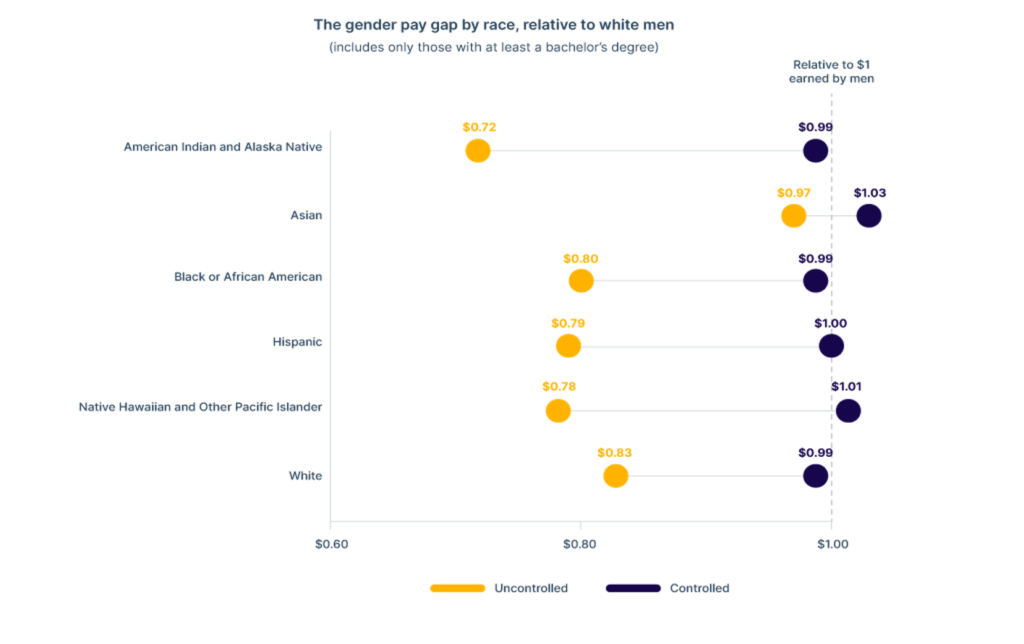
Included were detailed salary scales categorized by role, geographic location, and company size; benefits and bonuses data providing holistic compensation insight; and even charts illustrating trends such as gender pay gaps and negotiation outcomes. This breadth of information not only showcased a mastery of self-advocacy but also highlighted systemic inequalities she was prepared to confront head-on.
Presenting this spreadsheet reframed the encounter: She was no longer a passive recipient awaiting a benevolent offer but an equal interlocutor equipped with incontrovertible data.
Strategic Timing and Presentation Tactics
Timing is the subtle pulse beneath every successful negotiation. She chose a moment when annual reviews were imminent, and the company was gearing for fiscal forecasts—moments when budgetary flexibility could be weighed pragmatically. This wasn’t happenstance; it was painstakingly calculated to maximize impact.
The presentation of the spreadsheet was neither confrontational nor defensive. Instead, it was collaborative; she invited dialogue, demonstrated openness to discussion, and positioned herself as a partner rather than an adversary. This tone diffused potential resistance and fostered a problem-solving ambiance, crucial for transforming opposition into agreement.
Confronting Gender Bias with Data-Backed Confidence
Women face an entrenched labyrinth of stereotypes—assumptions that they lack negotiation prowess or are less assertive about their remuneration. This spreadsheet became a formidable countermeasure. By marshaling data, she detonated myths about subjective deservingness and displayed commanding expertise.
Institutional bias is often less overt but equally pernicious, embedded in opaque pay structures and inconsistent appraisal mechanisms. Her spreadsheet spotlighted discrepancies not just in her salary but in disparities within the organization and industry, compelling accountability and transparency from leadership.
The Psychological Power of Visualization in Salary Negotiations
Visual aids have an undeniable potency. Graphs, charts, and comparative tables communicate complex data swiftly and memorably. Her spreadsheet’s visual components helped distill a dense web of statistics into digestible insights, making it easier for decision-makers to apprehend the rationale behind the proposal.

Moreover, visualization reduced the emotional charge of salary discussions. When numbers and trends emerge as shared reference points, the negotiation becomes an exchange of facts rather than feelings, paving the way for rational, equitable outcomes.
Lessons Beyond the Spreadsheet: Empowerment and Advocacy
Her success story underscores a broader mandate: empowerment through preparation and knowledge. While spreadsheets and data can galvanize individual negotiations, their power is magnified when shared collectively as tools for systemic change.
She catalyzed a ripple effect, prompting colleagues and even entire departments to scrutinize outdated compensation schemas with newfound clarity. It demonstrates how assertive self-advocacy can simultaneously serve as a lever against systemic oppression and a beacon encouraging others to rise.
Ultimately, the spreadsheet symbolizes more than numbers—it embodies agency, courage, and the refusal to accept invisibility. It’s a call to all who have been marginalized in workplace economics to arm themselves with knowledge and demand parity unapologetically.
Crafting Your Own Negotiation Arsenal
For anyone inspired by this approach, the roadmap is clear but demands diligence. Gather data relentlessly—not just about salaries but about your performance metrics, market trends, and organizational context. Develop a comprehensive yet clear presentation format that delivers your case with precision.
Practice delivering your case with confidence yet openness, anticipating counterpoints and preparing forthright responses. Remember, negotiation is not a zero-sum game but a joint quest for fairness and recognition. Let your spreadsheet be the beacon guiding that journey.
In the end, her story reminds us that the battlefield of pay equity is not a place for silence or submission. It is a space for strategic brilliance, data mastery, and unyielding resolve. When armed thus, salary negotiations transcend transactions—they become transformative acts of justice.







Leave a Comment