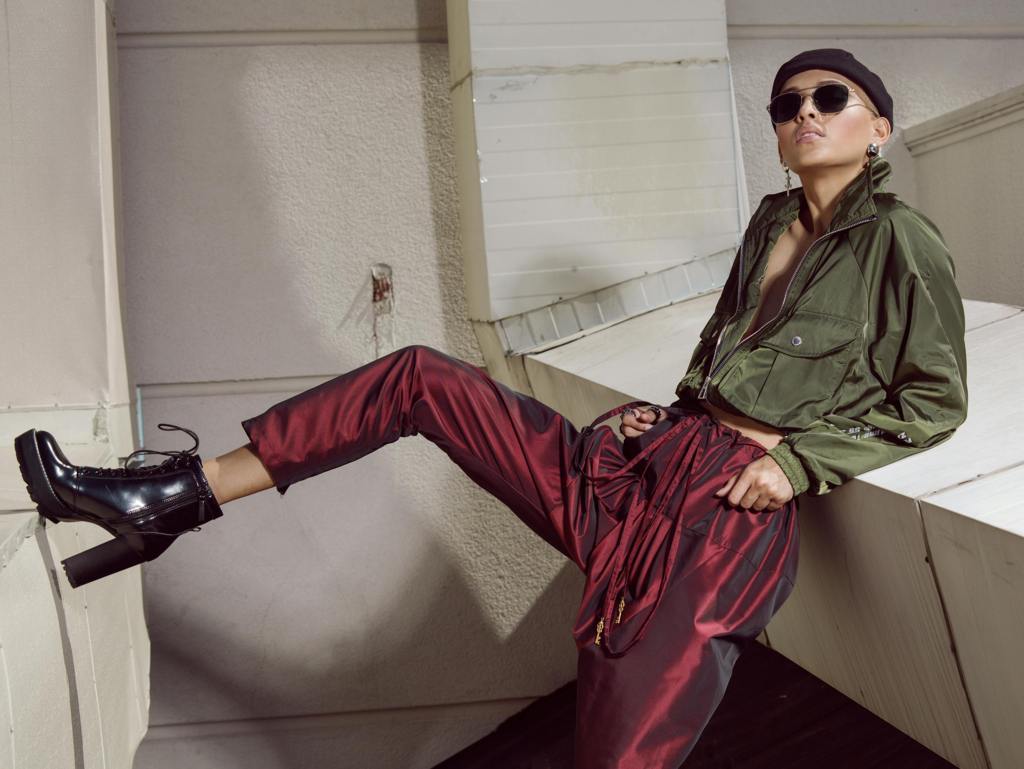
What if the most radical act of defiance in the 21st century isn’t shouting slogans in the streets, but slipping into a pair of trousers that refuse to whisper gendered secrets? What if the quietest revolution isn’t in legislation, but in the way fabric drapes across a body—how it carves space for identities that refuse to be boxed, labeled, or policed? The genderqueer revolution in fashion and identity isn’t just about clothes. It’s about dismantling the very architecture of how we see ourselves and each other. It’s about asking: Who gets to decide what a body should wear?
The Binary Straitjacket: How Fashion Has Policed Identity for Centuries
For too long, fashion has been a silent enforcer of the gender binary—a corset of norms so tight it left little room for breath, let alone self-expression. The rigid divide between “masculine” and “feminine” wasn’t just aesthetic; it was political. Corsets cinched waists to uphold fragility. Trousers on women were scandalous, a threat to the social order. Even today, the “men’s” and “women’s” sections of stores are not neutral zones but battlegrounds where conformity is rewarded and deviation is met with side-eye or worse. The genderqueer body, caught in the middle, has been erased—until now.
Consider the way pink is marketed to girls and blue to boys, as if color itself were a biological imperative. Or how “unisex” often just means “shrunk down for men with narrow hips.” These aren’t accidents. They’re the fossilized remains of a system that policed desire, movement, and even thought through the tyranny of fabric. But what happens when the fabric rebels?
Breaking the Seams: The Rise of Genderless Design as Subversion
Genderless fashion isn’t just a trend—it’s a tactical withdrawal from the binary economy. Designers like Harris Reed, Telfar Clemens, and Marine Serre are stitching together silhouettes that refuse to perform gender. Oversized blazers that swallow curves. Skirts that drape with the same authority as trousers. Fabrics that flow without dictating who should wear them. This isn’t androgyny as a costume; it’s the unraveling of androgyny itself into something far more radical: choice.
The genius of this movement lies in its refusal to center cisgender comfort. Genderless fashion doesn’t ask, “How can we make this palatable for straight people?” It asks, “How can we make this feel like freedom?” The result? A wardrobe that doesn’t just accommodate nonbinary and genderqueer bodies—it celebrates them. But here’s the rub: this liberation comes with a price. The more genderless fashion enters the mainstream, the more it risks being co-opted, watered down, or repackaged as “edgy” for the very systems it seeks to dismantle.
The Mirror and the Mask: How Clothing Shapes (and Distorts) Identity
Fashion isn’t just a reflection of who we are—it’s a tool for becoming. A well-placed blazer can feel like armor. A skirt can feel like a dare. For genderqueer people, clothing is often the first frontier of self-assertion, a way to claim space in a world that insists on misgendering them. But what happens when the mirror starts to lie? When the clothes that were meant to liberate become another cage?
There’s a paradox here: the same industry that once demanded conformity now sells “gender-neutral” collections at a premium, as if liberation were a luxury good. The genderqueer person browsing these racks might find themselves trapped in a new kind of consumerist performance—one where buying the “right” outfit feels like buying authenticity. And yet, for many, there’s no alternative. The mainstream still treats genderqueer fashion as a novelty, a “phase,” or worse, a marketing gimmick. The challenge? To wear clothes without them wearing you—without letting the fashion industry dictate what your rebellion should look like.

The Body as Canvas: When Fashion Becomes a Political Statement
To wear genderqueer fashion is to engage in a silent, sartorial protest. Every time a nonbinary person steps out in a dress that’s labeled “men’s,” they’re rejecting the idea that clothing has a gender. Every time a cisgender ally dons a skirt without apology, they’re chipping away at the illusion that femininity is weakness. But this protest isn’t without risk. Gender nonconformity is still criminalized in some places. Trans and genderqueer people face violence for daring to exist outside the binary’s gaze. Fashion, then, becomes more than aesthetics—it’s a survival tactic.
Yet the revolution isn’t just about visibility. It’s about access. How many genderqueer people can afford to shop in boutiques that charge $300 for a “gender-neutral” T-shirt? How many can find clothes that fit their bodies without resorting to the “unisex” section, which often just means “small and featureless”? The genderqueer fashion revolution must reckon with its own elitism if it’s to be truly revolutionary. The challenge isn’t just to design clothes that defy gender—it’s to make them accessible to the people who need them most.
The Future Stitch: Can Fashion Truly Liberate—or Will It Always Betray?
Here’s the uncomfortable truth: fashion is a capitalist machine. It thrives on desire, on the illusion that buying something will fill a void. The genderqueer fashion revolution risks being swallowed by this very system, repackaged as “inclusive” while the underlying structures of oppression remain intact. The question isn’t whether fashion can change—it’s whether it can transform.
Perhaps the answer lies in the margins. In the DIY tailors stitching clothes for bodies that don’t fit the binary. In the thrift stores where gendered sections are ignored in favor of personal expression. In the digital spaces where genderqueer designers share patterns for free, bypassing the gatekeepers of high fashion. The future of genderqueer fashion isn’t in the glossy pages of Vogue—it’s in the hands of those who refuse to wait for permission to exist.
The genderqueer revolution in fashion and identity isn’t just about clothes. It’s about power. It’s about who gets to decide what’s beautiful, what’s acceptable, what’s wearable. And if history has taught us anything, it’s that the most radical acts of defiance often begin with something as simple—and as subversive—as a well-chosen outfit.










Leave a Comment