
There is an unspoken rule in the modern world: when a gift is needed, a woman will be the one to buy it. Not just for her children, her partner, her friends—but for her colleagues, her extended family, her neighbors, even her boss. This isn’t a matter of preference. It’s a cultural inheritance, a silent expectation woven into the fabric of social obligation. Women are the default gift buyers for everyone, and it’s time we stopped treating this as normal.
The Invisible Labor of Gift-Giving: A Feminist Tax on Women’s Time and Energy
Every year, the holiday season arrives like a fiscal cliff—not because of Black Friday sales, but because of the emotional and financial burden placed squarely on women’s shoulders. Studies show that women spend twice as much time researching, purchasing, and wrapping gifts than men do. They navigate the labyrinth of personal preferences, budget constraints, and last-minute panic with the precision of a seasoned detective. And yet, this labor is rarely acknowledged. It’s not called “work.” It’s called “care.”
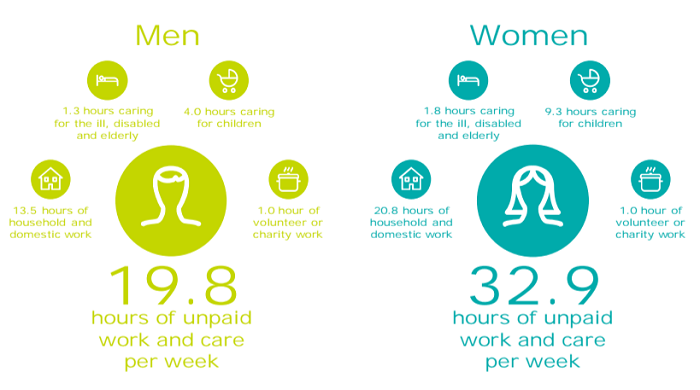
Consider the mental load: remembering birthdays months in advance, curating thoughtful selections, absorbing the emotional fallout when a gift misses the mark. Women do this not because they are naturally inclined to gift-giving, but because society has conditioned them to believe that their worth is tied to their ability to fulfill others’ desires. This is not generosity. It’s a tax—a tax on time, on patience, on emotional bandwidth—imposed by a system that has long treated women as the emotional laborers of the household and beyond.
The Myth of the “Nurturing Female Shopper”
We’ve been sold a narrative: that women are inherently better at gift-giving because they are more empathetic, more attentive, more detail-oriented. This is a convenient fiction. It allows men to opt out while women are left holding the gift-wrapped bag—literally. The truth? Gift-giving is not a biological trait. It’s a social construct, reinforced by marketing campaigns that target women with ads for “perfect” presents, as if their failure to deliver would unravel the fabric of society.
Men, on the hand, are often praised for “thoughtful” gestures when they buy a single, expensive item—say, a watch or a bottle of whiskey—while women are expected to curate entire experiences: matching pajama sets for the family, personalized ornaments for the tree, a curated gift basket for the in-laws. The pressure to perform emotional labor through material goods is disproportionately placed on women, while men are celebrated for minimal effort.
The Corporate Exploitation of Women’s Gift-Buying Habits
Retailers know exactly who their most reliable customers are: women. Every holiday season, brands roll out campaigns designed to exploit this reality. “The perfect gift for her” ads flood social media, while “thoughtful gifts for him” remain vague and undemanding. The message is clear: women are the primary consumers, the ones who will spend hours scrolling, comparing, and ultimately, spending more.
This isn’t just about convenience—it’s about profit. The gift economy is a billion-dollar industry built on the backs of women who feel obligated to participate. From subscription boxes to last-minute Amazon orders, women are the ones footing the bill, both financially and emotionally. And yet, when the receipts pile up and the credit card statements arrive, the blame is placed on them for “overspending,” not on a system that demands their compliance.
The Emotional Toll: When Gifts Become Chains
Gift-giving is supposed to be an act of love, but for many women, it feels like a chain. A chain that binds them to expectations they never agreed to. A chain that tightens every time a birthday approaches, every time a holiday rolls around, every time a coworker casually mentions, “Oh, I forgot to get something for my mom.” Women are expected to remember. To care. To perform. And when they don’t? They’re labeled as “selfish” or “uncaring.”
This emotional labor doesn’t just disappear after the holidays. It lingers in the resentment that builds when women realize they’ve spent years prioritizing others’ happiness over their own. It festers in the guilt when they dare to say, “I’m not doing this anymore.” And it explodes when they recognize that their refusal to participate is met with shock, as if they’ve just announced they no longer believe in love.
A Call to Redistribute the Gift-Buying Burden
The solution isn’t for women to stop giving gifts. It’s for everyone to start sharing the responsibility. Men must step up—not just by buying a single item, but by taking ownership of the entire process: researching, purchasing, wrapping, and delivering. Partners must divide the mental load equitably. Families must normalize the idea that gift-giving is a shared obligation, not a female one.
We must also challenge the language around gift-giving. Stop calling it “thoughtful” when women do it and “generous” when men do. Call it what it is: labor. And labor deserves to be compensated—not just with gratitude, but with equity.
The holidays don’t have to be a woman’s burden. They can be a celebration of shared joy, of mutual effort, of a world where no one is expected to give more than they receive. The first step? Stop assuming women will handle it. Start asking, “Who’s taking care of this?” And then, watch as the chains begin to break.






Leave a Comment