
Imagine your passport as a living document—one that breathes, shifts, and morphs with the tides of bureaucracy, societal expectations, and personal identity. For women, this little booklet is not just a travel permit; it’s a labyrinth of bureaucratic whims, a mirror reflecting the world’s discomfort with fluidity. The name on your passport isn’t just a name; it’s a battleground where tradition clashes with autonomy, where a woman’s identity is treated as a chattel to be renamed upon marriage, as if her existence were a lease to be transferred. This is the absurd, infuriating reality of passports for women—a system that treats female identity as a temporary arrangement, subject to the whims of marital status and national policies.
The Name as a Chainsaw: How Marriage Carves Up Women’s Identities
Picture a woman’s name on her passport as a delicate sculpture, meticulously chiseled over years—only to be dismantled the moment she says “I do.” The tradition of name changes after marriage is not just a quaint custom; it’s a systemic erasure, a declaration that a woman’s identity is secondary to her marital status. This isn’t just about semantics; it’s about power. A passport is supposed to be a sovereign declaration of who you are, yet for women, it often becomes a document of surrender. The name change isn’t a choice—it’s an expectation, a silent demand that she shed her past like a snake shedding skin, all to appease a system that refuses to recognize her as a complete entity without a man’s surname.
Consider the absurdity: a woman can travel the world, build a career, and navigate complex legal systems, yet her passport remains tethered to a tradition that treats her as property. The name on her passport isn’t hers; it’s a borrowed identity, a temporary alias that expires the moment her marriage does. This isn’t just outdated—it’s a relic of a time when women were considered extensions of their husbands, not autonomous beings. The passport, in this context, becomes a tool of control, a way to track her through the labyrinth of bureaucracy, ensuring she never fully escapes the shadow of her marital status.
The Visa as a Gatekeeper: When Women’s Mobility is Conditional
The passport is just the first hurdle. The visa is where the real discrimination unfolds—a gatekeeper that decides who is worthy of crossing borders based on the name they carry. For women, especially those who haven’t changed their names, the visa process can feel like a Kafkaesque nightmare. Bureaucrats scrutinize their documents, demanding proof of identity that aligns with outdated norms. A woman’s maiden name, her birth certificate, her marriage certificate—all become bargaining chips in a system that refuses to accept her as she is.
This isn’t just about convenience; it’s about control. A woman’s mobility is policed by a system that treats her name as a variable, subject to change at the whims of marriage or divorce. If she hasn’t taken her husband’s name, she might face extra scrutiny, as if her identity is inherently suspicious. The visa stamp isn’t just a permission slip; it’s a judgment, a silent declaration that her existence is only valid if it fits neatly into the boxes the system has prepared for her. For women who refuse to conform, the visa process becomes a gauntlet—a series of hoops designed to remind them that their autonomy is conditional.
The Gender Binary in Passports: When Identity is a Spectrum, Not a Box
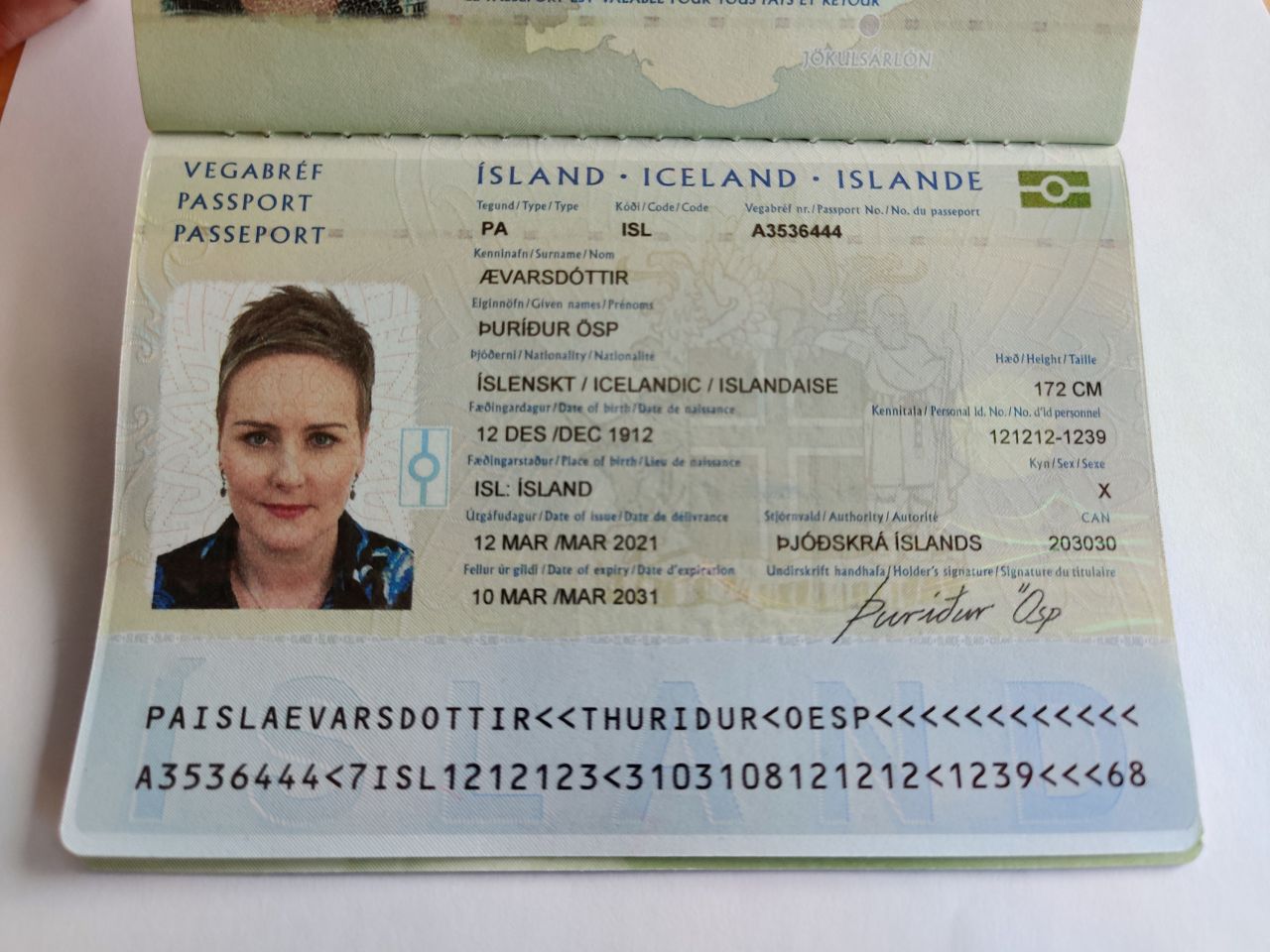
Passports are supposed to be neutral, yet they enforce a binary that doesn’t exist in reality. For transgender and non-binary individuals, the passport is a battleground—a document that either erases their identity or forces them into a box they don’t belong in. The process of changing gender markers is a Kafkaesque ordeal, requiring medical certificates, legal battles, and bureaucratic approvals that treat gender as a fixed, immutable characteristic. This isn’t just about paperwork; it’s about erasure. A passport that misgenders someone isn’t just incorrect—it’s a violation, a daily reminder that the state refuses to recognize their existence.
For women who don’t fit the mold—whether they’re transgender, non-binary, or simply refuse to change their names—the passport becomes a symbol of systemic oppression. It’s a document that demands conformity, that punishes deviation, and that treats identity as a privilege rather than a right. The irony? A passport is supposed to be a tool of freedom, yet for many women, it’s a shackle—a reminder that their identity is only valid if it fits into the narrow confines of tradition.
The Cost of Conformity: When Women Pay the Price for Bureaucratic Convenience
The system isn’t just inconvenient—it’s expensive. For women who change their names after marriage, the cost of updating passports, visas, and other legal documents is a financial burden that men rarely face. Every stamp, every signature, every bureaucratic hurdle comes with a price tag, a silent tax on women’s autonomy. The system is designed to make conformity the path of least resistance, ensuring that women bear the brunt of the administrative chaos that follows a name change—or the refusal to change it.
This isn’t just about money; it’s about time. The hours spent navigating government websites, filling out forms, and waiting in lines are hours stolen from women’s lives. It’s a reminder that the system doesn’t work for them—it works against them. For every woman who fights the bureaucracy, there’s another who gives up, who accepts the erasure of her identity just to avoid the hassle. The cost of conformity isn’t just financial; it’s emotional, a daily reminder that her identity is negotiable, that her existence is secondary to the convenience of the system.
The Future of Passports: A Call for Autonomy, Not Tradition
The passport of the future must be a document of liberation, not oppression. It must recognize that a woman’s identity isn’t a lease to be transferred, that her name isn’t a variable to be adjusted at the whims of tradition. The system must evolve—recognizing maiden names, allowing multiple name options, and eliminating the gender binary that erases so many identities. The passport should be a tool of freedom, not a cage of bureaucracy.
Until then, women will continue to navigate a labyrinth of outdated norms, their identities policed by a system that refuses to recognize their autonomy. The passport will remain a symbol of control, a reminder that their existence is conditional. But change is possible. The fight for inclusive, autonomous passports is a fight for women’s rights—a fight to reclaim their identities from the clutches of tradition. The future of travel shouldn’t be a battleground; it should be a celebration of who we are.







Leave a Comment