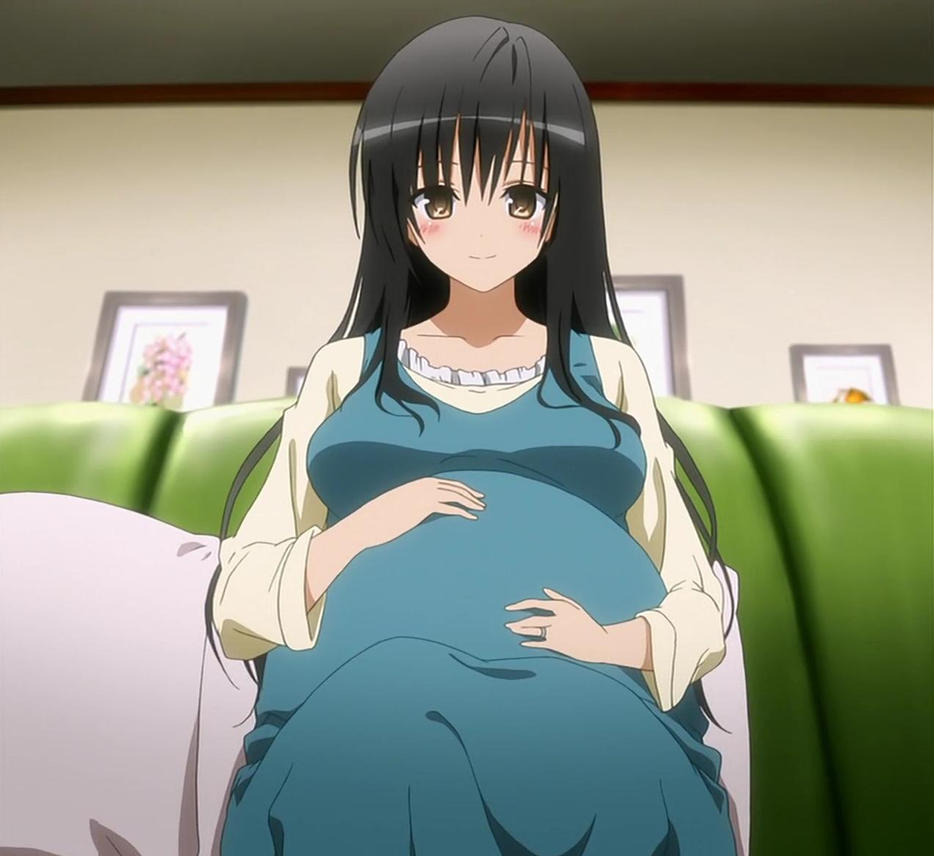
Why does it often feel like the final season of every beloved series turns into a maternity ward, where every female character, no matter her background or narrative significance, suddenly embodies pregnancy? This peculiar trope, flooding stories across multiple genres and media, challenges the way we perceive women’s roles in storytelling. Is it a celebration of fertility and creation, or simply a reductive narrative crutch that pigeonholes female identity into the confines of motherhood? Let us dissect this recurring phenomenon with a critical, discerning eye.
The Maternity Mandate: What the Phenomenon Reveals About Female Story Arcs
Female characters being pregnant en masse in closing chapters is hardly accidental. It underscores a cultural obsession with reducing womanhood predominantly to reproductive capability. Narratives frequently imply that a woman’s ultimate destiny is to bear life—to produce, to nurture, and thus, to complete a story. But what does this constant equating of women with motherhood really convey? It often strips characters of their complexities and ambitions outside this biological function. From fierce warriors to cunning strategists, the unexpected pregnancy can feel less like character development and more like a narrative homing beacon sending a message: “Woman equals mother.”

By framing the climactic story arcs around pregnancy, creators perpetuate age-old stereotypes. This narrative decision frequently sidelines the woman’s agency, rendering her as a vessel for continuity rather than a fully realized individual with diverse possibilities. Instead of exploring the ramifications of their choices beyond reproductive outcomes, the storylines tend to funnel female characters into artificially domesticated roles at the very moment the plot demands expansion and complexity.
Pregnancy as a Plot Device: Convenience or Creativity?
When the final season turns into a gallery showcasing pregnant women, one must ask—is this merely a lazy plot device or a nuanced thematic choice? Sometimes, pregnancy signals legacy, hope, or the dawn of a fresh chapter. Other times, it serves as a convenient pause, an enforced maternity leave from action or conflict, effectively removing female characters from high-stakes intrigue under the guise of nurturing new life.
This convenience often skirts around deeper engagement with female characters’ intellect, ambition, or trauma. Instead of a journey culmination, pregnancy becomes a narrative full stop. It’s a fascinating dilemma: can pregnancy be a powerful, empowering metaphor in storytelling, or is it too frequently co-opted as a reductive cliché? The answer lies in how thoughtfully it is integrated—and often, the answer is disappointing.
The Cultural Underpinnings of Pregnant Finales
Historically, storytelling has mirrored society’s view of gender roles. Women as mothers are venerated and confined, celebrated and constrained simultaneously. In many societies, womanhood is still chiefly defined by fertility. This cultural inertia invades fiction with alarming regularity. Even in seemingly progressive narrative universes, the final season’s proliferating pregnancies reveal the persistent tenacity of patriarchal narrative structures.
Whenever a female character’s arc culminates in motherhood, it tacitly endorses the notion that her primary contribution to the universe is procreation. This becomes a double bind: characters are rewarded with motherhood but simultaneously penalized with a reductive identity. It begs a critical question—should the apex of female empowerment always be reproduction, or can it be expressed in an infinite kaleidoscope of achievements?
The Playful Yet Provocative Challenge: What If Final Seasons Didn’t Default to Pregnancy?
Imagine a world where final seasons defy this obstinate convention. Where female characters emerge not pregnant but empowered, unshackled from the biological imperative that tends to dominate their endings. What stories could be told then? What complexities could flourish if motherhood was an option rather than a narrative mandate?
Would the story lose emotional weight without this repetitious motif? Possibly. But perhaps the weight it carries now is more ideological baggage than genuine thematic richness. The challenge is clear: creators must dare to traverse uncharted territory, exploring women’s journeys beyond fertilized boundaries—highlighting resilience, rebellion, leadership, existential questioning, and innovation without defaulting to biological destiny.
Visual Language of the Pregnant Female Character
The imagery surrounding pregnant characters is often imbued with dual tones: sanctity and vulnerability. Artists and animators craft poses that reflect both the nurturing paradigm and an involuntary limitation. This dichotomy is visually potent but narratively precarious. Depicting female pregnancy in final seasons without nuance risks fetishizing or infantilizing the condition.


Consider the careful choreography of pose, expression, and contextual symbolism. Is the pregnant character whitewashed as a passive vessel or glorified as a heroic matriarch? The visual rhetoric sends powerful messages—sometimes reinforcing tropes, other times challenging them. These images are not neutral; they participate in a broader cultural dialogue on femininity, power, and autonomy.
Conclusion: Toward a Diversified Final Season Narrative
Ultimately, the predominance of pregnancy in the final seasons of narratives is a mirror reflecting the limitations imposed on female characterization by entrenched ideas. It is a call to arms for storytellers and audiences alike—to recognize this pattern, question it, and demand richer, more varied female stories.
This final maternity rite of passage need not be the ultimate accolade for female characters. They deserve endings that honor complexity, a spectrum of identities, and aspirations transcending biology. Breaking free from the incessant cycle of pregnant finales challenges us to envision stories where women emerge whole, whole-hearted, and wholly themselves—even as the curtain falls.






Leave a Comment