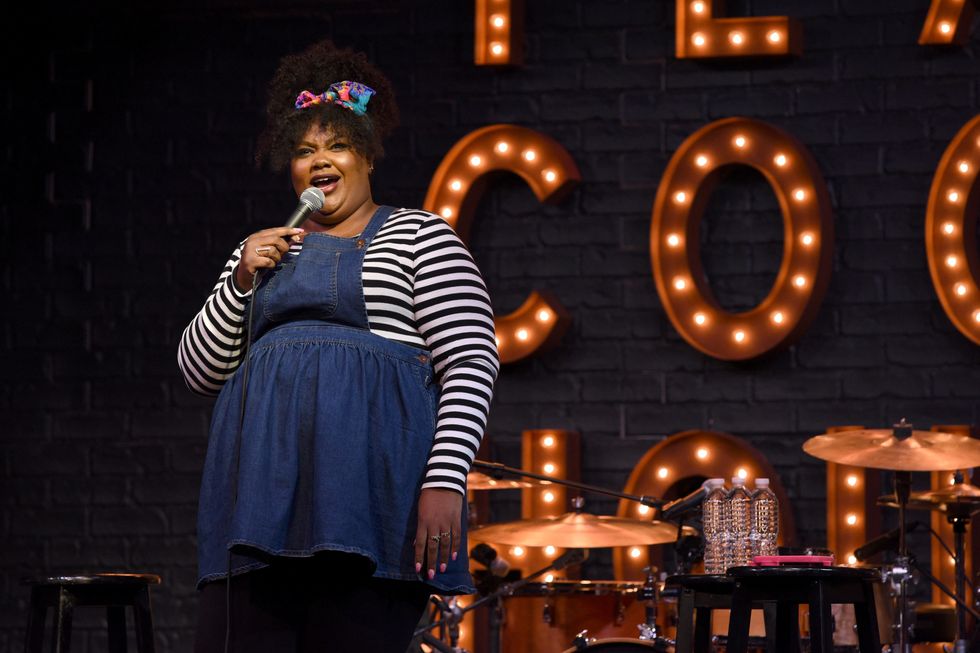
Netflix, the titan of streaming, is a cultural behemoth shaping what millions consume daily, including comedy specials that define public humor. But beneath the surface of laughter and lightheartedness lies a glaring inequality—female comedians remain drastically underrepresented compared to their male counterparts. This disproportion isn’t a mere oversight; it’s a glaring symptom of entrenched industry biases that perpetuate outdated norms. Delving into the numbers reveals a disturbing trend that demands urgent attention and re-evaluation. The ratio of female to male comedians on Netflix is not just bad; it’s indicative of systemic stereotyping that throttles female voices in the comedy space.
The Illusory Equality of Comedy on Streaming Platforms
At first glance, Netflix seems to champion a diverse slate of comedians, boasting several acclaimed female performers alongside a plethora of male talents. However, a closer examination exposes that female comedians constitute only a fraction of the comedy specials available. The imbalance is not subtle; it’s glaring. From the countless male-dominated rosters to the prominence of male headliners, the platform inadvertently—or perhaps negligently—sanctions a male-centric narrative. This numeric deficiency sends a pernicious message: women’s humor is less marketable, less palatable, or somehow less worthy of airtime.
Comedy, as a medium of cultural expression, is not spared from gendered hierarchies. Comedy specials on Netflix, predominantly featuring men, exemplify the residual gatekeeping that keeps female comedians on the periphery.
Unpacking the Roots of the Disproportion
The disproportion is not coincidental—it is embedded in a historical and cultural undercurrent that minimizes female voices especially in genres demanding “universal” appeal, which ironically, has always been coded as male appeal. Female comedians often grapple with reductive frameworks: their humor is commodified as niche, their stories devalued as anecdotal rather than universally resonant. This devaluation translates into fewer opportunities and lesser investment by producers and networks.
Moreover, systemic sexism within the comedy ecosystem percolates from the early stages of career development to mainstream platforms. From hurdles in getting stand-up gigs to challenges in breaking through the male-dominated writers’ rooms, the pipeline narrows women’s chances of accumulating the exposure necessary for lucrative Netflix specials.
What The Numbers Tell Us: The Stark Ratio
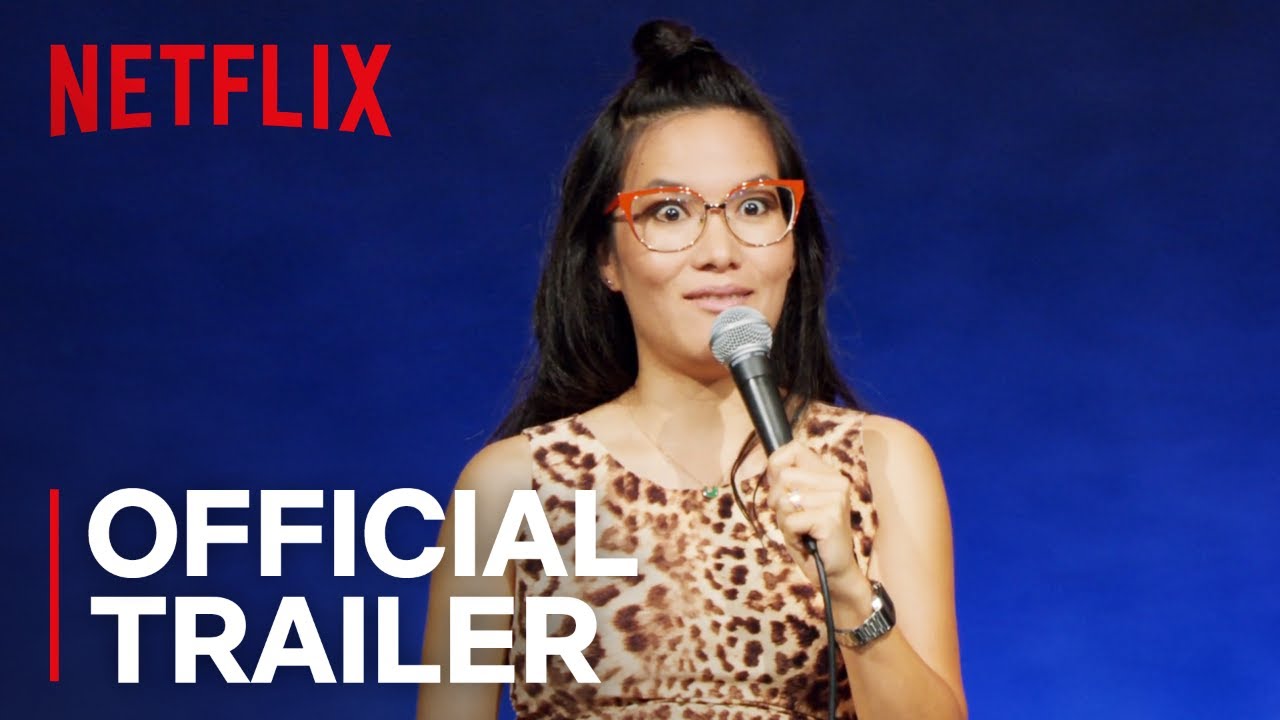
A detailed scrutiny of Netflix’s comedy specials reveals a stark numerical gap. For every female comedian featured, there are multiples of male comedians. While the platform does highlight celebrated female talents—those who have broken through the glass ceiling—the overall ratio remains woefully lopsided. The paucity of female-led specials is not just a problem of representation, but a profound denial of diverse comedic perspectives that could enrich the art form profoundly.
This disparity isn’t confined to the volume of specials but extends to promotional emphasis, special placement, and budget allocations. Male comedians command prime billing and larger marketing pushes, effectively widening the visibility chasm between genders.
The Cultural Implications of a Skewed Comedy Landscape
Comedy shapes societal narratives; it reflects and challenges cultural norms. When female comedians are sidelined, the cultural discourse becomes imbalanced. The lived experiences, wit, and critical perspectives women bring remain muffled, narrowing the cultural lens through which humor—and by extension, reality—is interpreted.
Humor effectuates social commentary. Female comedians often tackle taboo subjects—gender politics, sexual autonomy, systemic oppression—with incisive candor and unique flair. Their exclusion deprives audiences of this critical mirror and perpetuates a monolithic comedic worldview that sidelines half the population’s experiences and insights.

Simply put, a comedy ecosystem that marginalizes female voices sustains cultural myopia. It denies a more nuanced and inclusive reflection of society, reinforcing antiquated stereotypes under the guise of entertainment.
Why This Matters: Beyond Entertainment
Comedy is more than laughter—it’s a battleground for representation, empowerment, and discourse. When platforms like Netflix fail to proportionately showcase female comedians, they aren’t just skewing a content roster; they are contributing to ongoing marginalization in media industries. This invisibility ripples outward, affecting aspiring female comedians who see fewer role models and fewer doors opening for them.
Furthermore, the disparity perpetuates a feedback loop: fewer specials mean fewer audiences exposed to female comedic voices, which feeds back into perceived marketability challenges, justifying continued exclusion. This cycle stalls progress and fortifies entrenched patriarchal dynamics.
A Call for Transformation: Reimagining Comedy Representation
Addressing this imbalance requires deliberate action, not just passive hope. It calls for dismantling outdated industry perceptions and investing in diverse comedic talents actively. Producers, streaming platforms, and viewers alike have roles to play in demanding equitable representation and showcasing the multiplicity of female comedic voices.
Imagine a comedy landscape where female stories are not exceptions but integral to the tapestry. One where diversity is celebrated not as a quota but as a creative imperative fueling innovation and cultural insight. The shift may begin with recognizing uncomfortable truths—that the current ratio is unequivocally bad and an urgent catalyst for change.
Conclusion: The Promise of a More Equitable Stage
The numbers are sobering, but they also illuminate potential—a roadmap for recalibration. Unearthing and acknowledging the inequality in Netflix’s comedy specials unlocks the first step toward equitable representation. It is a clarion call to the industry and audience to demand, support, and nurture female comedians boldly and unapologetically.
The stage is set, the spotlight ready; now it’s time to rewrite the comedy narrative with inclusivity at its core. Because when women’s voices rise in comedy, everyone hears the richer, more resonant truths of our shared humanity.









Leave a Comment