
What if the elusive “beauty sleep” women are urged to chase isn’t merely about vanity, but a desperate act of resistance against relentless societal expectations? Could it be that beneath the soft glow of retouched selfies and Instagram filters lies an exhaustion deeper than skin, one wrought by unyielding beauty standards and the cognitive burden of navigating them? Perhaps the most radical beauty ritual women need today is rest—a restorative fury against the ceaseless demands imposed on their bodies and minds.
The Tyranny of Ever-Shifting Beauty Ideals
Society’s definition of female beauty is a labyrinthine maze that constantly morphs, leaving women scrambling to keep pace. Yesterday’s radiant glow is today’s tired skin; last season’s silhouette morphs into another year’s unattainable archetype. This relentless flux isn’t arbitrary. It is a mechanism of control disguised as aspiration, dictating how women should look, move, and even breathe. Amid this cultural maelstrom, women find themselves not merely judged but dissected, their worth tethered to impossible benchmarks that demand superhuman energy to meet.
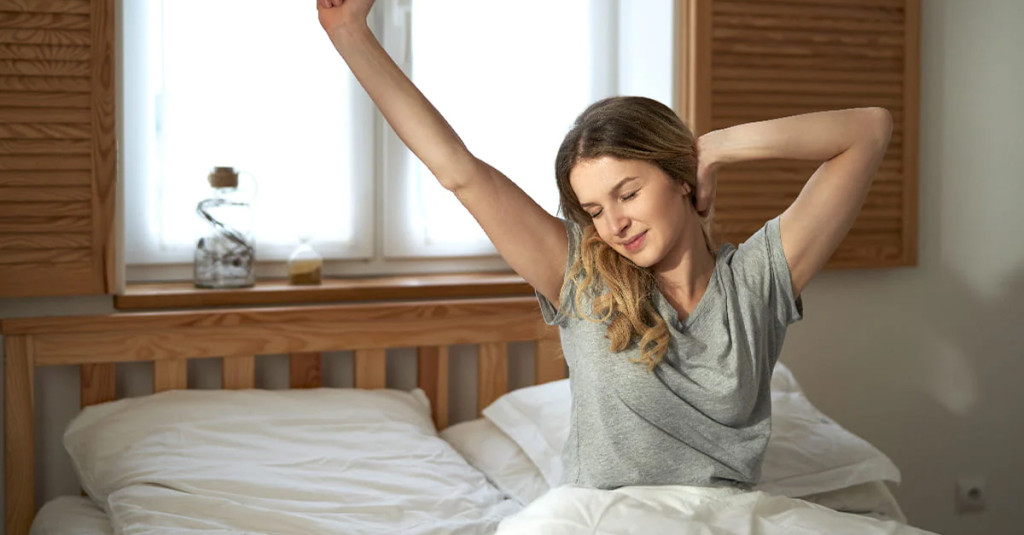
Trying to embody a transient ideal is exhausting. The pressure to present a polished self—exuding effortless allure while balancing the chaos of daily life—forces women into constant performance mode. This ceaseless striving chips away at mental and physical reserves, turning beauty into a battlefield of fatigue.
Beyond Skin Deep: The Cognitive Exhaustion Women Endure
Have you ever pondered why women consistently report higher levels of fatigue and sleep disturbances than their male counterparts? This disparity transcends biology—it is an indictment of cultural expectations that commandeer not just appearance but intellect and emotional labor. Women expend immense cognitive bandwidth managing how they are perceived, anticipating judgments, and recalibrating their behavior to fit societal norms.
This mental choreography—always on, always vigilant—exacts a toll. The brain’s relentless engagement in impression management leads to diminished restorative sleep, undermining health and well-being. The notion that women require more sleep isn’t a quaint stereotype but a physiological response to this invisible burden. It is, in essence, the brain’s plea for sanctuary from the ceaseless mental gymnastics imposed by external standards.
The Physical Manifestations of Psychological Strain
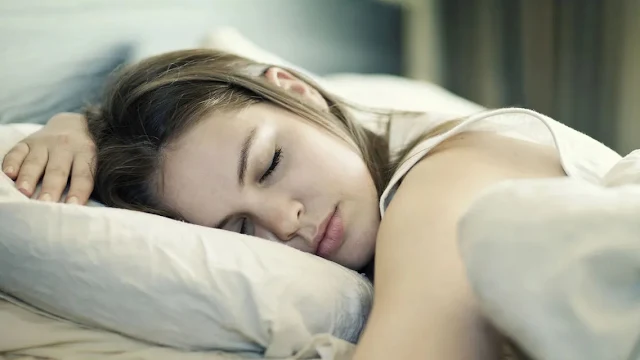
Fatigue isn’t always visible, yet its physical manifestations speak volumes. Chronic sleep deprivation undermines skin elasticity, dulls the eyes, and sows the seeds for premature aging. Paradoxically, women are bombarded with messages linking appearance to success and happiness—necessitating flawless looks—while their very standards ensure sleep is the first casualty.
This self-defeating cycle breeds insomnia and stress-related ailments, perpetuating a healthcare paradox: the pursuit of beauty, as dictated by societal norms, diminishes the capacity to rest, which in turn degrades the authenticity and vibrancy that true beauty demands. The body becomes a battlefield, fracturing under pressure, while the elusive “glow” remains just out of reach.
Rest as Rebellion: Redefining Beauty Sleep
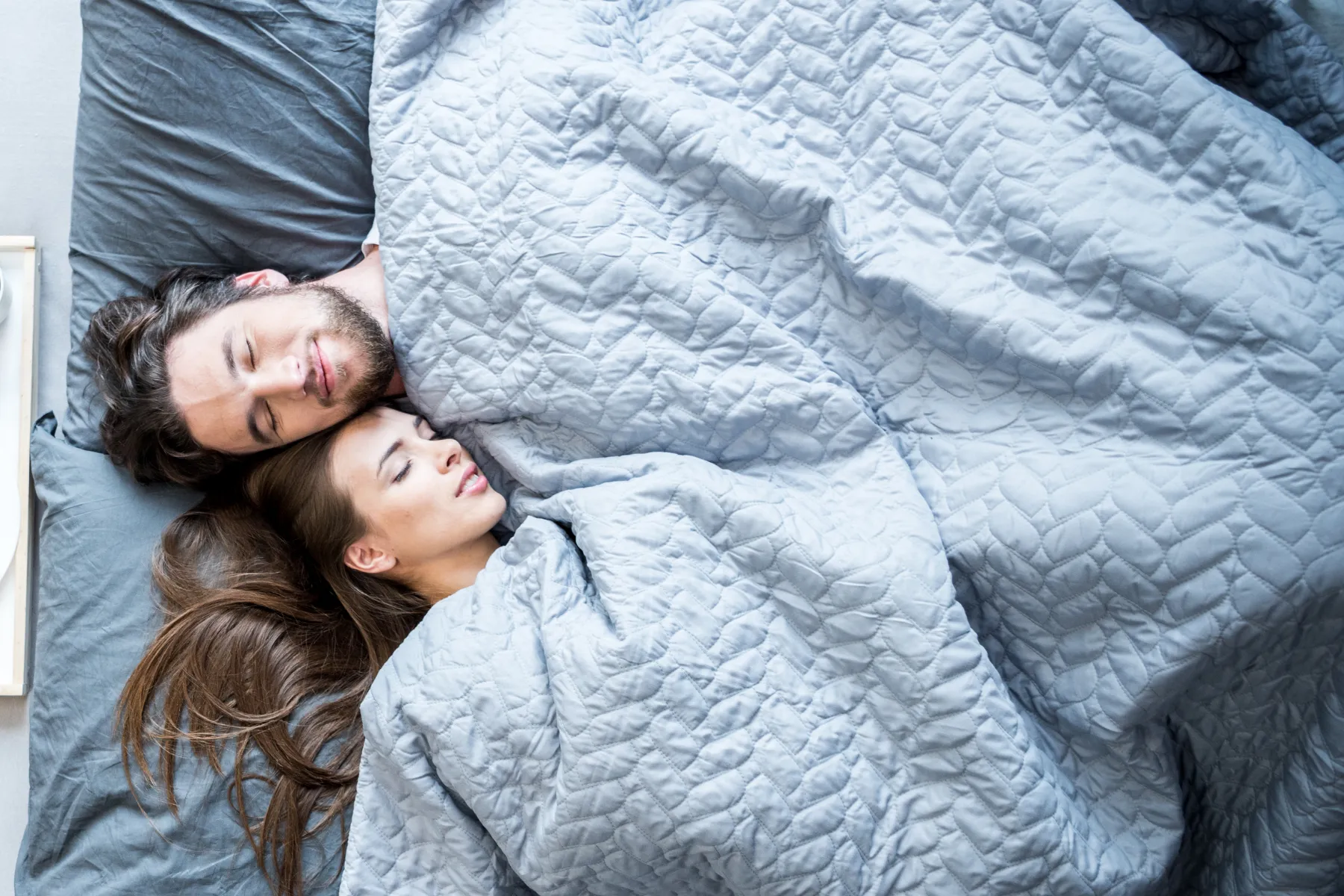
What if reclaiming rest was the most subversive act a woman could undertake today? Reclaiming sleep is not languid indulgence but a radical assertion of autonomy. It defies the narrative that women are mere canvases for cultural fantasy and instead re-centers the individual’s well-being as a priority.
In this light, “beauty sleep” morphs from a trivial cliché into a potent form of self-care—a deliberate refusal to be drained by external dictums. It’s about restoring the nervous system, replenishing the soul, and nurturing the body with the reverence it deserves rather than punishing it with deprivation and discontent.
This paradigm shift demands systemic change: dismantling the unrealistic standards, fostering environments that support mental health, and advocating for the recognition of women’s multifaceted exhaustion, both physical and cerebral.
Challenging the Status Quo: Society’s Role in Women’s Exhaustion
The burden of beauty isn’t shouldered by women alone; it is a societal imposition that thrives on silence and complicity. Thus, accountability rests with everyone who perpetuates unrealistic ideals via media, advertising, and everyday interactions. Only by challenging the archetypes, embracing diversity, and dismantling patriarchal paradigms can there be space for authentic rest and, ultimately, authentic beauty.
Progressing beyond token gestures requires cultural reckoning. It means amplifying narratives that honor genuine lived experiences over commodified aesthetics. It involves educating future generations that beauty is not a mandate but a mosaic—dynamic, inclusive, and deeply humane.
Embracing the Feminist Power of Sleep
In the pursuit of equality, let sleep be a weapon against oppression. Let it symbolize defiance against the commodification of women’s bodies and a reclamation of sovereignty over one’s time and health. By embracing rest—not as an afterthought but as a foundational right—women invest in their agency, creativity, and strength.
Beauty sleep, then, becomes an act of empowerment, a defiant pause in a world that demands relentless productivity. It is an intimate protest, whispered in the quiet dark, that says: I am more than a standard; I am enough as I am.





Leave a Comment