How does a pink plastic doll, a figure synonymous with childhood innocence and stereotypical femininity, ignite a wildfire of cultural debate in the digital age? The release of the Barbie movie didn’t just captivate audiences; it shattered the internet, provoking battles that were as colorful as the iconic doll’s signature shade. Was it merely a cinematic spectacle, or did it unearth deeper societal fissures? Let’s unravel the saga of how Barbie, once a symbol of simplistic fantasy, became a contentious battlefield for identity, feminism, and cultural critique.
The Curious Case of Barbie: More Than Just a Doll
Barbie has long been emblematic of an idealized womanhood—immaculate, poised, and dare we say, unattainable. For decades, she perched atop dressers and inside toy boxes, silently narrating tales of fashion and beauty that left countless girls wondering if the gateway to womanhood was a high heel or a flawless facade. Fast forward to the film adaptation, and Barbie’s transition onto the big screen was poised to be a reimagination, an injection of contemporaneity into an antiquated icon. Yet, rather than consensual admiration, the movie unleashed a pandemonium of discourse. What does it say when a simple character can stir such profound tensions?

Pink, Feminism, and the Underlying Tensions
The Barbie movie found itself unwittingly at the crossroads of feminist debate. On one hand, it aimed to reclaim Barbie not as a regressive stereotype but as a symbol of empowerment—asserting autonomy, breaking glass ceilings, and celebrating diversity. On the other, critics lambasted it for glossing over the doll’s historically problematic narrative: a relentless promoter of unrealistic standards that have haunted generations. This dichotomy begged the question: can a pop culture icon born out of patriarchal constructs be retrofitted into a feminist totem without erasing its contentious origins?
A Meme-volution: How the Internet Reacted
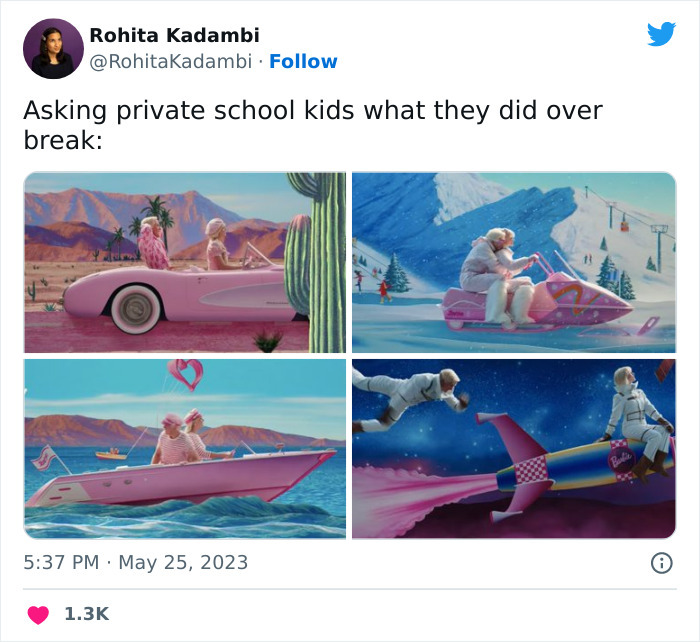
In the age of viral content, no cultural phenomenon avoids the scorching rays of internet memes. The Barbie movie’s release was no exception. The floodgates opened as social media users swarmed to reinterpret, parody, or celebrate the film’s themes. Memes oscillated between adulation and cynicism—some hilariously deconstructing Barbie’s flamboyant aesthetics, others roasting the film’s perceived superficiality or ideological muddle. These bite-sized cultural critiques transformed the discourse into a digital playground where serious concerns mingled with satire and absurdity.
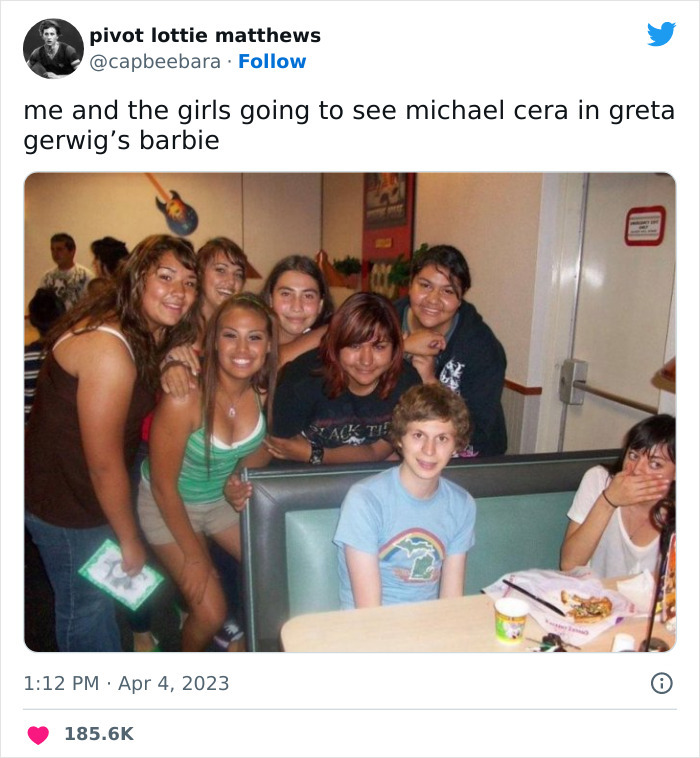
Memes became a dialectic, a rapid-fire exchange that encapsulated the cultural zeitgeist around Barbie’s cinematic iteration.
Race, Representation, and the Spectrum of Inclusion
Behind the glitter and gloss, one of the most pivotal discussions revolved around representation. The toy industry, Barbie included, has historically been criticized for its lack of racial and body diversity—a narrow lens that marginalized many identities. The movie attempted a corrective, showcasing a spectrum of skin tones, body types, and personalities. Yet skepticism lingered. Was this inclusion performative, a marketing stratagem to placate modern sensibilities? Or was it a genuine step toward dismantling the rigid molds of beauty? The debate hinted at broader societal struggles: the challenge of authentic representation versus commodified diversity.
Consumerism and the Pink Capitalism Critique
Barbie’s colorful empire is no stranger to capitalism’s machinery, especially its pink wardrobe. The movie’s commercial success simultaneously highlights the insidious nature of “pink capitalism” —where femininity is co-opted and sold back to consumers as a packaged ideal, sanitized and shiny. The film walked a razor’s edge, celebrated as a feminist triumph yet critiqued as a commodified spectacle, raising the enigmatic question—can feminist narratives survive intact within the clutches of capitalist appetites?
The Backlash and the Gender Wars Online
With Barbie as a symbolic battleground, the internet erupted into what might be dubbed “gender wars.” Detractors accused the film of pandering or promoting a diluted feminism—one that neither champions radical change nor confronts systemic sexism. Conversely, defenders accused critics of misogyny or an aversion to female-centric stories. The polarity of reactions exposed not only the fractures within feminism itself but also the volatile terrain of gender identity in the digital era. Barbie was no longer a character; she was a proxy for larger cultural anxieties and ideological skirmishes.
What Does Barbie’s Internet Storm Reveal About Society?
The fervor surrounding the Barbie movie serves as a cultural litmus test. It reveals a complicated matrix where nostalgia, identity politics, commercialization, and feminist ideals collide. Far from being an isolated phenomenon, this uproar invites us to scrutinize how society negotiates change. Are icons like Barbie adaptable vessels of progress, or shackles of outdated fantasies? The internet’s cacophony around the film reflects a collective unease—with history, with present complexities, and with future possibilities.
The Enduring Legacy: Barbie After the Storm
Regardless of the multitude of arguments ignited, the Barbie movie has undoubtedly catalyzed essential cultural conversations. It forced both admirers and critics to confront uncomfortable questions about womanhood, representation, and the power of media narratives. In this sense, Barbie’s pink reign might have fractured the internet, but it has opened the door to critical reflection—an opportunity to reimagine what Barbie, and by extension, femininity, could mean in the 21st century.
So, beyond the memes, controversies, and polarized opinions, one playful yet crucial question remains—can a doll that once epitomized cookie-cutter femininity evolve into a vessel of empowerment? Or will Barbie always be entangled in the contradictions she embodies? The internet’s fracture lines suggest we have only just begun to find out.







Leave a Comment