
Have you ever wondered why, despite the leaps and bounds in gender equality, some rooms still echo with a singular female voice? Why does the glaring spotlight so often fall on the one woman in an engineering class, rather than the two dozen men who fill the desks? This curious paradox isn’t just a statistic; it’s a narrative shaped by deep-rooted societal, cultural, and institutional forces. Her thesis—illuminating why she stands alone among her male peers—dissects the labyrinthine barriers women confront in the STEM world. Let’s venture into this provocative exploration, peeling back the layers that sustain this persistent gender disparity.
The Quiet Whisper of Stereotypes and Their Loud Roar
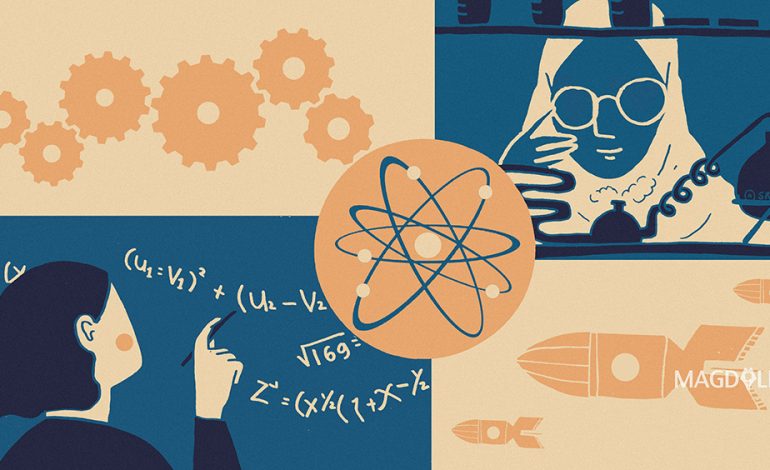
Step into any engineering lecture hall, and you may notice an invisible script playing out—one written long before the semester begins. Stereotypes about women and engineering aren’t just idle rumors or remnants of a bygone era. They’re potent narratives that seep into childhood imaginations, shaping interests and ambitions before students even arrive on campus. The stereotype that engineering is a “man’s domain” quietly but persistently dictates who feels welcome or alienated.
When she entered her class, the echo of this stereotype was palpable. Subtle glances, well-meaning but misguided comments, and an array of microaggressions created an atmosphere where belonging required Herculean effort. These societal myths don’t just deter women from pursuing engineering; they establish a false hierarchy of competence, often questioning women’s technical aptitude on a subconscious level. This bias, silently ingrained, sows seeds of doubt that metastasize into attrition and isolation.
Educational Gatekeeping: Not Always Overt but Ever Present
Beyond societal stereotypes lies an ecosystem within educational institutions that, whether by design or neglect, engages in gatekeeping. The journey of she—the solitary woman in the cohort—was punctuated with encounters that revealed an academic culture more attuned to preserving tradition than fostering inclusivity. Curriculum biased towards male-centric examples, lack of female mentors, and teaching approaches indifferent to gender dynamics transform classrooms into gatekeepers rather than gateways.
The absence of women in faculty positions compounds this effect. Without role models who reflect their experiences, female students face the daunting task of navigating an environment where their very presence is a challenge to the status quo. The psychological toll is substantial; imposter syndrome flourishes in these barren academic landscapes, convincing even the brightest women that they are anomalies rather than rightful participants in the engineering discourse.
Socioeconomic Undercurrents and Cultural Constraints
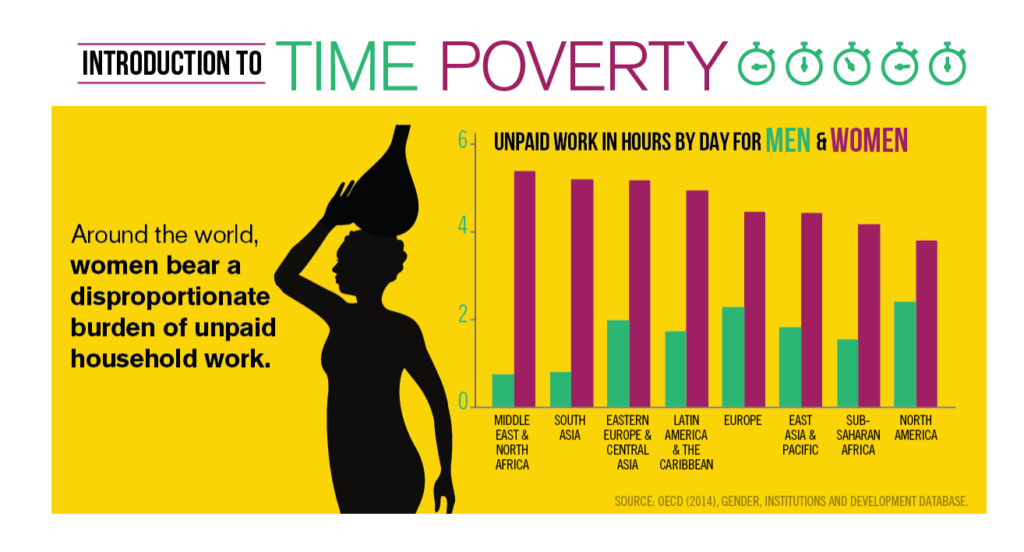
Her story unfurls against a broader backdrop of socioeconomic and cultural currents that shape life trajectories long before college. Expectations embedded in family structures, community norms, and societal imperatives wield formidable influence. For many young women, the path of engineering is barricaded by explicit or implicit warnings: “Is this suitable for you?” or “Why not something less demanding?” Cultural perceptions of femininity and success often steer women away from the rigorous demands of an engineering degree.
Moreover, economic disparities compound difficulties. Access to quality pre-university STEM education remains uneven, disproportionately affecting girls in marginalized communities. These barriers conspire to restrict the pool of female candidates who even dare to dream of engineering, rendering her solitary status less a personal anomaly and more a symptom of systemic exclusion and neglect.
The Challenge of Cultural Conditioning Within Peer Dynamics
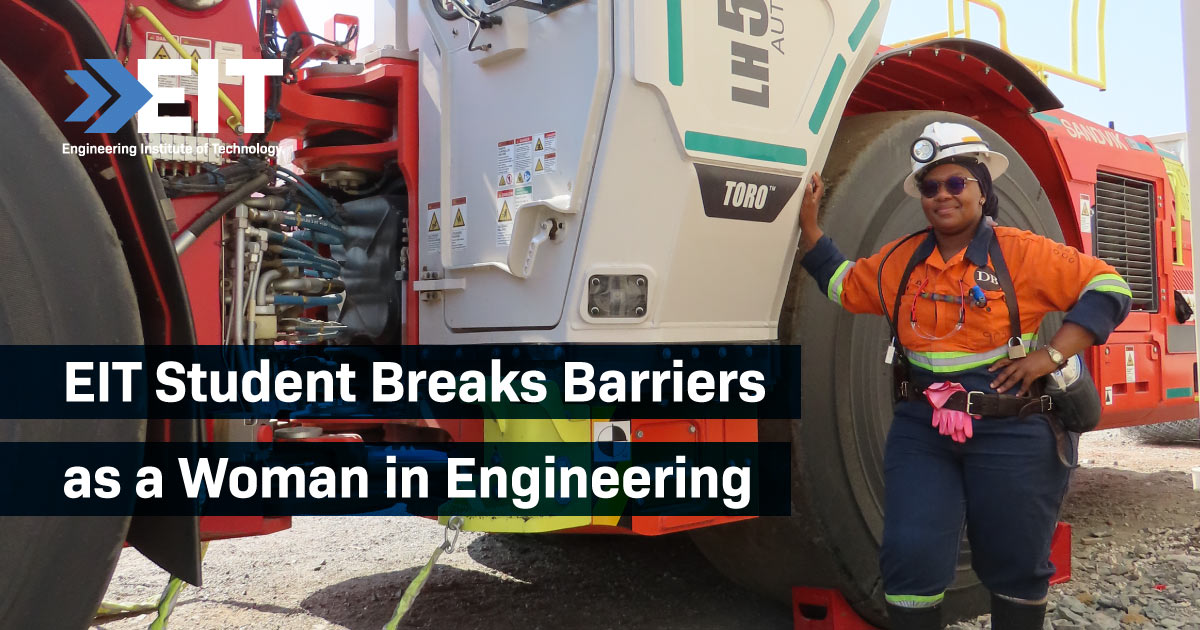
It’s tempting to treat the classroom as a neutral zone, but peer dynamics are saturated with cultural conditioning that perpetuates gendered divides. In her experience, camaraderie and collaboration were often impeded by unconscious biases and ingrained social scripts. Male classmates, consciously or not, gravitated towards all-male cliques or relegated female participation to peripheral roles. This social segmentation exacerbated feelings of otherness.
Competitive environments exacerbate these fractures. Where collaboration should thrive, competition can become a tool for gatekeeping—masquerading as meritocracy but often skewed by the invisible hands of gender bias. The persistent question remains: How do women break into these tightly knit networks when the rules of engagement were penned without consideration of their presence?
Redefining Engineering: The Imperative for Inclusive Reimagining
If the pillars supporting female exclusion are this entrenched, how can the narrative be rewritten? The passive acceptance of gender homogeneity in engineering classrooms must give way to proactive transformation. Redefining engineering isn’t merely about increasing numbers; it involves reconceptualizing the culture, values, and pedagogies that sustain the discipline. This reimagining beckons educators, institutions, and society at large to embrace pluralism—not as a checkbox exercise but as a foundational ethos.
Integral to this is the amplification of female voices within engineering. Celebrating achievements, creating mentorship networks, and embedding gender studies into STEM curricula are essential. More than that, it requires the courage to confront entrenched biases, reexamine what constitutes ‘engineering brilliance,’ and dismantle the archetypes that discredit female potential.
Her Thesis: A Call to Action Wrapped in Resolve
Her thesis is not merely a scholarly attempt to explain why she was the only woman in her engineering class. It is a clarion call—defiant, urgent, and unyielding. It demands recognition of the multifaceted, often invisible forces that collude to preserve the gender imbalance. It insists that true equity requires dismantling structural impediments, challenging cultural narratives, and reconstructing educational paradigms.
More than anything, it embodies hope—that professionals, academics, policymakers, and students themselves will interrogate assumptions, disrupt patterns, and commit to fostering environments where the solitary woman in the room becomes the first of many, not the last.








Leave a Comment