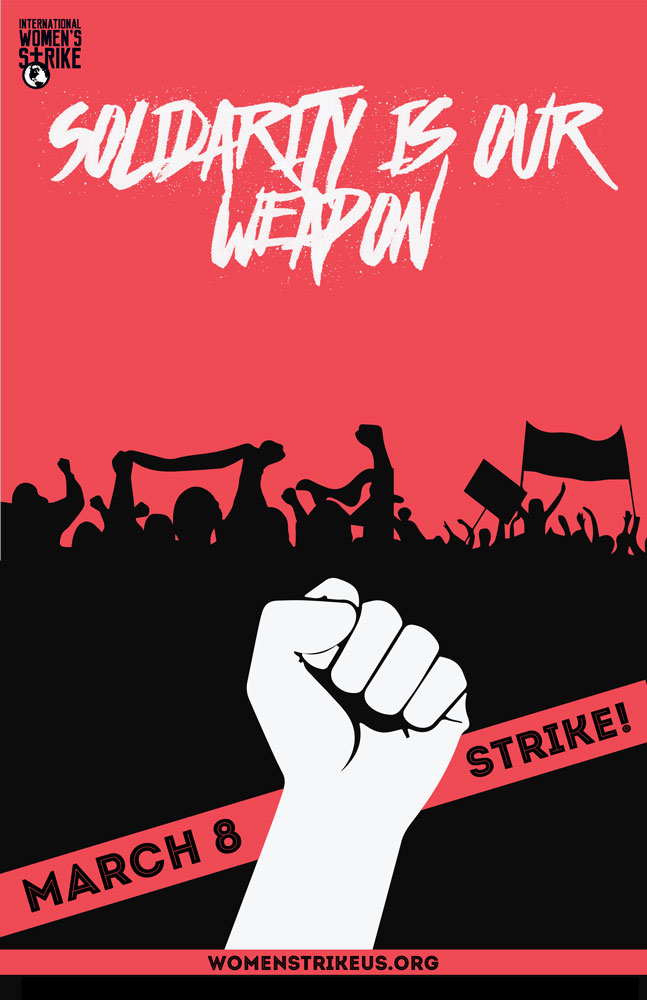
What does it take to halt a city bustling with relentless commerce, traffic, and noise? Imagine a single call to action rippling through every corner—from bustling office towers to quiet suburban homes—uniting women from all walks of life in an unprecedented standstill. This was no ordinary protest. This was a strike that dared to question the very fabric of society’s dependence on women’s labor and presence. When she organized a women’s strike, her city didn’t just pause; it shuttered. Streets emptied, workplaces fell silent, and the world was forced to reckon with what happens when women step away from their assigned roles and refuse to return without change.
The Genesis of Defiance: From Frustration to Mobilization
It all began with a fundamental question: what if women stopped participating—not just in visible roles, but in every aspect where their work and care underpin society? The challenge is deceptively simple in wording but Herculean in execution. For too long, women’s contributions—paid and unpaid—have been undervalued, ignored, or outright exploited. Yet, this strike was not merely about demanding equality or recognition. It was a radical reclamation of power, an unyielding demand to rewrite societal contracts in which women had been silent partners for far too long.
Mobilization was no accident. It was the product of tireless strategizing, leveraging networks, social media, grassroots activism, and sheer magnetic leadership. Against the backdrop of systemic misogyny and economic disparity, her call echoed louder than anyone anticipated. It wasn’t just a protest; it was a seismic shift that redefined civic engagement.
Disrupting the Status Quo: The City’s Unlikely Pause
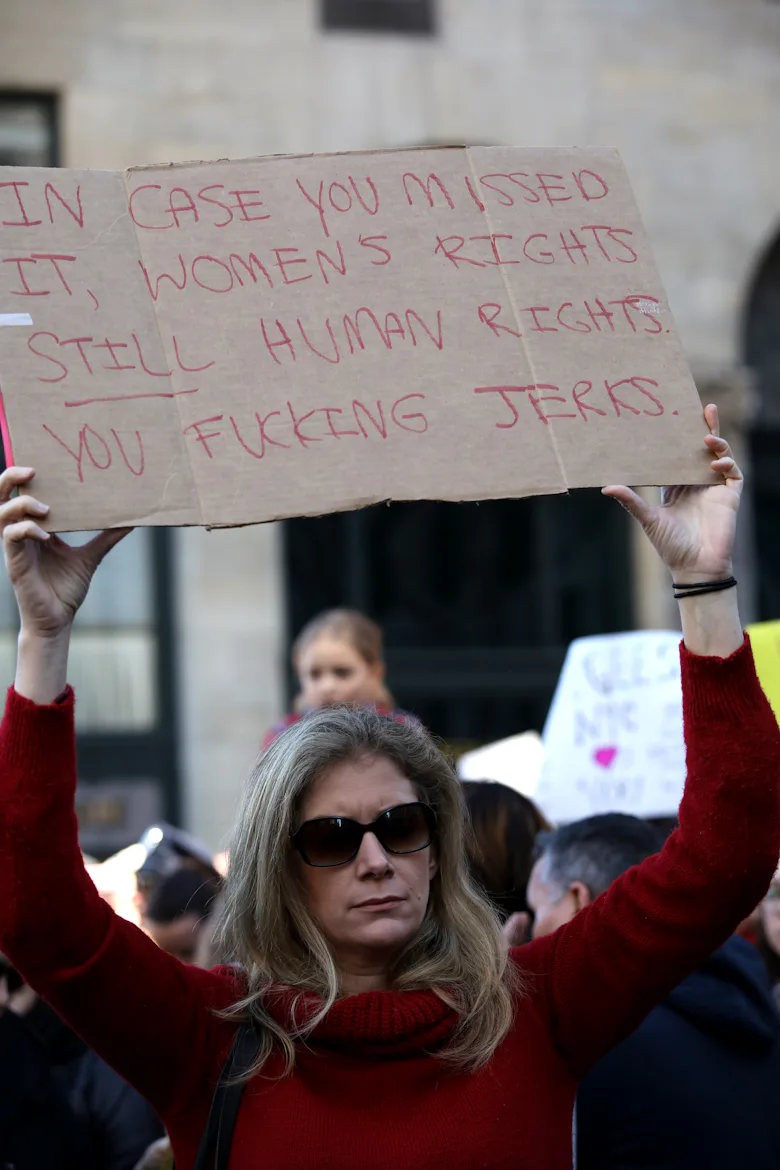
What happens when an entire city wakes up to find the engines of its everyday life slowed to a crawl? No mail. No childcare. No clerks, no teachers, no nurses. The strike’s brilliance was in its multifaceted approach—women weren’t just absent from their paid jobs; they abstained from the invisible labor too often overlooked: caregiving, emotional labor, domestic chores. This was a comprehensive blackout of women’s labor. The city didn’t just shut down; its heartbeat grew faint.
The effects were immediate and undeniable, illuminating a profound dependency rarely acknowledged without this kind of disruption. Employers, government officials, and citizens alike scrambled to respond to a society suddenly stripped of a fundamental pillar. The strike was a mirror held up to society, revealing the rot beneath the veneer of progress.
Beyond the Headlines: The Complex Tapestry of Participation
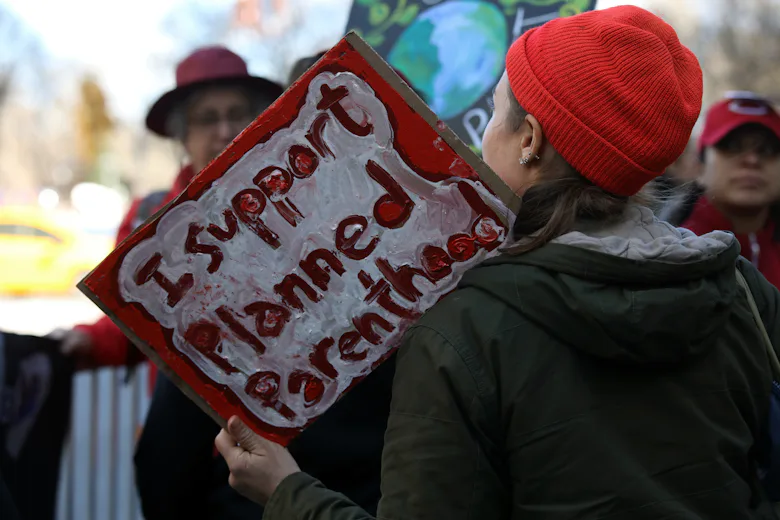
One might ask: who exactly participated? The strike was as diverse as the women who make up the fabric of any city—from service workers to CEOs, from students to retirees, from mothers balancing multiple roles to activists past and present. Their unity was a testimony to intersectional solidarity. This was not a strike of convenience but of conviction that transcended race, class, and age.
But this powerful tableau was not without its challenges. Critics questioned the inclusivity and practicalities—what about those who couldn’t afford to miss work? The strike organizers acknowledged these barriers, striving to amplify marginalized voices even as the strike challenged economic vulnerabilities. It raised difficult questions about who society expects to bear the burden of change and how transformation can be truly equitable.
Arousing Cultural Reckoning: The Strike as a Mirror and a Megaphone
While the city physically stilled, cultural conversations ignited with renewed vigor. The strike didn’t just disturb traffic; it disturbed indifference. Public discourse around labor rights, gender inequality, and structural oppression surged—no longer hushed or relegated to niche debates.
This was culture in motion—raw, unfiltered, unapologetic. Media outlets scrambled to cover the phenomenon, but the real narrative belonged to those on the ground—women telling their stories, revealing systemic injustices, and envisioning futures long overdue. The strike amplified voices previously drowned out by societal noise. It forced the public into uncomfortable introspection about roles, expectations, and systemic inequities.

The Aftermath: A City Changed, A Movement Ignited
What lingers after the strike’s roar subsides? The city didn’t slip back into its former rhythm without scars. Conversations hardened into commitments. Employers revisited policies; governments reevaluated priorities; communities reconsidered old dynamics.
But more importantly, a movement was set ablaze—one that demanded accountability beyond symbolic gestures. This was merely the beginning of a sustained struggle against systemic barriers, economic inequities, and cultural complacency. The strike’s legacy is not only in the hours or days it occupied but in the challenge it continues to pose: What if women stopped working—not for a day, but until justice was both visible and tangible?
Conclusion: The Playful Question That Unveils a Profound Challenge
So, what happens when the world’s invisible engines are switched off by its very architects? When women collectively refuse to prop up systems that have long taken them for granted, it isn’t merely a strike; it is a revolution in motion. The challenge posed then is not just logistical but existential—can society reimagine itself without exploiting the labor and lives of half its populace? The city was shut down, but the conversation it sparked will never truly rest.







Leave a Comment