
The classroom is a stage where the unpaid labor of women is performed daily, not as a fleeting act of charity, but as an unspoken expectation etched into the very foundation of education. Teaching, in its purest form, is women’s work—until it becomes administration. Then, the script flips. The chalk dust settles, the lesson plans are filed away, and suddenly, the same hands that once cradled the dreams of children are now crunching numbers in a boardroom, drafting policies in a language of power. This paradox isn’t accidental. It’s a carefully constructed illusion, one that masks the systemic devaluation of care while elevating the illusion of meritocracy. To understand why teaching remains women’s domain until it’s stripped of its emotional labor and repackaged as authority, we must dissect the cultural narratives that uphold this hierarchy—and the quiet rebellion of those who refuse to accept it.
The Pedagogy of Care: Why Teaching is a Feminine Script
Teaching is, at its core, an act of nurturing. The educator doesn’t just impart knowledge; she tends to the emotional and psychological needs of her students, often without recognition. This is not incidental. It’s a reflection of how society has historically assigned women the role of emotional laborers—caretakers, mediators, the glue that holds fragmented systems together. The classroom is no exception. A teacher doesn’t just teach algebra; she soothes a crying child, mediates conflicts, and notices the student who’s slipping through the cracks. These are not skills listed in a job description, yet they are the invisible threads that weave the fabric of education.
Consider the language we use: a “nurturing” teacher versus a “rigorous” administrator. The former is coded feminine, the latter masculine-coded, even when the roles overlap. The irony? The skills that make a great teacher—patience, empathy, adaptability—are the same ones that make a terrible bureaucrat. Yet, when women excel in these “soft” skills, they’re celebrated as natural caregivers, not as professionals. The moment they ascend to leadership, their competence is measured in spreadsheets and strategic plans, not in the quiet triumphs of a student who finally understands fractions.
The Invisible Labor Tax: Why Women Teach and Men Lead
There’s a hidden cost to teaching: it’s emotionally and physically exhausting, yet it’s treated as a labor of love rather than a profession. Women, conditioned to prioritize others’ needs over their own, are expected to perform this labor without complaint. The data is damning: women make up nearly 75% of the teaching workforce in many countries, yet they occupy fewer than 30% of administrative roles. Why? Because teaching is seen as an extension of motherhood—a role women are “naturally” suited for—while administration is framed as a strategic, visionary endeavor, a domain where men are presumed to excel.
This isn’t just about representation. It’s about power. The classroom is a microcosm of society’s power structures: women hold the space, but men control the systems. The same hands that grade papers are barred from shaping policy. The same voices that calm a classroom of chaos are silenced in faculty meetings. The result? A system where the emotional labor of education is feminized and devalued, while the structural labor—the kind that gets you a corner office—is masculinized and lionized. The message is clear: women’s work is necessary, but it’s not leadership. Not until it’s been stripped of its humanity.
The Double Bind: When Women Teachers Become Administrators
What happens when a woman teacher dares to step into administration? She enters a double bind. If she leans into her nurturing instincts, she’s dismissed as “too soft.” If she adopts the cold pragmatism of leadership, she’s labeled “unapproachable” or “bossy.” The standards are impossible because the role was never designed for her. The system rewards the traits it has historically associated with masculinity—decisiveness, assertiveness, emotional detachment—while punishing the very qualities that made her an effective teacher in the first place.
This isn’t just a professional dilemma; it’s a cultural one. We’ve built an education system that thrives on the exploitation of women’s labor, then gaslights them when they ask for a seat at the table. The woman who becomes a principal is no longer a teacher; she’s a “leader,” a title that comes with a pay bump but also with the erasure of her past. Her authority is measured in budgets and test scores, not in the relationships she forged in the classroom. The irony? The skills that made her a great teacher—her ability to inspire, to connect, to see potential in every student—are the same ones that could make her a transformative leader. But the system doesn’t want transformative. It wants compliant.
The Myth of the “Natural” Teacher
There’s a dangerous myth that women are “naturally” better teachers because they’re “naturally” more patient, more empathetic, more self-sacrificing. This myth is a trap. It frames teaching as a calling rather than a career, a vocation rather than a profession. It excuses the lack of pay, the lack of respect, the lack of upward mobility. If teaching is a calling, then women who excel at it are just doing what they’re supposed to do. If administration is a career, then men who ascend to it are just being ambitious.
The reality? Teaching is a skill. It requires expertise, creativity, and resilience. The fact that it’s predominantly women doing it doesn’t make it any less of a profession—it makes it a profession that’s been systematically undervalued. The moment women step into leadership, they’re expected to shed their “feminine” traits and adopt a “masculine” leadership style. But what if the problem isn’t the women? What if the problem is the system that refuses to recognize that care, connection, and collaboration are not weaknesses—they’re strengths?
The Rebellion of the Classroom
Yet, there are those who refuse to play by these rules. Women who teach and then lead, not by abandoning their values, but by redefining what leadership looks like. They are the principals who still know their students’ names. They are the superintendents who fight for smaller class sizes. They are the policymakers who insist that emotional intelligence is not a liability but a necessity. These women are rewriting the script, proving that the skills that make a great teacher—empathy, intuition, adaptability—are the same ones that make a great leader.
The fight isn’t just for representation. It’s for recognition. It’s for a system that stops treating women’s labor as a given and starts treating it as the foundation of a better world. Teaching is women’s work until it’s administration—but why should it be? Why should the care that shapes young minds be confined to the classroom, while the power that shapes policy remains the domain of men? The answer isn’t to abandon teaching. It’s to demand that the world recognize that the two are not mutually exclusive—that the hands that cradle the future are the same hands that should be shaping it.
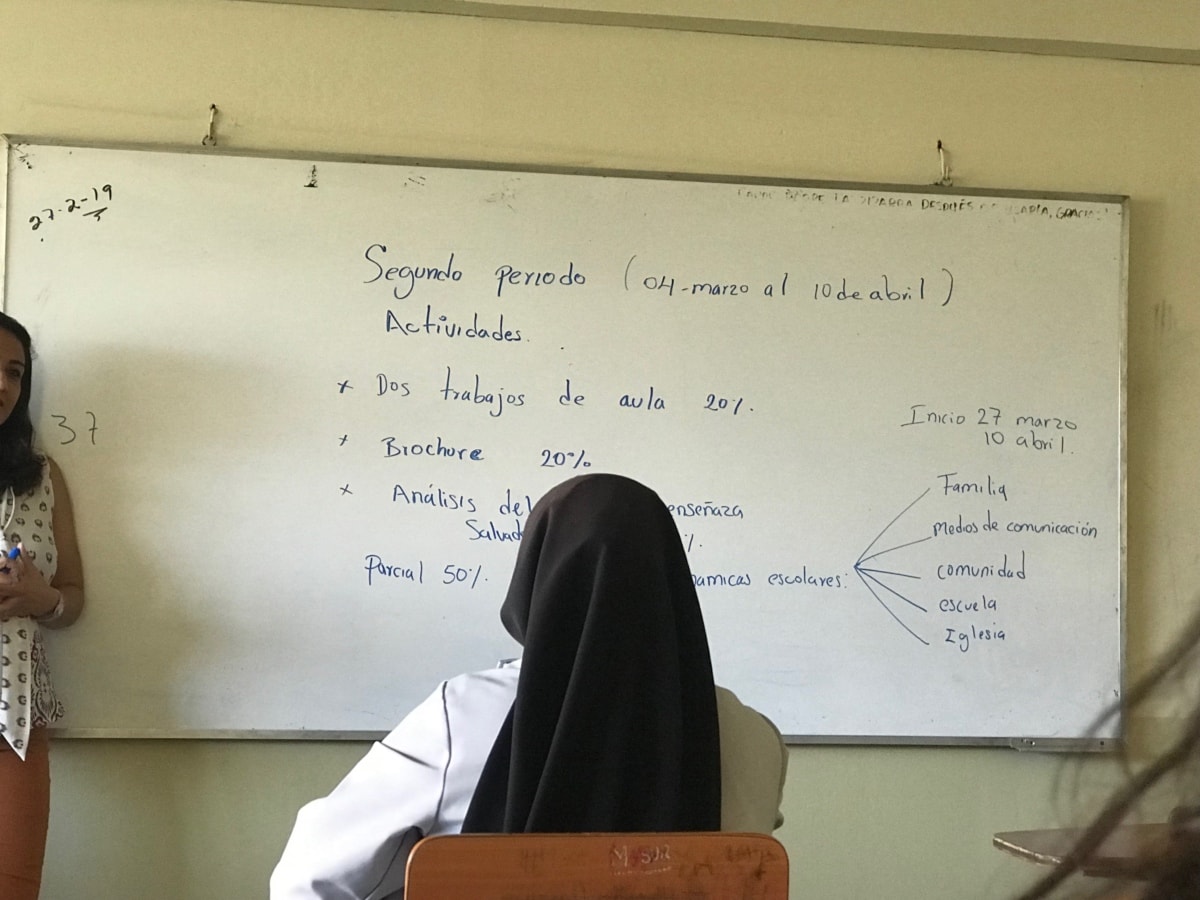
The classroom is not just a place of learning. It’s a battleground. And the war isn’t over until women’s work is valued—not just in the spaces they’re allowed to occupy, but in the power they’re allowed to wield.










Leave a Comment