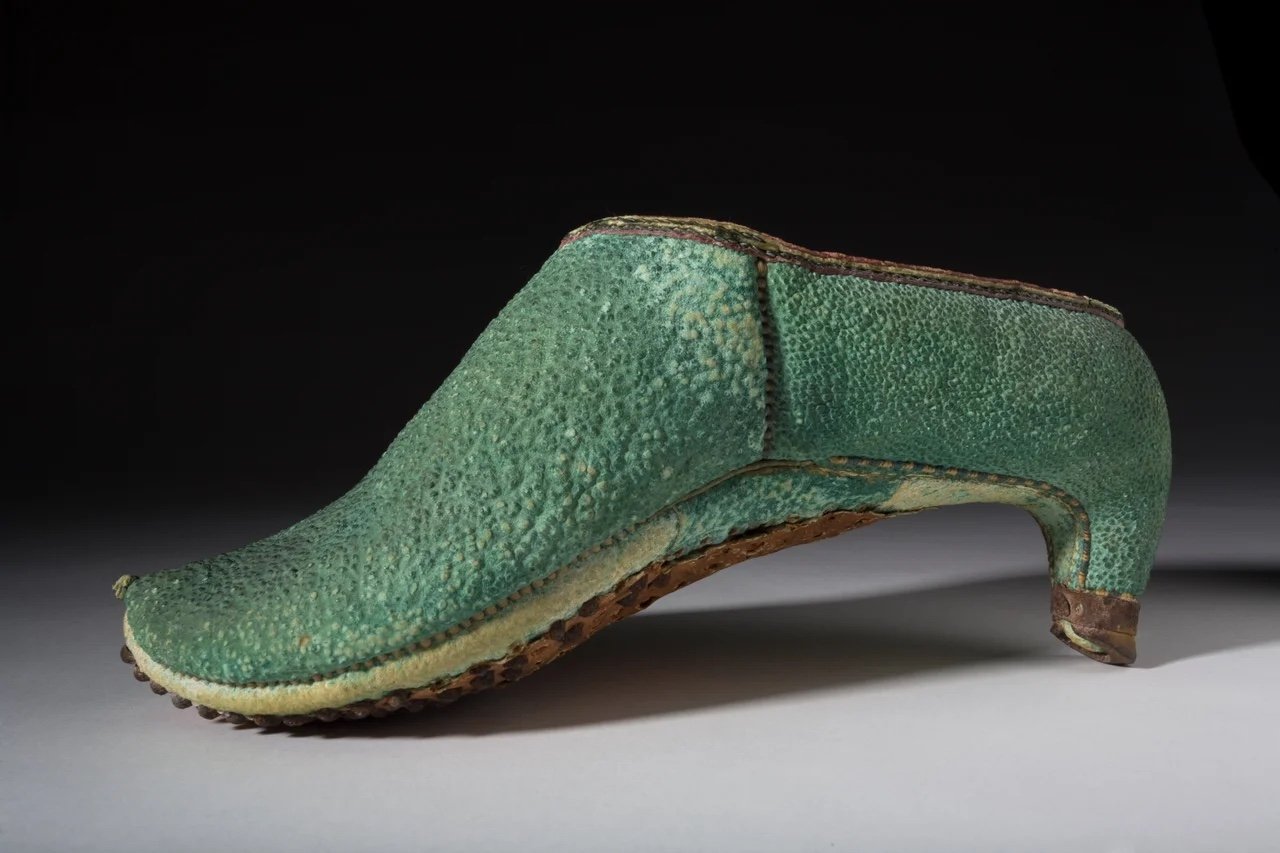
Picture this: a world where the towering stiletto, the precarious wedge, the perilous platform—all symbols of feminine constraint, of patriarchal fashion—were once the exclusive domain of men. Yes, you read that correctly. The very shoes that now epitomize gendered oppression were, in their inception, a masculine accessory, a statement of power, a tool of dominance. The plot twist isn’t just historical irony; it’s a full-blown feminist manifesto disguised as footwear. To understand why high heels were originally men’s shoes is to unravel a sartorial conspiracy that reveals how power, privilege, and performance have always been written into the soles of our shoes.
The Persian Pedigree: Where High Heels Began as Equestrian Armor
Long before they became the subject of Instagram envy or workplace dress codes, high heels were the footwear of choice for Persian cavalrymen in the 10th century. These early heels weren’t designed to tease or titillate—they were functional, practical, a necessity for archers and warriors who needed stability in the saddle. The elevated heel prevented the foot from slipping through the stirrup, a detail that turned a utilitarian design into a symbol of martial prowess. When Persian envoys arrived in Europe in the 17th century, they brought more than diplomacy; they brought a fashion revolution. European aristocrats, desperate to emulate the exotic and the elite, adopted the heel as a marker of status. But here’s the rub: the men who first wore them were not subjugating themselves to vanity—they were asserting dominance. The heel was a silent but unmistakable declaration: I am above the ground, above the common man, above the chaos of the battlefield.

The Aristocratic Masquerade: When Men Wore Heels to Signal Status
By the 1600s, high heels had become a staple of European male fashion, particularly among the elite. Louis XIV of France, a man who understood the theater of power better than most, famously wore heels adorned with intricate designs and towering heights—sometimes up to five inches. His court followed suit, with men donning red heels as a symbol of nobility and military rank. These were not shoes for the faint of heart; they were shoes for the unassailable. The heel’s elevation mirrored the social hierarchy, a literal and figurative rise above the masses. Women, at this stage, were still wearing flat shoes, their feet firmly planted in the domestic sphere. The irony is delicious: the very accessory that would later become a tool of female oppression was once the exclusive privilege of men who wielded power like a scepter.
Yet, as with all things fashion, the pendulum swung. By the late 17th century, the heel’s association with masculinity began to wane. The Enlightenment’s emphasis on rationality and utility clashed with the frivolity of high heels, and men, ever the pragmatists, abandoned them for the more “serious” shoes of the emerging bourgeoisie. Women, meanwhile, were entering a new era of sartorial experimentation—one that would eventually see them reclaim the heel, not as a symbol of power, but as a shackle disguised as glamour.
The Gendered Swap: How the Heel Became a Feminine Shackle
The 18th century marked the great gendered inversion of the heel. As men shed their elevated footwear in favor of the practical and the plain, women—particularly in the Victorian era—were increasingly confined to corsets, crinolines, and, yes, high heels. The heel’s transformation from a symbol of male authority to a feminine accessory was no accident. It was a deliberate rebranding, a way to tether women to ideals of delicacy and dependence. The same shoe that had once elevated a man’s status now served to hobble a woman’s mobility, both literally and metaphorically. The heel became a metaphor for the constraints placed upon women: beautiful, yes, but precarious, painful, and ultimately limiting.
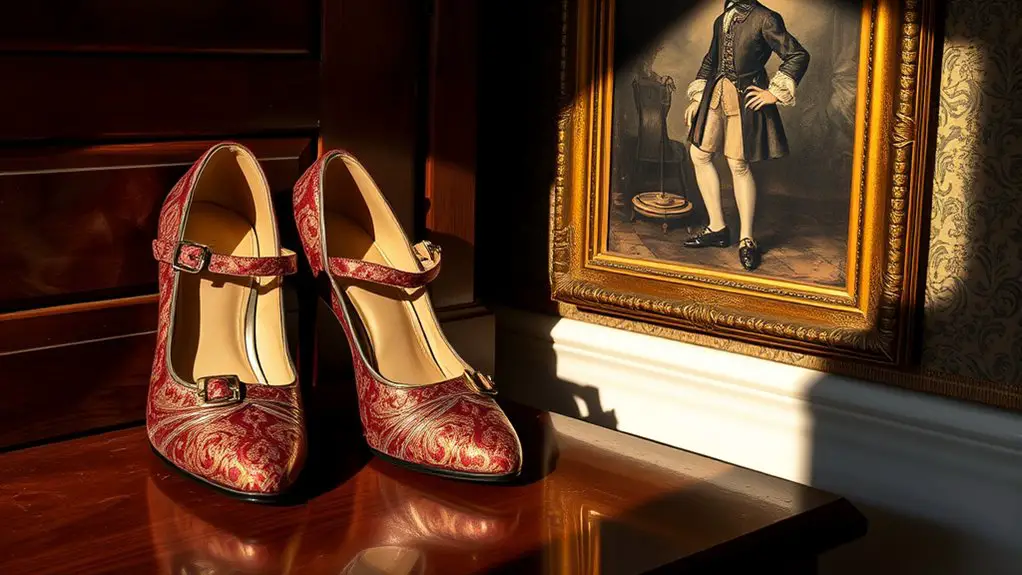
This shift wasn’t just about aesthetics; it was about control. High heels forced women into a posture of submission—literally. The arched back, the tilted pelvis, the constrained gait—all reinforced the idea that a woman’s place was not on the battlefield or in the boardroom, but in the parlor, the boudoir, the space where she could be observed, admired, and, crucially, controlled. The heel became a silent enforcer of gender norms, a way to remind women that their bodies were not their own.
The Modern Paradox: Why We Still Crave the Heel Despite Its Oppressive Legacy
So why, in an era of supposed gender equality, do high heels remain so ubiquitous in women’s fashion? The answer lies in the paradox of desire. The heel is no longer just a shoe; it’s a symbol, a statement, a surrender to the very forces that once oppressed women. We wear heels not because we are forced to, but because we have internalized the idea that beauty requires suffering. The pain of blisters, the strain on the spine, the risk of toppling over—these are not bugs in the system; they are features. The heel is a reminder that femininity is a performance, one that requires endurance, sacrifice, and, above all, compliance with outdated ideals.
Yet, there’s a subversive thrill in reclaiming the heel. Some women wear it as armor, a way to assert dominance in a world that still judges them by their appearance. Others reject it entirely, opting for flat shoes as a quiet rebellion against the tyranny of fashion. But the heel’s allure persists, a testament to its deep-rooted place in our collective psyche. It’s a reminder that oppression is not just about force; it’s about seduction. The heel doesn’t just restrict movement—it captivates, it enchants, it lures us into believing that beauty is worth the cost.
The Unspoken Truth: Power, Performance, and the Politics of the Foot
At its core, the history of the high heel is a history of power—who gets to wear it, who gets to define it, and who gets to suffer for it. The heel’s journey from Persian cavalry to Parisian aristocracy to the modern-day closet is a microcosm of how fashion reflects and reinforces societal hierarchies. It’s a story of how something as seemingly innocuous as a shoe can become a battleground for control, identity, and resistance.
So the next time you slip into a pair of stilettos, ask yourself: Are you wearing them because you want to, or because you’ve been conditioned to believe that this is what femininity looks like? The heel may have started as a man’s shoe, but its legacy is a woman’s burden. And until we dismantle the idea that beauty requires pain, the heel will remain both a trophy and a trap.










Leave a Comment