
What if the single most revolutionary act a woman could commit today was simply to refuse motherhood? This provocative question illuminates an enduring societal quagmire: the relentless interrogation and judgment leveled at women who declare themselves childfree by choice. Far from an unequivocal liberation, this stance has become a battleground where personal sovereignty clashes with entrenched cultural dogma, leaving many women fatigued and exasperated by the ceaseless demand to justify their reproductive decisions.
The Weight of Expectation: Society’s Unyielding Motherhood Mandate
From the moment a girl can comprehend her own identity, the narrative is subtly—and sometimes overtly—instilled: motherhood is a woman’s destiny, her ultimate accomplishment, her inexorable duty. The cultural architecture supporting motherhood is suffocatingly monolithic. Rituals from baby showers to unsolicited advice at family gatherings underscore a tacit assumption: a woman is incomplete without children. But what happens when a woman dares to dismantle this assumption? She faces an invisible tribunal. Contempt disguised as concern, curiosity twisted into entitlement. The weight of expectation morphs into a burden, a social script that offers no room for deviation. This rigidity is not only an infringement on personal liberty but also a persistent source of emotional labor.

Unraveling Misconceptions: Defying the Simplistic Labels
Childfree women face a barrage of reductive stereotypes: “selfish,” “unnatural,” “incomplete.” These labels are weaponized with the intent to isolate, shame, and coerce conformity. Yet, beneath these reductive caricatures lies a complex reality—a tapestry woven with autonomy, foresight, and profound self-awareness. Choosing to remain childfree often involves grappling with nuanced considerations: environmental impact, financial freedom, emotional readiness, and lifestyle aspirations that transcend traditional familial paradigms. By debunking these misconceptions, the conversation shifts from judgment to understanding, from monologue to dialogue. The struggle here is not merely one of personal choice; it is a cultural reckoning demanding recognition of diverse life narratives.

The Emotional Toll: Exhaustion from Unrelenting Questioning
Imagine constantly having to defend your bodily autonomy as if it were a public service. The cumulative toll of endless queries—Why don’t you want kids? Aren’t you lonely? Don’t you regret it?—creates a psychological fatigue that is rarely acknowledged. This emotional weight isn’t merely about repetitive conversation; it signifies a deeper societal disbelief in women’s capacity to make autonomous decisions about their bodies and futures. Many childfree women describe the phenomenon as “explaining themselves to exhaustion.” Not only is this exhausting, but it is a blatant infringement on personal boundaries. The norm is to interrogate, to justify, to persuade through unsolicited advice, betraying an insidious disrespect for female agency.
Reclaiming the Narrative: Stories of Empowerment and Defiance
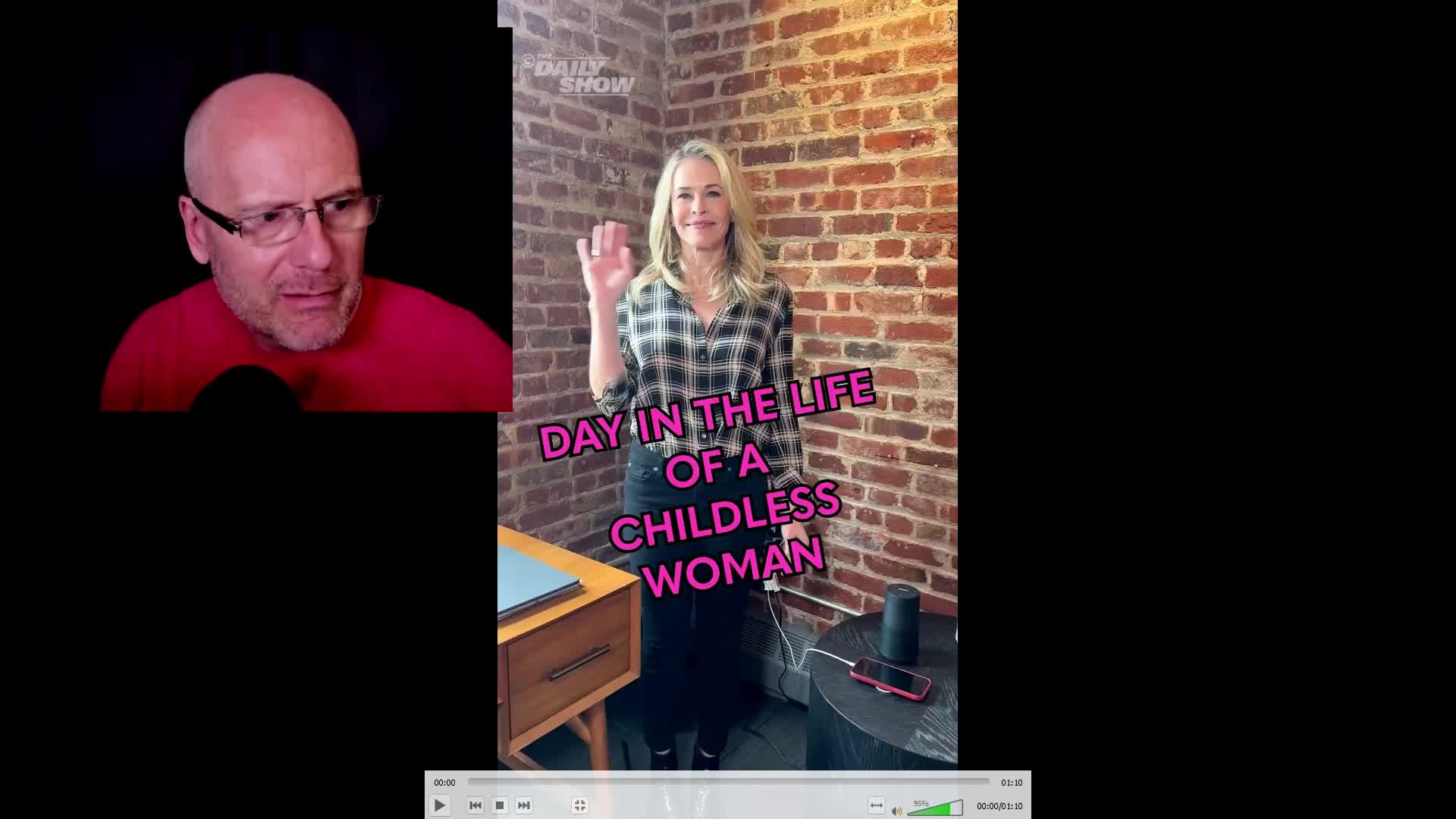
Amid this challenging terrain, there are stories of fierce empowerment. Women who boldly claim their childfree status resist the pressure to conform and rewrite the cultural script. Their narratives are often punctuated with humor, defiance, and unabashed pride. A day in the life of a childfree woman, for instance, might be replete with freedom to pursue passions, invest in relationships on her own terms, and engage in self-care without the shackles of maternal obligation. Such stories are not just anecdotal footnotes; they subvert the paradigms that have for too long dictated what a woman’s life “should” entail. Empowerment blossoms in the ability to live a life unpoliced by traditional expectations.
The Challenge Ahead: Can Society Embrace This Radical Choice?
Here lies the true question: can a society so deeply steeped in pro-natalist ideology embrace women who steadfastly choose childfreedom? The challenge is colossal because it demands dismantling entrenched cultural narratives that equate womanhood with motherhood. This shift requires not only respect for personal choice but also a seismic change in how value and legacy are conceptualized. Are we prepared to expand our definitions of contribution beyond reproduction? Can we champion diverse female identities without reverting to old tropes of kindness, nurturing, and sacrifice? The future hinges on this. Failure to meet this challenge means perpetuating cycles of judgment and marginalization that chip away at equality and authentic freedom.
Conclusion: The Radical Simplicity of Saying No
Choosing to be childfree is not merely a lifestyle preference; it is an act of radical affirmation in a world that incessantly demands justification. Women who live openly without children are not anomalies—they are pioneers on the frontlines of bodily autonomy and self-definition. They compel us to reconsider cultural norms and question why a deeply personal decision invites so much scrutiny. The ongoing dialogue around childfreedom must evolve beyond curiosity and judgment into a celebration of diverse human experience. The simple question remains: will society eventually learn to embrace a woman’s right to say no, or will it forever insist on explanations that exhaust and confine?









Leave a Comment