Ever paused to ask why the very women who pause their careers—often to nurture families, champion causes, or simply breathe—face a financial quagmire decades later? What secret economic labyrinth awaits those who dare to interrupt the relentless treadmill of continuous work? The retirement crisis for women who took career breaks is not merely an oversight; it is an indictment of societal structures and economic paradigms that continue to undervalue the invisible labor embedded in those breaks.
The Unseen Price of Career Interruptions
Taking a career break—be it for child-rearing, elder care, or personal reinvention—may appear as a choice on the surface, yet it carries covert penalties with long-term ramifications. Every month, every year off work siphons away from pension contributions, diminishes seniority, and disrupts the accrual of benefits. This economic erosion is not a mere mathematical loss; it compounds into a vortex of diminished earning power and financial insecurity.
Why does society systematically penalize women for exercising autonomy in their professional trajectories? The answer lies in antiquated workforce models that valorize uninterrupted tenure over holistic human experience, rendering invisible the rich mosaic of skills and resilience gained during career breaks.

The Double Bind: Gender, Work, and Financial Vulnerability
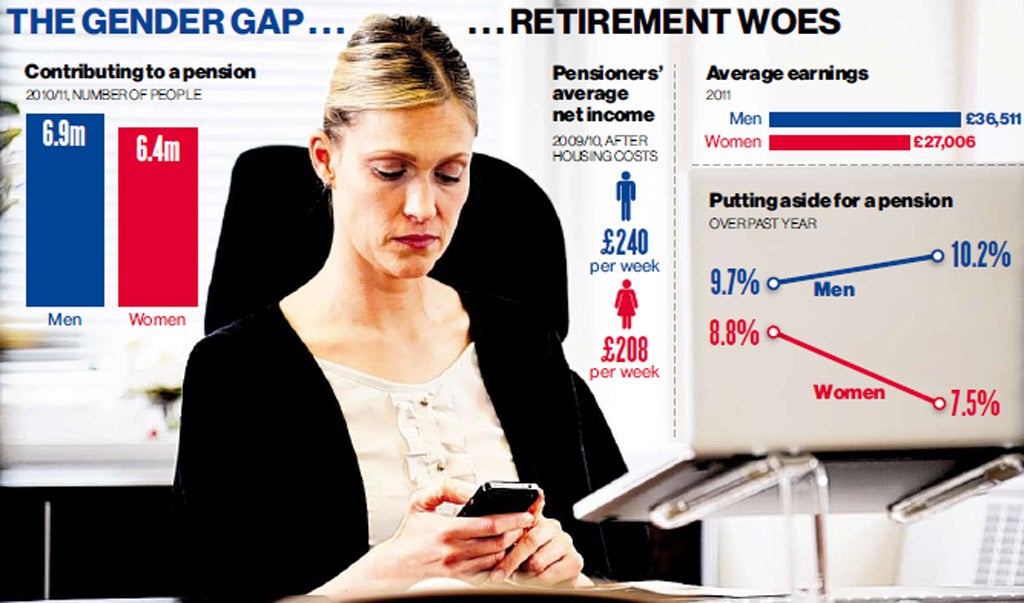
Women bear the brunt of this crisis not simply because they take breaks but because of entrenched gender roles that saddle them with disproportionate caregiving responsibilities. The “second shift” is just the beginning; the retirement cliff awaits. Reduced contributions to retirement funds, gaps in Social Security credits, and limited opportunities for re-skilling converge into a daunting reality.
Moreover, the wage gap exacerbates the chasm. When you earn less, your future nest egg shrinks exponentially. Add the layers of caregiving interruptions and unequal promotions, and you have a recipe for systemic impoverishment in later years. Isn’t it ironic that the very caretakers of society’s future are left vulnerable and overlooked when their own twilight years arrive?
The Cultural Myopia of “Career Breaks”
Language is powerful. The term “career break” itself conceals a subtle cultural myopia, implying a hiatus or disruption rather than an integrated life choice. This framing alienates women from economic forecasting tools and institutional support tailored for their realities. It minimizes the strategic value of breaks as periods of growth, learning, or caregiving—elements that undeniably enrich one’s human capital.
By refusing to redefine or seriously accommodate career breaks, institutions perpetuate a linear, male-normative career ideal. This oblivion to diversity in life paths means policy lags woefully behind lived experience, leaving women’s retirement safety nets tattered and insufficient.
Policy Failures and the Need for Systemic Overhaul
Does the current retirement system truly account for the multidimensional lives women lead, or does it rigidly cling to obsolete assumptions? Most pension schemes and Social Security frameworks fail to adequately credit caregiving and intermittent work patterns. This is not a simple oversight; it reveals a structural bias that disfavors intermittent workers—predominantly women.
Proposals for reform, such as pension credits for caregiving periods or flexible work-credit accumulation, are often mired in bureaucracy and political inertia. The challenge is not just economic; it is profoundly political. It demands society to reconceptualize the value of care, non-linear careers, and equitable longevity planning.
Strategies for Mitigation: Empowerment Through Preparation
While awaiting systemic change, women can and must adopt proactive strategies to cushion their retirement prospects. Meticulous financial planning before, during, and after career breaks can mitigate some adverse effects. This involves maximizing contributions when employed, leveraging spousal benefits where applicable, and advocating for employer-supported reentry programs that recognize career breaks as an asset rather than a liability.
Moreover, embracing continuous education and skills upgrading, even during career interruptions, enhances the feasibility of a competitive return to the workforce. Financial literacy tailored to women’s unique career patterns is a critical bulwark against the looming retirement precipice.

The Future: Reimagining Retirement for Women
The retirement crisis for women who took career breaks is not immutable. It is a clarion call to reconstruct societal and economic systems in ways that celebrate the complexities of women’s lives rather than penalize them. This includes adopting inclusive pension policies, fostering equitable workplace cultures, and dismantling stigmas surrounding career breaks.
Imagine a future where taking time to nurture life outside the cubicle is not a financial gamble but a respected chapter in a career narrative. Where retirement is not a cliff but a continuum of dignity, security, and freedom. This vision demands collective will, relentless advocacy, and the recognition that women’s economic justice is inextricably linked to our broader quest for equity.
So, ladies, if you dared to pause, to care, to breathe—remember this: the challenge of your retirement crisis is not a fate sealed in stone, but a battle to be fiercely and unapologetically waged.








Leave a Comment