In the sparkling yet shadowy world of influencer feminism, a stark truth often lurks beneath the filtered selfies and empowering hashtags: the cost of maintaining this carefully curated image is staggering, complex, and deeply troubling. Behind the veneer of sisterhood and personal empowerment lies a machinery fueled by compromise, economic interest, and relentless public scrutiny. She exposed this fragile ecosystem, unraveling the tangled threads that bind influencer feminism to consumer culture, social expectations, and corporate complicity. What does it truly cost to keep the illusion of feminist progress alive on social media? The answer is multifaceted—encompassing the financial, emotional, and ethical tolls exacted at every digital turn.
The Financial Veil: How Much Does Influencer Feminism Really Demand?
At first glance, influencer feminism can appear lucrative. Glamorous brand partnerships and sponsored content paint a narrative of financial empowerment. But beneath this glittering surface lies a complex web of economic pressures. Influencers are often dependent on fast fashion giants and other corporations whose values contradict feminist ethics—companies known for exploitative labor practices and environmental degradation. Maintaining an image that aligns with feminist values while partnering with these brands requires a precarious balancing act, often forcing influencers into uncomfortable complicity.
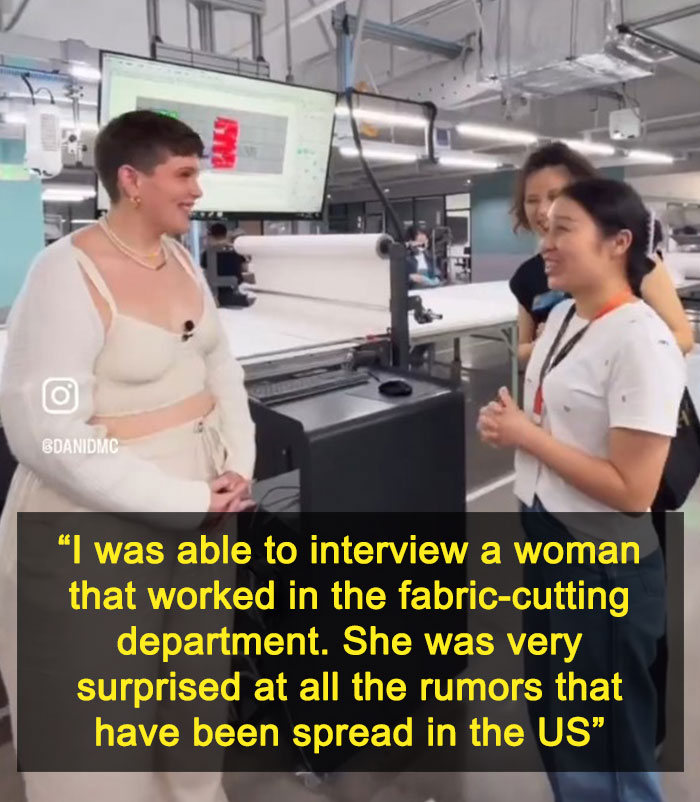
This financial entanglement reveals how influencer feminism can sometimes be more performance than principle. To sustain their platforms and income streams, many content creators must navigate brand contracts that demand silence or even praise toward ethically questionable conditions. The economics of influencer feminism reveal a transactional underpinning, where empowering rhetoric becomes entwined with commercial interests, diluting the potency of genuine feminist advocacy.
Emotional Expenditure: The Invisible Labor Behind the Scenes
Emotional labor is the uncharted currency of influencer feminism. The constant demand to perform vulnerability, strength, and inspiring narratives creates a cycle of emotional exhaustion. These women are not simply content creators; they are laborers in the emotional economy, managing public perception while grappling with private insecurities and backlash.
Every post requires meticulous curation. Empowering messages are carefully crafted to avoid alienating followers or sponsors. Meanwhile, backlash—both from online trolls and from the feminist communities who scrutinize authenticity—can be relentless. The price paid is high. Maintaining an image of unwavering empowerment often masks moments of vulnerability, anxiety, and burnout.
The Ethical Paradox: Questions of Authenticity and Complicity
Influencer feminism frequently encounters an ethical quagmire. The paradox arises when feminist rhetoric is deployed primarily as a marketing tool rather than a sincere ideological commitment. This raises important questions: Can the movement retain its integrity if it operates within profit-driven social media ecosystems? What compromises are made when voices of resistance are commodified and packaged for mass consumption?
Collaboration with brands involved in exploitative labor practices forces influencers into ethical grey zones. Praising such companies inadvertently endorses systems of oppression. The dissonance between the feminist message and the content creator’s financial dependence on problematic corporations lays bare the contradictions inherent in the influencer feminism model. It’s a transactional feminism that rarely interrogates systemic issues at its roots.
The Audience’s Role: Consumption, Critique, and Accountability
Audience participation transforms influencer feminism from a private act into a public performance. Followers are not mere spectators; they engage, validate, and sometimes challenge content creators. This dynamic complicates the relationship between influencer and audience, where consumer expectations often clash with calls for critical activism.
Consumers of influencer feminism are encouraged to buy empowerment—often in the form of products, lifestyles, or ideologies—that may be antithetical to feminist values. This creates a feedback loop where feminist empowerment is commodified and consumed at scale, but seldom leads to structural change. The power—and paradox—lies in the audience’s dual role as consumers and potential agents of accountability.
The Digital Stage: The Performative Nature of Empowerment
In the age of social media, empowerment is frequently performative. Influencers cultivate narratives of resilience and independence, yet these narratives are shaped and constrained by platform algorithms, audience metrics, and brand requirements. The ‘performance’ is meticulously crafted to sustain relevance and engagement, sometimes at the expense of substantive dialogue.
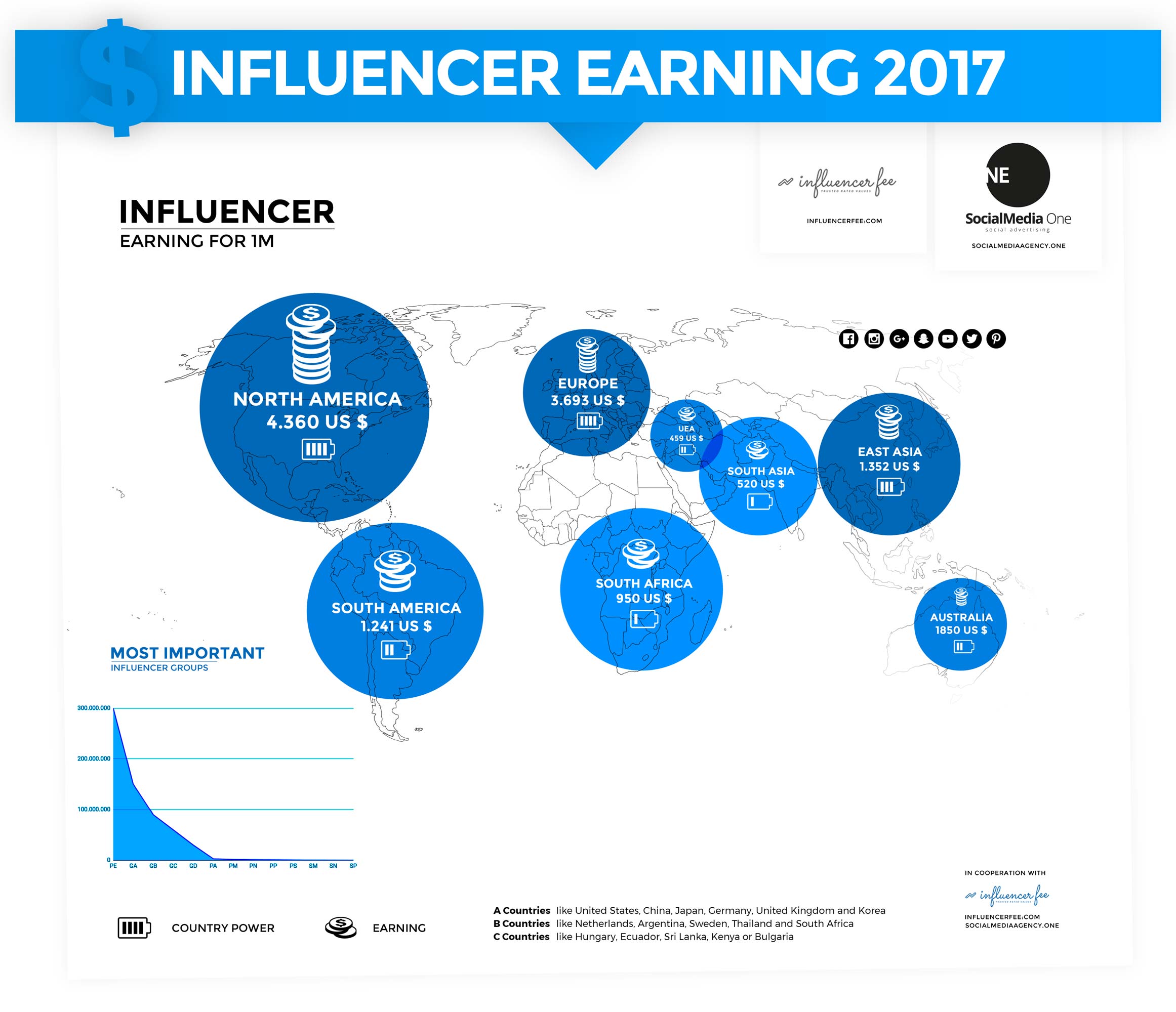
This digital dramaturgy underscores the ephemeral and often superficial nature of influencer feminism. What is broadcast might be empowerment, but what is sometimes sacrificed is the depth and nuance necessary for real social transformation. The need to maintain audience interest incentivizes simplified, polished narratives rather than messy truths.
Conclusion: The True Cost Behind the Hashtag
The cost of influencer feminism extends far beyond financial expenditures or social capital. It includes emotional depletion, ethical concessions, and the performative confines imposed by consumer culture and corporate influence. This model raises crucial questions about the sustainability and authenticity of feminist movements housed within digital capitalism. She exposed the cracks in this shiny facade, compelling us to reckon with what is sacrificed in order to maintain it. If feminism becomes a product to sell rather than a cause to fight for, then the cost is not just borne by influencers but by the movement itself.











Leave a Comment