
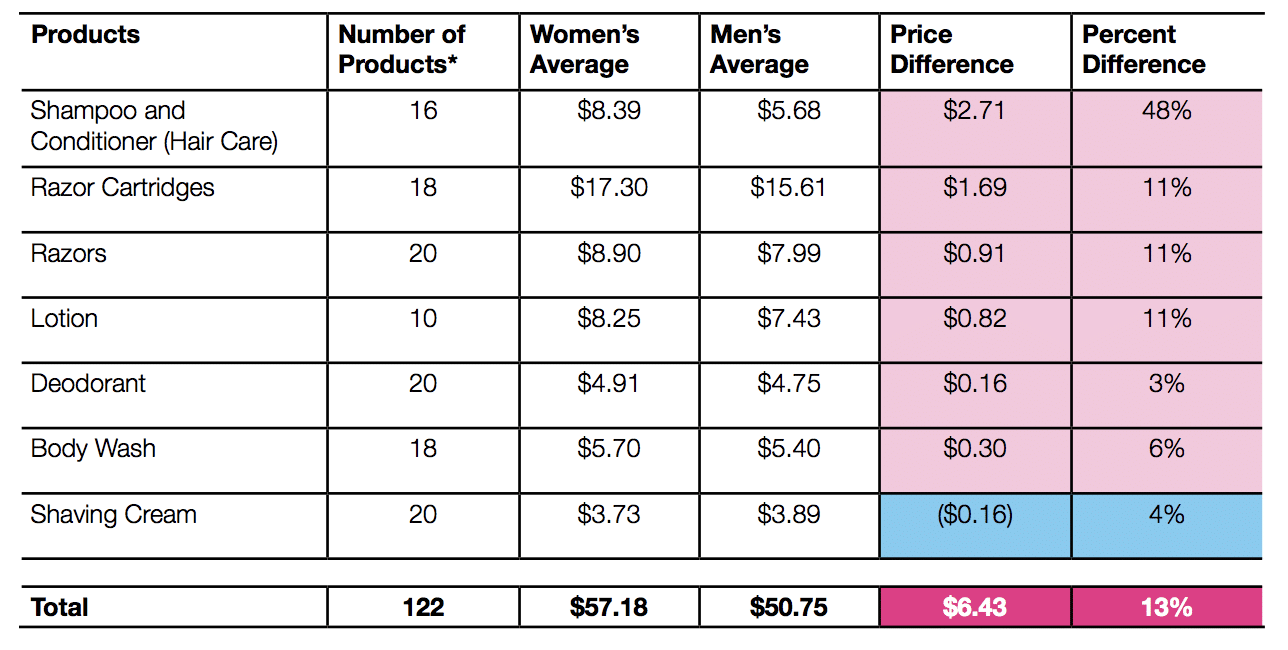
In a marketplace brimming with choices, one truth festers beneath glossy shelves and seductive labels: Black women are paying more. The pink tax—an ordnance of economic injustice primarily dissected through the lens of gender—has been documented extensively. Yet, when it comes to Black hair products, the numbers are not just staggering; they are nothing short of an indictment of systemic economic bias intersecting race and gender. She documented this phenomenon with meticulous precision, illuminating a marketplace where Black consumers aren’t just overcharged for femininity but are burdened disproportionately for cultural identity and heritage. The following exploration charts that landscape, offering a multidimensional view on the exorbitant premiums levied upon Black haircare.
The Hidden Economy of Black Haircare
The commodification of Black hair is a labyrinth that entwines cultural expression with exorbitant costs. Black hair products hold a premium not simply because of branding, but due to industry gatekeeping and a legacy of exclusion from mainstream formulations. This hidden economy is dominated by products created exclusively to nurture natural curls, coils, and kinks—textures historically marginalized or outright ignored by corporate giants. Yet, the pricing reflects more than just specialty formulations. It is a surcharge extracted from identity itself.
Her documentation reveals a consistent pattern: shampoos, conditioners, oils, and relaxers marketed specifically to Black consumers demand a higher price point compared to similar products for general or white consumer bases. This isn’t coincidence. It’s an exploitation masked behind niche marketing, feeding into a cycle where Black hair products become luxury items—not by choice, but by enforced circumstance.

The Quantitative Unveiling: The Numbers Tell a Grim Tale
Numbers don’t lie. The data gathered paints a somber portrait: Black hair products can cost anywhere from 10% to upwards of 40% more than comparable products marketed toward white consumers. The disparity is not confined to premium luxury brands either; even mass-market goods exhibit this price inflation. In some cases, everyday essentials like hair grease or detanglers reveal a pricing gap that borders on exploitative.
Delving into the quantitative analysis, this investigation provided an array of numerical comparisons—side-by-side examinations of labels, ingredients, and price per ounce. The elevated costs cannot be justified by ingredient quality alone. Rather, the financial burden levied on Black consumers underscores a broader systemic inequity. It is a silent toll for cultural survival, perpetuating socioeconomic divides while masquerading as ordinary retail dynamics.
Intersectionality and Economic Injustice
This isn’t merely about overpriced shampoo. Black hair products exist at the intersection of race, gender, and economic marginalization. The pink tax, often framed solely as a gender issue, finds a darker resonance here. Black women—already contending with the double bind of sexism and racism—experience this surcharge as an added layer of oppression. The price tags are more than financial numbers; they are symbols of how society undervalues Black womanhood.
This price disparity must be seen as a facet of intersectionality, where economic exploitation reinforces social hierarchies and cultural denigration. The market’s indifference to equitable pricing is a reflection of broader institutional neglect. Recognizing this intersectionality helps dismantle simplistic views that treat economic issues as monolithic and race-neutral. Black hair—in all its complexity—is an embodiment of identity, resilience, and history that cannot be commodified without consequences.
Beyond the Price Tag: Cultural Implications and Social Costs
There is a cultural cost embedded in the financial one. The forced premium placed on Black haircare products affects more than wallets; it shapes self-perception, cultural pride, and community dynamics. When essential care for natural hair becomes overpriced, it exacerbates insecurities fostered by centuries of societal marginalization. It pressures Black women to either assimilate to Eurocentric beauty standards or bear the economic burden of embracing their natural identity.
Hair is profoundly personal and political. It’s a site of resistance, celebration, and survival. Therefore, the inflated pricing is not just a marketplace oddity but a societal mechanism that disincentivizes cultural authenticity. The data she gathered allows us to perceive these products as much more than commercial items—they are catalysts in an ongoing dialogue about race, economics, and identity.
Consumer Activism: Mobilizing Change Through Awareness
Documenting these price disparities is itself an act of resistance. Awareness breeds accountability. Once consumers grasp the scale and specifics of this economic injustice, a powerful tool for change emerges. Collective recognition has the potential to reshape purchasing power, forcing brands and retailers to rethink pricing strategies and ethical obligations.
Empowered with this knowledge, consumers can champion businesses committed to fairness, support Black-owned haircare brands that promote accessibility, and lobby legislative bodies to address the pink tax within the specific context of race and gender. Transparency in pricing becomes a rallying cry—not just for equity in beauty care but for a more just economy.
The Road Ahead: Policy, Advocacy, and Market Transformation
Policy interventions need to reckon with this nuanced form of economic discrimination. Anti-discriminatory pricing laws, subsidies for minority-owned businesses, and regulatory attention to price gouging in culturally significant product categories are necessary steps. Yet, transformation must also come from within the market itself—through innovation, inclusivity in product development, and equitable supply chains that dismantle barriers entrenched by historical marginalization.
The documentation of the pink tax on Black haircare is a clarion call. It indicts not only brands and retailers but the entire economic framework that permits such disparities. The future demands a paradigm shift where cultural identity is not commodified to the detriment of those who embody it. This transformation is not merely desirable; it is imperative.










Leave a Comment