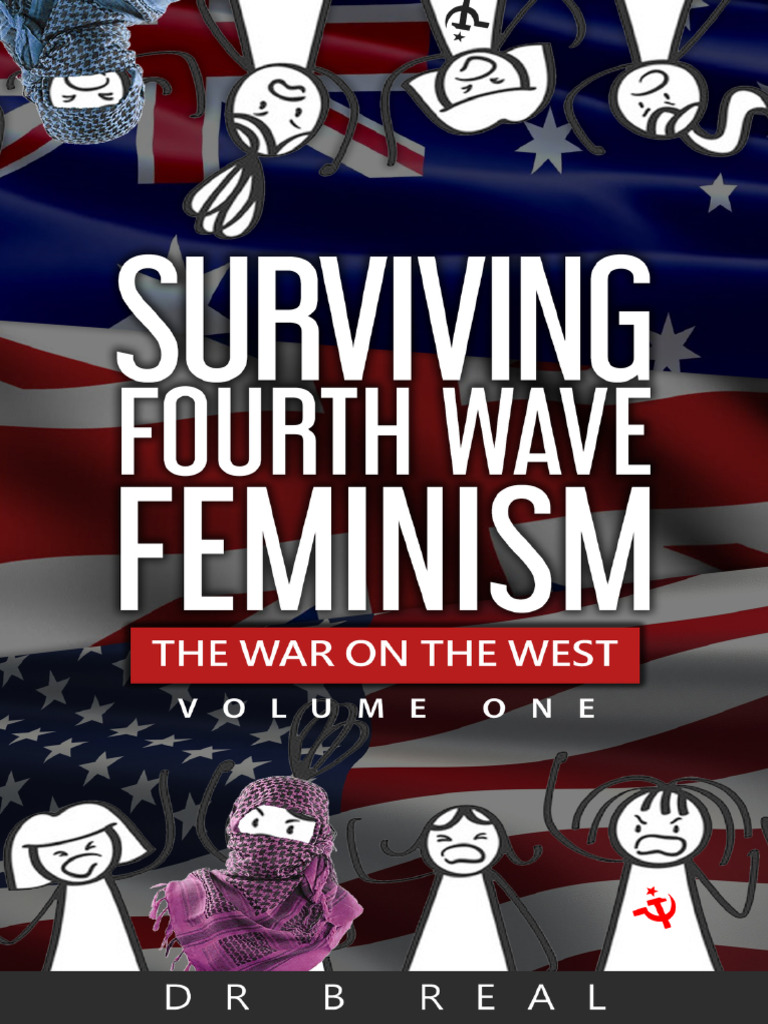
Darling, are your pearls still clutched? Because we’re diving headfirst into the turbulent, often bewildering, ocean that is fourth-wave feminism. An ocean where hashtags are the new picket signs, and Twitter battles rage hotter than any burning bra. But fear not, sister, for navigating these treacherous waters is not only possible but essential for any self-respecting woman (and man, if you’re brave enough) who believes in equality.
The Tides of Change: A Brief History of Feminist Waves
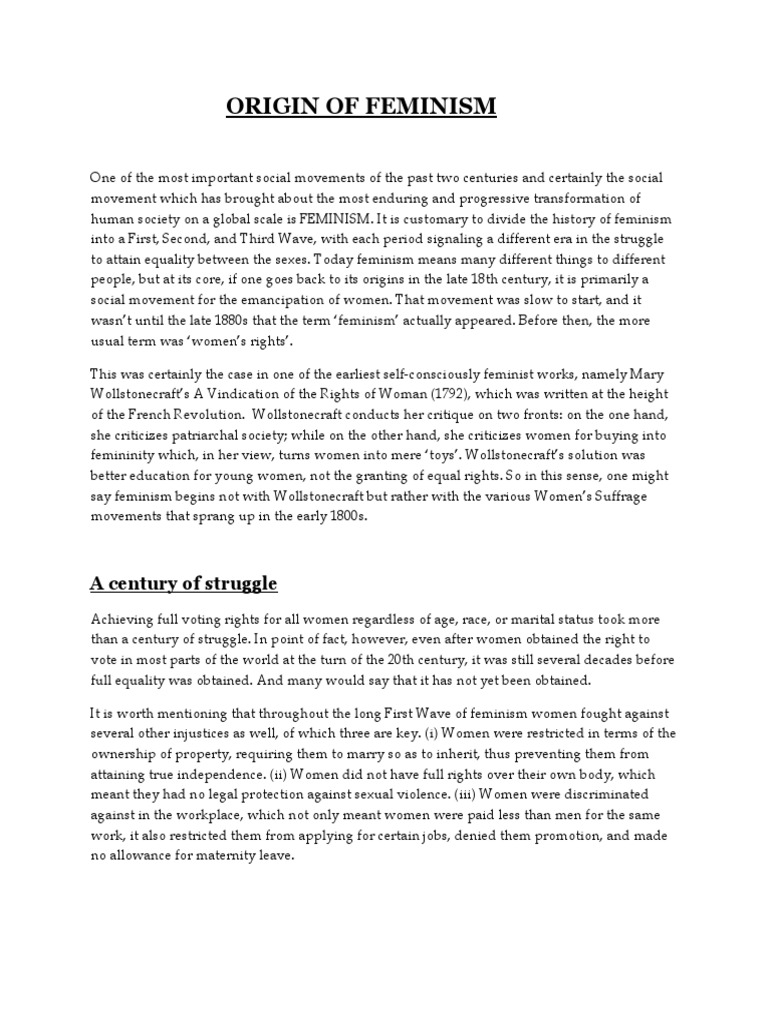
Before we can even begin to contemplate surviving the current deluge, a brief historical dip is in order. First-wave feminism, emerging in the late 19th and early 20th centuries, primarily focused on suffrage, the right to vote. Think suffragettes chained to railings, demanding a voice. A noble and crucial beginning, laying the foundation for the battles to come.
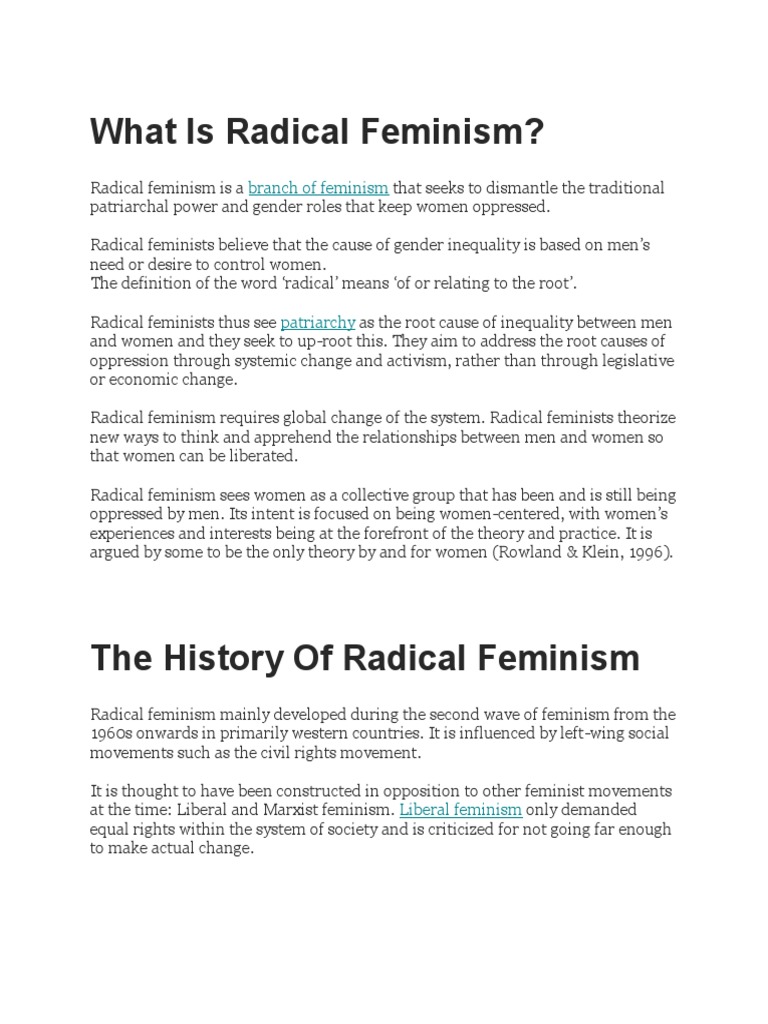
Second-wave feminism, cresting in the 1960s and 70s, broadened the scope to encompass issues of sexuality, reproductive rights, and workplace equality. Think Betty Friedan’s “The Feminine Mystique” shattering the myth of the happy housewife, and the fight for equal pay. A wave of liberation, challenging societal norms and demanding systemic change.
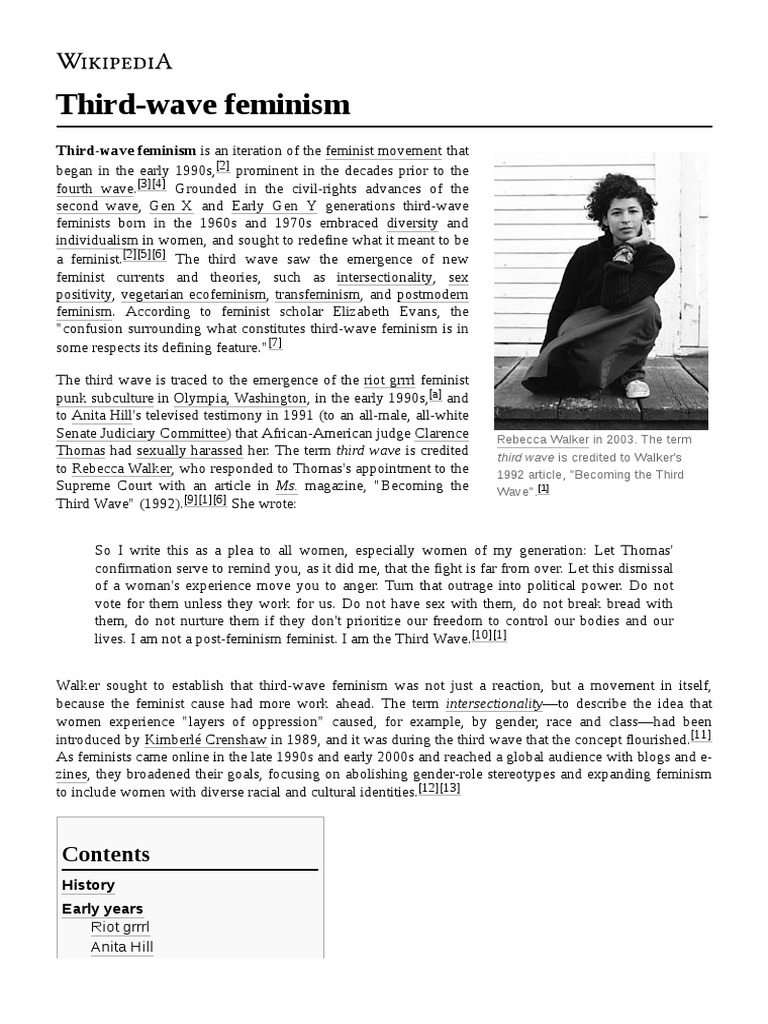
Third-wave feminism, arriving in the 1990s, brought with it a greater focus on intersectionality, recognizing the diverse experiences of women based on race, class, and sexual orientation. Think riot grrrls screaming into microphones, and the embrace of individuality and self-expression. A wave of inclusivity, expanding the definition of womanhood and challenging essentialist notions.
And now, we are submerged in the fourth wave.
Fourth-Wave Feminism: Digital Uprising and its Discontents
What distinguishes fourth-wave feminism from its predecessors? The internet, darling. The very air we breathe, the digital landscape, is both the battleground and the weapon. This wave is characterized by its hyper-connectivity, its reliance on social media for mobilization, and its focus on issues such as online harassment, body positivity, and the dismantling of rape culture.
The Double-Edged Sword of Social Media
Social media platforms like Twitter, Instagram, and TikTok have become powerful tools for feminist activism. They allow for rapid dissemination of information, the organization of protests and campaigns, and the creation of online communities where women can share their experiences and support one another. #MeToo, #TimesUp, #WhyIStayed – these hashtags became rallying cries, amplifying the voices of survivors and exposing systemic abuse.
Yet, this digital empowerment comes at a price. The very same platforms that enable feminist activism can also be breeding grounds for misogyny, harassment, and cyberbullying. Anonymous trolls lurk in the shadows, spewing hateful rhetoric and attempting to silence women who dare to speak out. The echo chambers of social media can also reinforce existing biases and create divisions within the feminist movement. The algorithm, after all, is not your friend.
Key Issues in the Fourth Wave: A Sampler Platter of Outrage
Fourth-wave feminism tackles a myriad of issues, often simultaneously. Here are just a few of the key battles being fought:
* Body Positivity and Fat Acceptance: Challenging unrealistic beauty standards and promoting self-acceptance, regardless of size or shape. This is a vital pushback against the constant barrage of diet culture and the commodification of women’s bodies. We are reclaiming our bodies, and demanding respect for all shapes and sizes.
* Rape Culture and Consent: Dismantling the pervasive culture that normalizes and excuses sexual violence. This includes challenging victim-blaming, promoting affirmative consent, and holding perpetrators accountable. We demand a world where “no” truly means no, and where survivors are believed and supported.
* Online Harassment and Cyberbullying: Addressing the specific forms of harassment and abuse that women face online, including doxing, revenge porn, and cyberstalking. This requires holding social media platforms accountable for protecting their users, and creating a safer online environment for women.
* Intersectionality and Inclusion: Recognizing the diverse experiences of women and ensuring that the feminist movement is inclusive of all women, regardless of race, class, sexual orientation, gender identity, or disability. This requires actively addressing systemic inequalities and amplifying the voices of marginalized women.
* Wage Gap and Economic Equality: Continuing the fight for equal pay and economic opportunities for women. This includes addressing gender bias in hiring and promotion, advocating for paid family leave, and supporting policies that help women balance work and family responsibilities. Because darling, a woman’s worth is not determined by a patriarchal pay scale.
The Challenges of Navigating the Digital Landscape
Surviving fourth-wave feminism requires a certain degree of savvy and resilience. Here are some of the key challenges we face:
* The Performative Activism Trap: It’s easy to slap a hashtag on a post and call it a day, but true activism requires more than just lip service. We must be wary of performative activism, where individuals engage in superficial acts of support without actually committing to meaningful change. Ask yourself: are you truly advocating for change, or just seeking validation?
* The Call-Out Culture Conundrum: While accountability is essential, the tendency to publicly shame and “cancel” individuals for minor transgressions can be counterproductive. Call-out culture can create a climate of fear and silence, and can stifle genuine dialogue and learning. We must strive for restorative justice, rather than simply seeking to punish and ostracize. Remember, nuance is not a four-letter word.
* The Information Overload Intoxication: The constant barrage of information can be overwhelming, leading to burnout and apathy. It’s important to take breaks from social media, prioritize self-care, and focus on the issues that truly matter to you. Your mental health is paramount, darling.
* The Divisive Nature of Identity Politics: While intersectionality is crucial, the focus on identity can sometimes lead to fragmentation and division within the feminist movement. We must remember that we are all fighting for the same goal: a world where all women are treated with dignity and respect. Solidarity, not infighting, is the key to success.
Strategies for Survival: A Feminist Toolkit
So, how do we navigate this complex and challenging landscape? Here are some strategies for surviving and thriving in the era of fourth-wave feminism:
* Educate Yourself: Read feminist literature, follow feminist activists on social media, and engage in critical thinking. Knowledge is power, darling. The more you understand the issues, the better equipped you will be to advocate for change.
* Engage in Meaningful Action: Don’t just slap a hashtag on a post and call it a day. Volunteer your time, donate to feminist organizations, contact your elected officials, and participate in protests and campaigns. Small actions can have a big impact.
* Practice Self-Care: The fight for equality can be exhausting. Take breaks from social media, prioritize your mental and physical health, and surround yourself with supportive friends and family. You cannot pour from an empty cup.
* Cultivate Empathy and Understanding: Listen to the experiences of other women, especially those from marginalized communities. Try to understand their perspectives, even if you don’t agree with everything they say. Empathy is the foundation of solidarity.
* Challenge Misogyny and Sexism: Speak out against sexist jokes, challenge gender stereotypes, and hold individuals accountable for their harmful behavior. Silence is complicity.
* Support Other Women: Lift up other women, celebrate their successes, and offer them support when they are struggling. We are stronger together.
The Future of Feminism: A Call to Action
Fourth-wave feminism is still evolving, and its future is uncertain. But one thing is clear: the fight for equality is far from over. We must continue to challenge systemic inequalities, advocate for women’s rights, and create a more just and equitable world for all. The digital landscape may be fraught with challenges, but it also offers unprecedented opportunities for connection, mobilization, and change. So, grab your smartphone, sharpen your wit, and join the revolution. The future is feminist, darling, and it’s up to us to make it a reality. The waves will keep coming.







Leave a Comment