The United Nations, a bastion of global diplomacy, has long been a stage where power plays out in hushed corridors and behind closed doors. Yet, within its labyrinthine bureaucracy, a quiet revolution has been brewing—one led not by diplomats in tailored suits, but by women who dared to speak when silence was the expected currency. This is the story of a whistleblower who didn’t just expose corruption; she forged a network, a clandestine sisterhood of truth-tellers who refused to be silenced. Her weapon? Not a megaphone, but a whisper that grew into a roar.
The Spark That Ignited a Wildfire
It began with a single act of defiance. A woman, cloaked in the anonymity of institutional bureaucracy, uncovered a pattern of retaliation against those who dared to challenge the status quo. Her discovery was not a bombshell dropped from a podium, but a slow-burning ember—one that could either smolder in obscurity or ignite a conflagration. She chose the latter. What followed was not just the unearthing of malfeasance, but the meticulous weaving of a web, a network of women who had been gaslit, sidelined, or worse, erased from the narrative of their own institutions.
The metaphor of a whisper network is often dismissed as a tool of the powerless—a clandestine grapevine where women exchange warnings like contraband. But this was no mere gossip. It was a strategic insurgency, a guerrilla movement within the halls of an organization that prided itself on transparency. Each woman who joined did so with the understanding that their collective voice could dismantle the illusion of invulnerability that shielded predators and enablers alike.
The Architecture of Resistance
Building such a network was no small feat. Trust had to be cultivated in an environment where betrayal was a currency. The women involved were not naive; they knew the risks. Whistleblowing in the UN is not a career move—it’s a career-ending gambit. Yet, they persisted, creating encrypted channels, anonymous drop boxes, and coded language to evade surveillance. Theirs was an architecture of resistance, designed to outmaneuver the very systems meant to protect them.
Consider the irony: an organization founded on the principle of human rights became the very institution that taught them the art of evasion. They turned the UN’s bureaucracy against itself, using its own red tape as a shield. The network was not just a support system; it was a counter-institution, a parallel structure where solidarity was currency and anonymity was armor.
The Cost of Truth
For every woman who stepped forward, there was a reckoning. Some faced smear campaigns, others were stripped of assignments, and a few were outright terminated. The retaliation was not always overt—sometimes it was the slow erosion of credibility, the withholding of promotions, the whispered doubts that poisoned careers. Yet, they endured. Why? Because the alternative—silence—was a betrayal not just of themselves, but of every woman who would come after them.
This was not martyrdom for its own sake. It was a calculated sacrifice, a recognition that the fight for justice is not won in a single moment but in the relentless accumulation of small rebellions. Each woman who joined the network became a node in a larger system of resistance, her individual pain transformed into collective power.
The Ripple Effect: When Silence Becomes Complicity
The impact of this network extended far beyond the women who joined. It sent shockwaves through the UN’s culture, forcing a reckoning with the toxic undercurrents that had long festered in its ranks. Suddenly, the whispers were too loud to ignore. Investigations were launched. Policies were scrutinized. The very idea of a “whisper network” was no longer a dirty secret but a testament to the resilience of those who refused to be erased.
Yet, the battle was far from over. The network’s existence was a challenge to the UN’s self-image as a beacon of equality. It exposed the gap between rhetoric and reality, between the lofty ideals enshrined in treaties and the lived experiences of those who worked within its walls. The question now hung in the air like a specter: Could an institution built on power truly reform itself, or would it always be a house divided against itself?
The Metaphor of the Unseen Hand
To understand the power of this network, one must grasp the metaphor of the unseen hand. In economics, the “invisible hand” guides markets toward equilibrium. Here, the unseen hand was the collective force of women who, though individually powerless, became an unstoppable tide when united. Their work was not about grand gestures but about the quiet accumulation of influence—the kind that reshapes institutions from within.
This was not feminism as performative allyship or hollow slogans. It was feminism as guerrilla warfare, waged in the trenches of bureaucracy. The network’s success lay in its ability to operate in the shadows, where the light of scrutiny could not reach. It was a reminder that change does not always come with fanfare; sometimes, it arrives like a thief in the night, stealing away the foundations of oppression.
The Legacy: A Blueprint for the Future
The story of this whistleblower network is not just a tale of resistance—it is a blueprint for the future. It proves that even within the most entrenched systems, cracks can form. That even when the odds are stacked against them, women can build structures of solidarity that outlast the institutions that sought to silence them.
Yet, the work is not done. The network’s existence is a challenge to every woman who has ever been told to “be patient,” to “wait her turn,” to “play the game.” It is a call to action: to build, to organize, to resist. The UN’s halls may still echo with the voices of those who prefer silence, but the whispers are growing louder. And soon, they will be impossible to ignore.

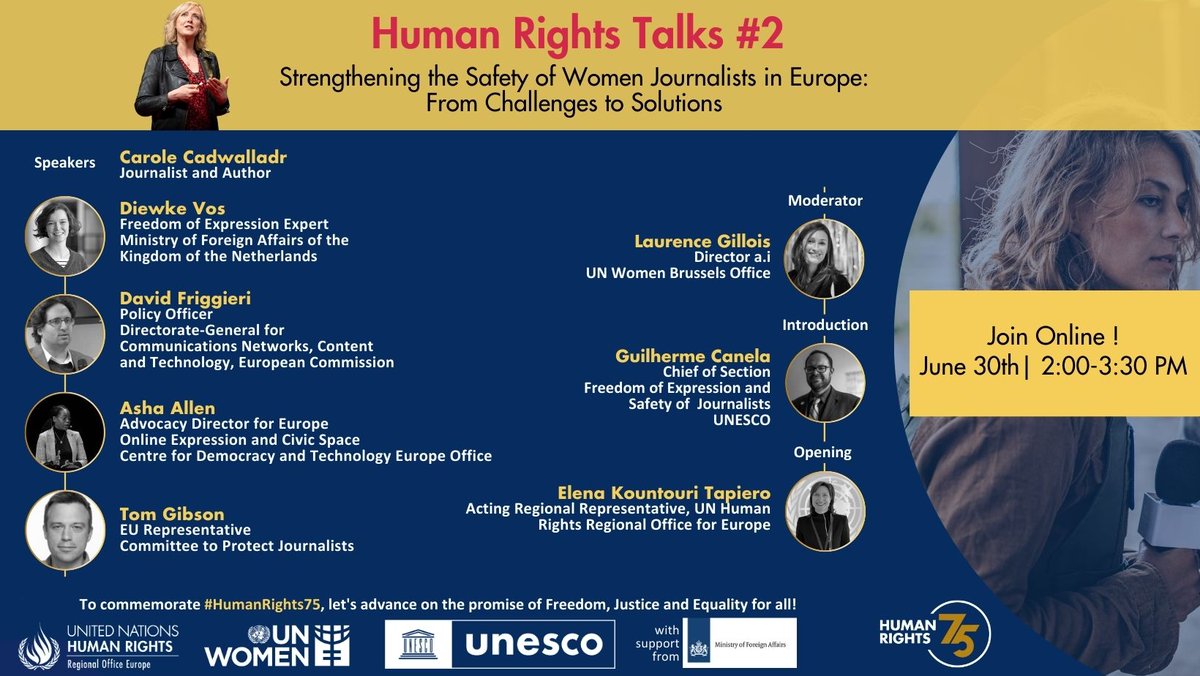
The image above captures the essence of this movement—not in the grandeur of a protest, but in the quiet determination of women who have chosen to stand together. Theirs is a revolution built on whispers, but its echoes will reverberate for generations.










Leave a Comment