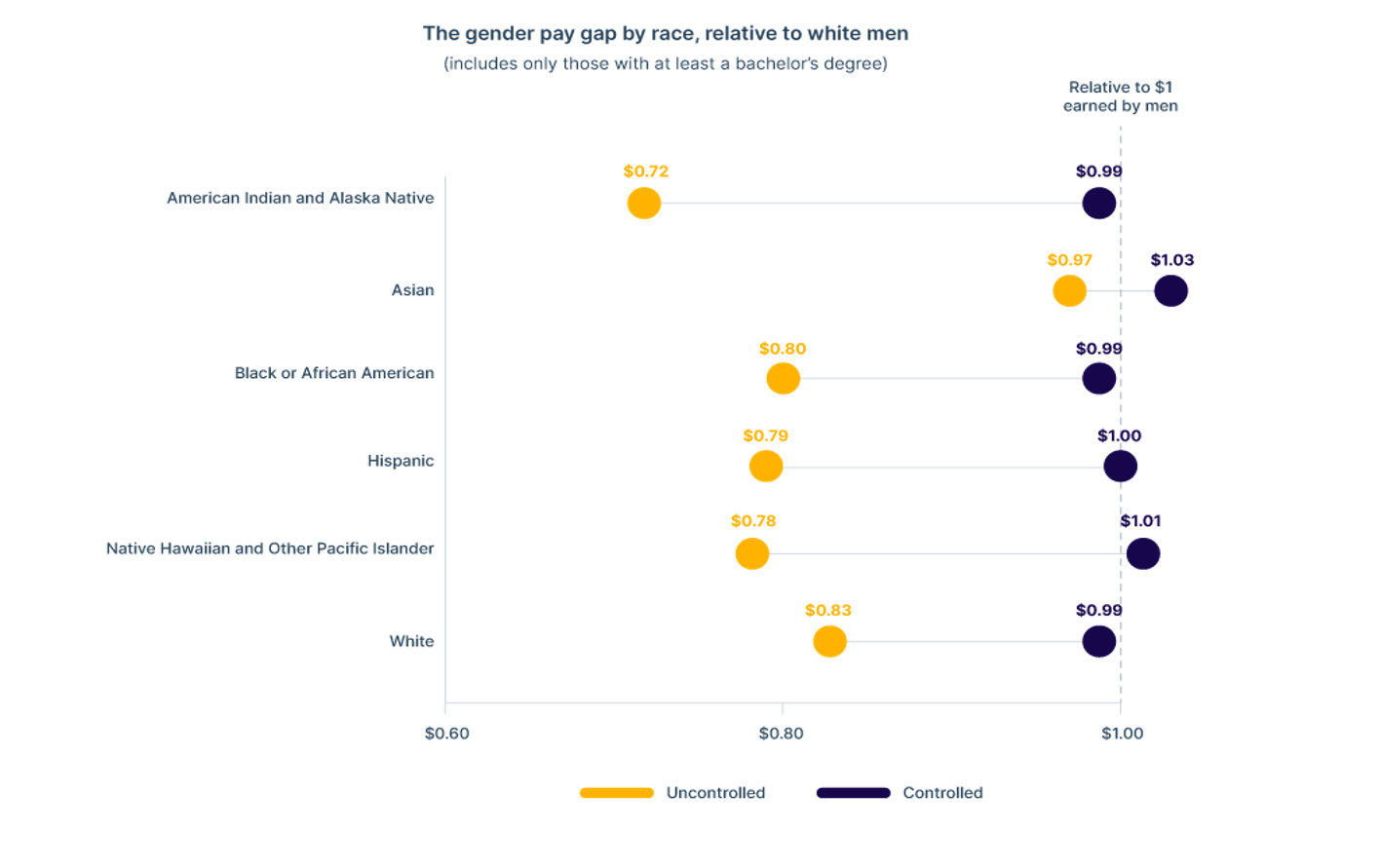
In the vanguard of corporate inclusion and the chorus of diversity panels, a disquieting paradox emerges: white women, often celebrated as the archetypal beneficiaries of equity initiatives, continue to receive disproportionately higher pay compared to women of color. This phenomenon strips bare the veneer of progressive corporate rhetoric and invites a deeper interrogation of who truly benefits from these diversity efforts and how systemic inequities sustain themselves beneath the surface.
The Illusion of Progress: When Diversity Panels Reinforce Old Hierarchies
Diversity panels, task forces, and corporate equity initiatives are often touted as beacons of change, promising an unprecedented commitment to fairness and inclusion. Yet, despite the proliferation of such endeavors, wage disparities remain entrenched, revealing an uncomfortable truth: diversity efforts can sometimes serve to perpetuate existing power structures rather than dismantle them. White women, who have long been positioned as the “face” of gender equity, continue to reap most of the financial benefits, all while women of color are left struggling on the margins.
These panels, despite their ostensibly diverse makeup, often fall prey to tokenism—a perfunctory nod to inclusion that stops short of confronting the layered nature of systemic inequality. The very concept of “diversity” becomes reductive, skewing towards gender representation while glossing over the critical axis of race. The result is a hierarchized inclusivity that privileges whiteness under the guise of gender parity.
The Pay Gap’s Persistent Shadow: Why Race Still Matters in Gender Equity
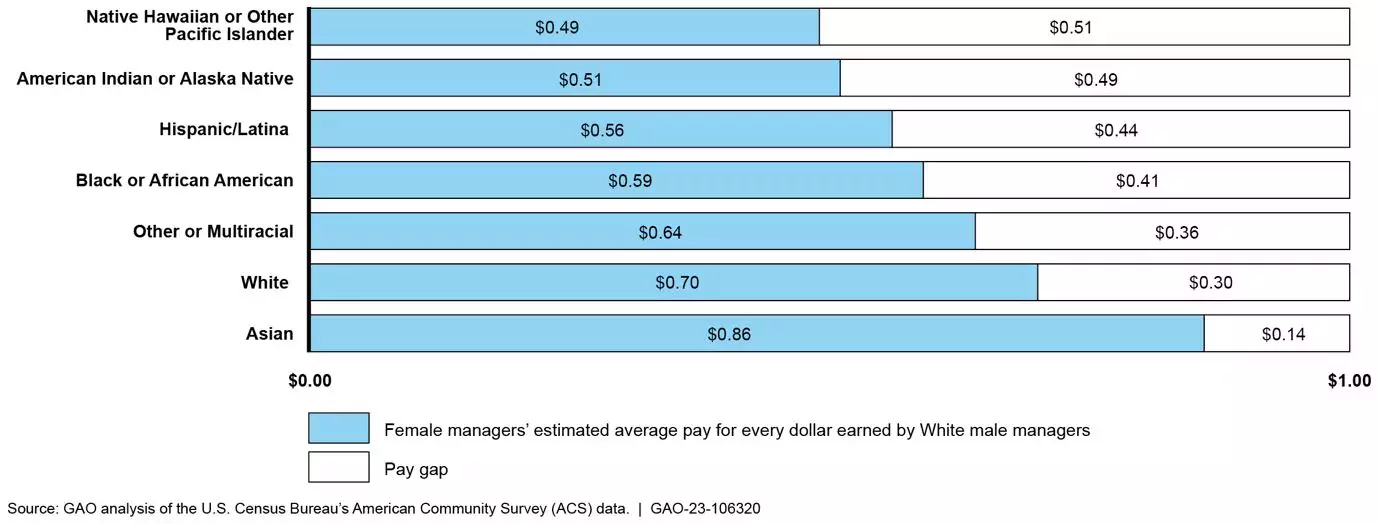
To understand why white women continue to earn more on these diversity panels, one must decipher the intricate interplay of race and gender within wage structures. The narrative that positions the gender pay gap as a binary issue—men versus women—obfuscates the multifaceted disadvantages encountered by women of color. Data consistently show that Latina, Black, Indigenous, and Asian women face larger wage gaps compared to white women, yet these nuances seldom penetrate the conversation within diversity initiatives.
The labor market is not a level playing field. Women of color often occupy lower-paying roles and encounter systemic barriers in accessing leadership positions. Thus, even when diversity panels exist, their impact is diluted, as they rarely address these compounded hurdles effectively. The very design of these panels can unwittingly centralize the experiences and priorities of white women, reinforcing wage disparities instead of erasing them.
Performative Allyship and the Myth of Meritocracy
Corporate narratives often embrace the myth of meritocracy—the idea that hard work alone guarantees financial advancement—without acknowledging the structural inequities underlying pay disparities. This mythology allows companies to claim progress without rooting out systemic bias. Performative allyship emerges here, where gestures toward inclusion are made visible through diversity panels but lack substantive mechanisms to address intersectional inequities.
White women, while certainly encountering their own workplace challenges, often benefit from racial privilege within these dynamics. Their relatively higher wages on diversity panels underscore a subtle yet pernicious truth: equity initiatives have, at times, prioritized the elevation of those closest to the existing power structures—white women—while sidelining more marginalized voices.
Intersectionality as a Revolutionary Imperative
What remains glaringly absent in many diversity panels is a true embrace of intersectionality—the understanding that race, gender, class, and other identities intersect to shape disparate outcomes. Without an intersectional framework, diversity efforts risk becoming superficial, addressing only partial truths and perpetuating systemic inequities.
Intersectionality demands reimagining diversity beyond optics and numbers. It requires deliberate strategies to dismantle wage disparities that are compounded by race and other identity markers. Incorporating women of color not just as participants but as decision-makers within these panels can recalibrate focus toward deeper structural reforms. This is the fulcrum upon which genuine progress pivots.
The Path Forward: Toward Inclusive Equity That Disrupts, Not Maintains
To transcend the paradox of diversity panels that continue to pay white women more, corporations and institutions must shift from performative inclusion to transformative justice. This calls for comprehensive wage audits that excavate disparities beneath aggregated data, rigorous accountability measures, and targeted investments in the advancement of women of color.
Equally critical is the amplification of narratives that highlight the lived experiences of marginalized groups, fostering environments where inequities can be openly contested and dismantled. Token appointments need to be replaced with robust pipelines that facilitate sustainable career growth for all women—especially those historically excluded.

The story of wage equity cannot be neatly packaged into gender alone—it is a nuanced, dynamic struggle demanding courage to confront uncomfortable truths. Only by refusing to settle for partial victories and by centering the most marginalized can the promise of diversity panels evolve into genuine equity.






Leave a Comment