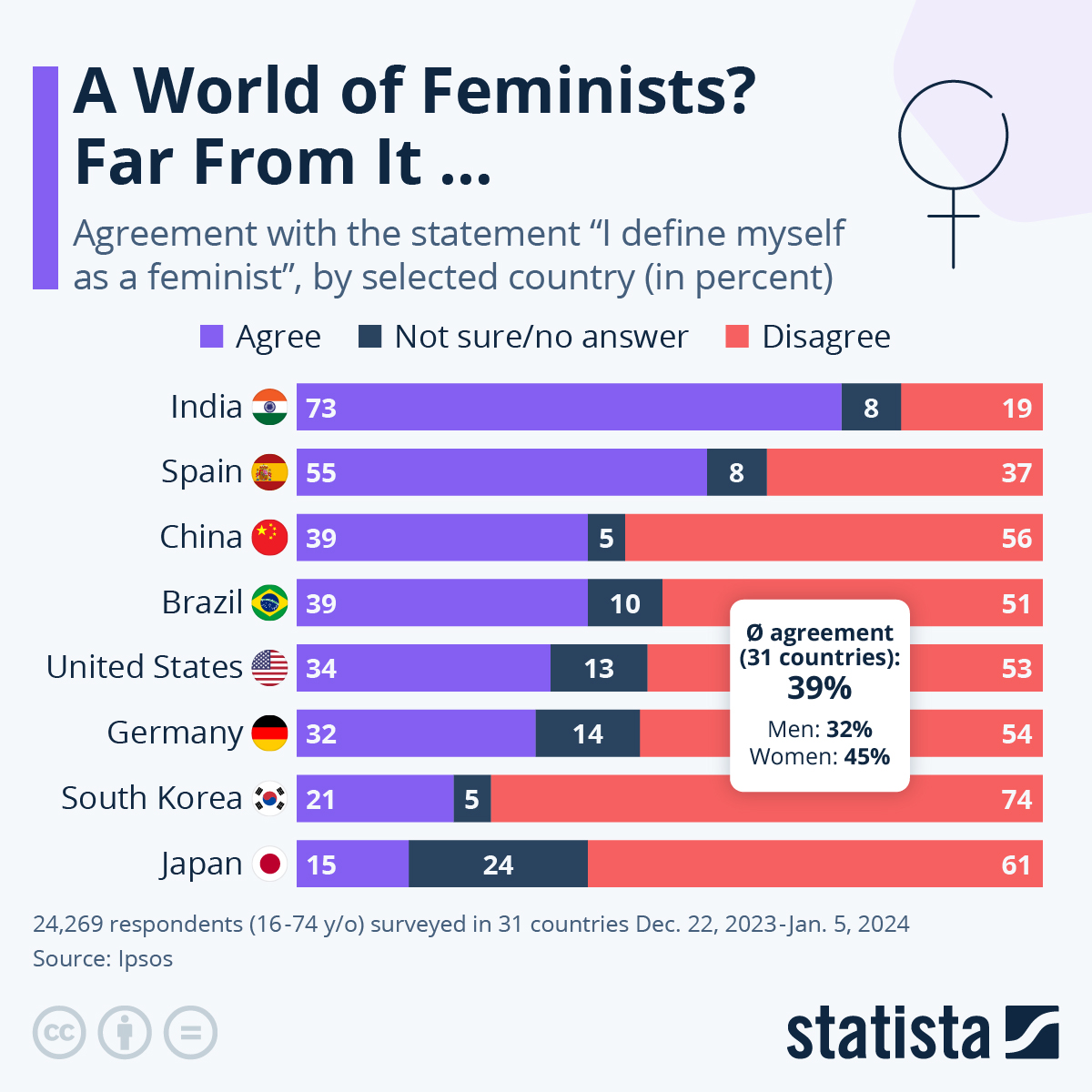
Is feminism truly a global movement, or is it a carefully repackaged Western export, cloaked in universal aspirations yet shackled by cultural myopia? When we speak of “global feminism,” we often picture a unified chorus fighting oppression in unison. Yet beneath this harmonious facade lurks a contentious dilemma: does global feminism inadvertently enforce a monolithic standard rooted in Western ideals, thereby eclipsing the rich tapestry of experiences and struggles that women around the world face? Today, we plunge into this provocative quandary, dissecting how the very movement designed to liberate can sometimes confine, and questioning what it means for feminism to transcend mere geographical boundaries.
Western Feminism: The Default Template for Global Liberation?
The global feminist discourse frequently mirrors Western feminist norms and frameworks, elevating individual autonomy, career advancement, and personal choice as ultimate goals. These tenets, profoundly shaped by decades of Western socio-political evolution, have become the yardstick by which feminist success is often measured elsewhere. But what happens when these ambitions clash with diverse cultural paradigms? The imposition of a one-size-fits-all model can inadvertently render invisible local struggles—whether they revolve around access to education, legal protections, or community dignity.
This hegemonic spread is neither accidental nor benign; it carries with it an unspoken assumption: Western feminism is universally applicable, superior, and inevitably aspirational. The subtle arrogance embedded in this outlook risks alienating those whose realities resist such neat classification. Women in remote villages or bustling megacities may reject this constricted vision, yearning for a feminism that acknowledges their historical, cultural, and socio-economic complexities rather than subsuming them under preordained Western ideals.

Intersectionality Misappropriated or Marginalized?
Intersectionality, a critical framework born from Black feminist thought, promises to dismantle single-issue analyses by honoring overlapping identities—race, class, nationality, religion, sexuality. Yet, the global feminist movement often wrestles with this very concept, reducing it to tokenism or, worse, a marketing buzzword without substance. The sprawling movement runs the risk of flattening intersectional realities instead of confronting them head-on, especially when policies prioritize Western feminist priorities over indigenous or minority voices.
Can feminism maintain authentic inclusivity if it consistently sidelines the very nuances that define different lived experiences? To answer, one must recognize that intersectionality’s essence is uncomfortable—it disrupts neat narratives and pushes against power structures that feminist institutions may benefit from preserving. The uncomfortable truth is that without embracing intersectionality in its full complexity, global feminism might replicate the exclusionary mechanisms it seeks to overthrow.
Cultural Imperialism Disguised as Solidarity
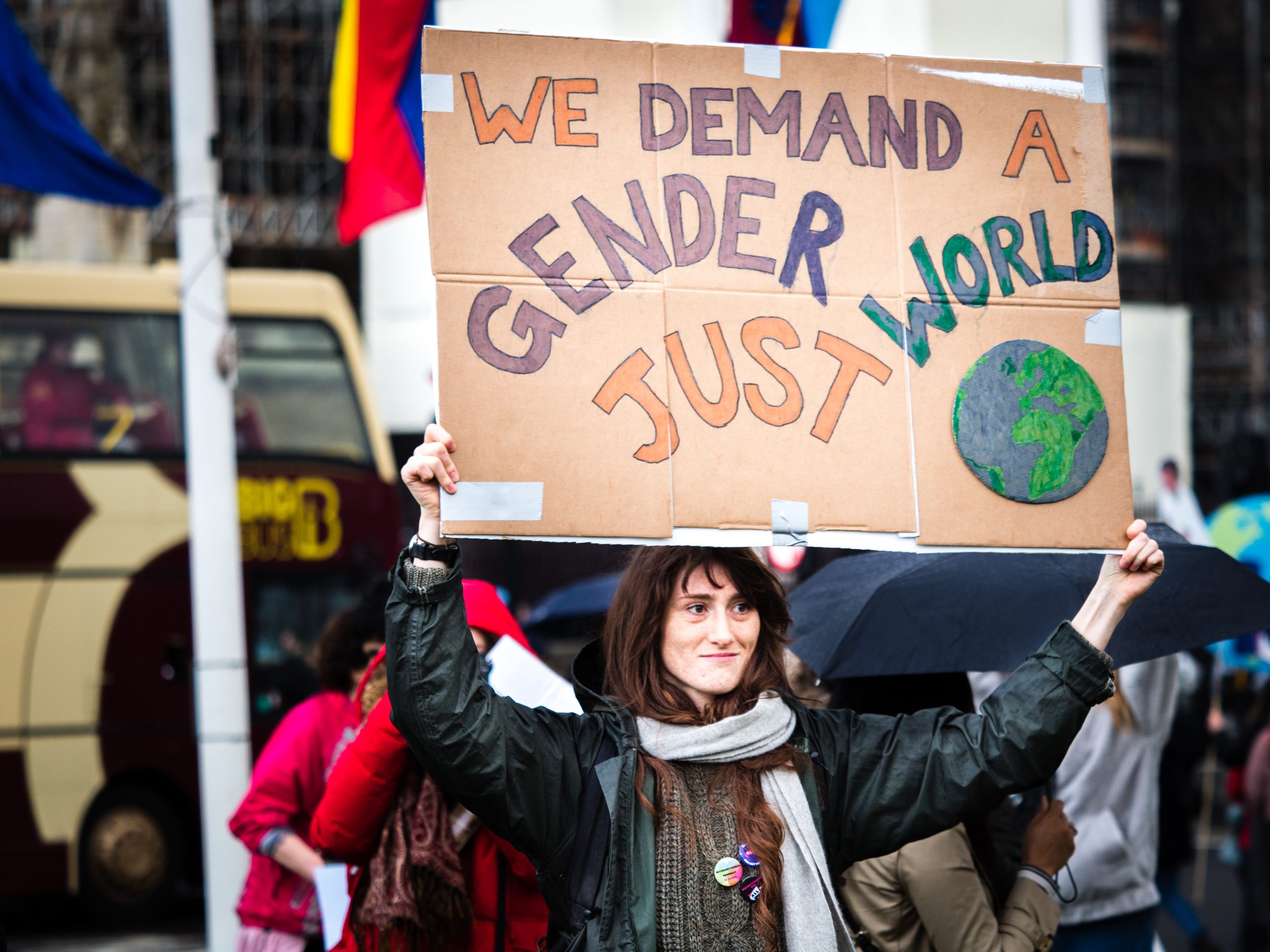
One might hear the rallying cry for global sisterhood on International Women’s Day marches or during campaigns demanding gender justice worldwide. But beneath the idealistic banners, is there a darker undercurrent of cultural imperialism? The insistence that progressive Western values constitute the pinnacle of feminist achievement sometimes blurs into an unyielding agenda, casting local customs and traditions as backward or oppressive shortcuts to be erased.
This phenomenon echoes colonial legacies—masked in benevolence—where the “civilizing mission” is replaced by feminist interventionism. The peril lies not only in disrespecting cultural sovereignty but also in engendering resistance and backlash from communities who feel imposed upon rather than supported. True solidarity demands listening to women’s voices, not just amplifying familiar Western refrains and exporting them across borders as gospel truths.
Economic Power and the Politics of Feminist Funding
Feminist activism rarely exists without economic influence, but the sway of Western donors and international institutions often steers agendas in subtle and overt ways. Funding pipelines may prioritize causes that align with Western liberal frameworks, bypassing grassroots movements that challenge neoliberal orthodoxies or focus on localized realities. This capitalist entanglement commodifies feminist efforts, transforming emancipatory politics into palatable packages tailored for global consumption.
When feminist movements become reliant on Western money, strategic autonomy diminishes. Local organizations may find themselves negotiating between their communities’ needs and donor expectations. This tension sows fragmentation and can erode the movement’s authenticity. Consequently, feminist struggles risk being depoliticized and rendered ineffective, serving as mere performative gestures in the global theater rather than engines of genuine transformation.
Reimagining Global Feminism: From Export to Exchange
The challenge before global feminism is formidable: to shed its Western monoculture and evolve into a truly heterogenous movement diverse in practices, values, and prescriptions. Feminism must transition from an export-driven model to a platform of exchange—one that honors multiple approaches to gender justice without hierarchizing or homogenizing them.
This reimagining entails decolonizing feminist knowledge, amplifying voices historically marginalized, and inscribing respect for context as foundational—not accessory. It demands an embrace of dissonance and paradox, acknowledging that different feminisms might embrace conflicting priorities while pursuing the same fundamental goal: liberation within their own terms.
Conclusion: Can Global Feminism Escape Its Western Shadow?
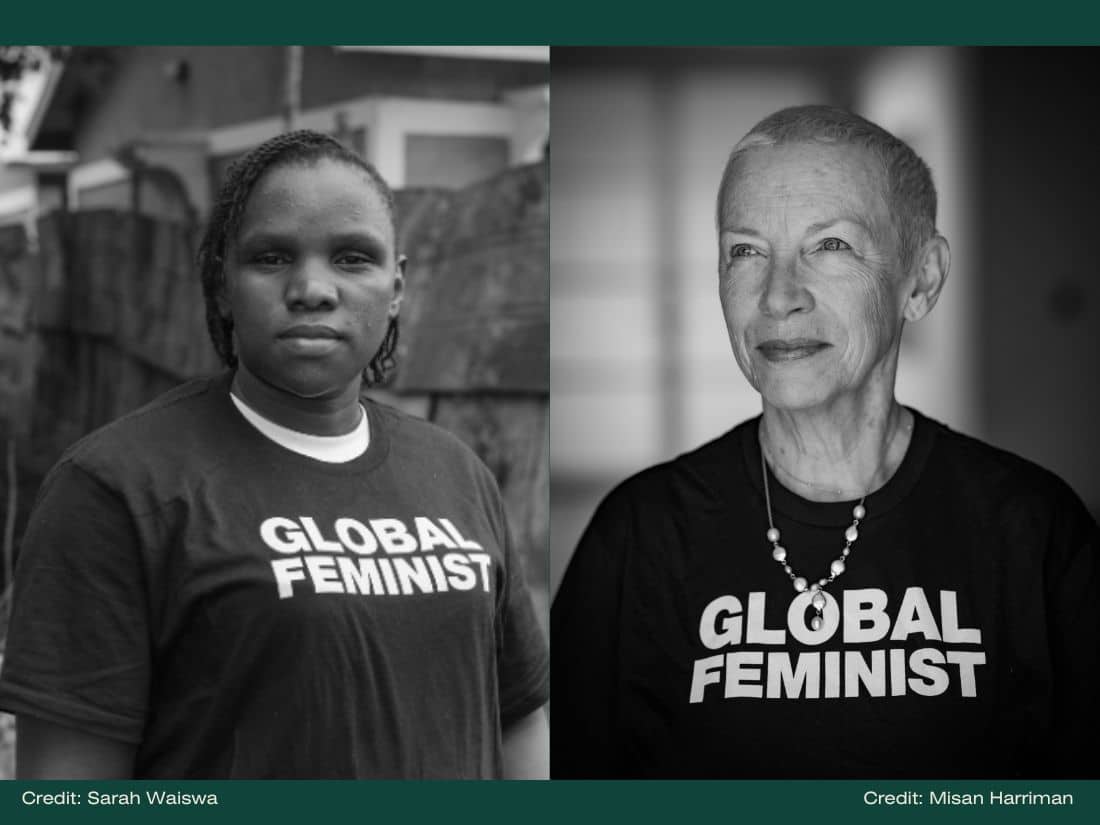
The question is no longer if global feminism has Western origins—it undeniably does. The firmer challenge lies in whether it can transcend those origins without disavowing them; in whether global feminist solidarity can be cultivated through cross-cultural humility rather than cultural imposition. The future of feminist activism depends on reckoning with this uncomfortable tension.
As feminists rally beneath flags that proclaim universal rights, they must remain vigilant not to replicate old hierarchies in new garb. If the movement is to truly liberate, it must do so on the playground of pluralism, where no single narrative reigns supreme. Only then will global feminism shed its exported past and fully blossom into the vibrant, multifaceted force it aspires to be.







Leave a Comment