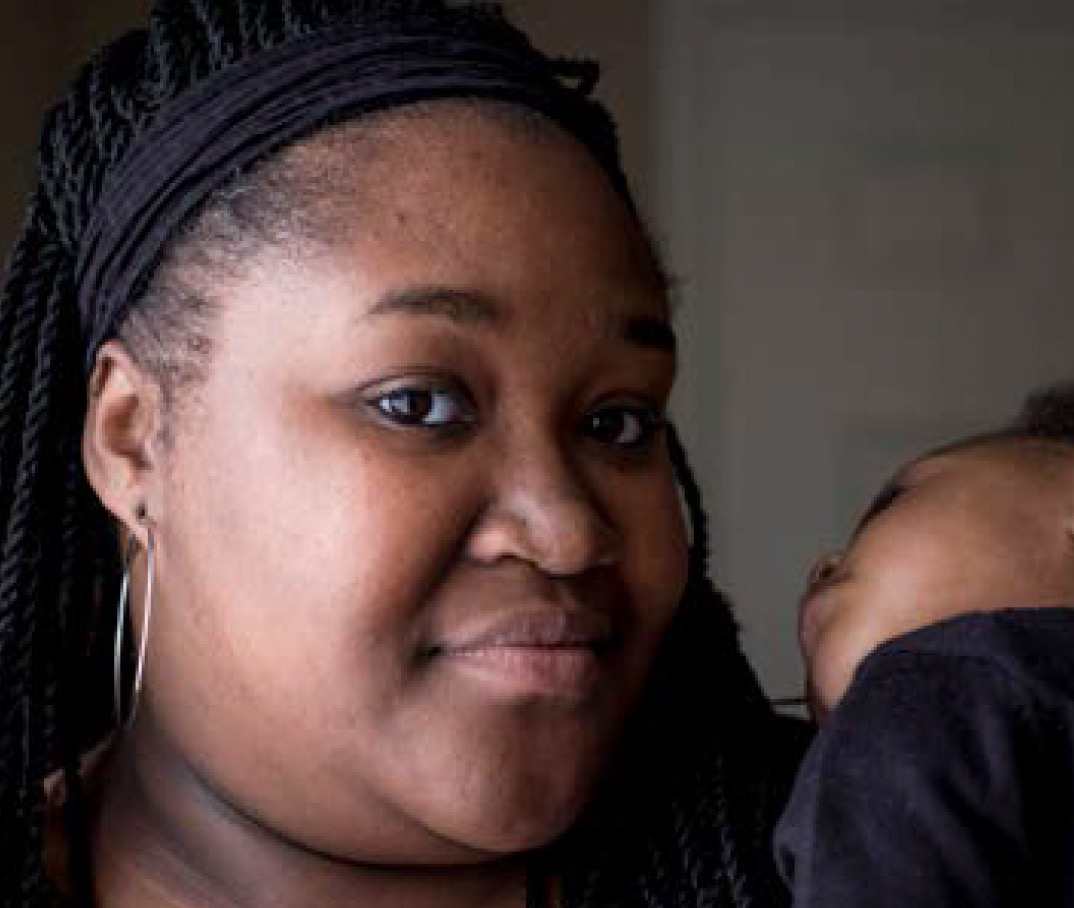
The specter of immigration detention looms large over the lives of women fleeing persecution, violence, and systemic oppression. It is not merely a bureaucratic inconvenience but a labyrinthine machinery designed to erode autonomy, dignity, and hope. Behind the cold statistics and policy jargon lies a human catastrophe—one where women are stripped of their agency, subjected to psychological torment, and denied even the most basic reproductive rights. This is not an abstract issue; it is a lived reality for thousands, where the promise of asylum is eclipsed by the brutality of detention.
The Myth of Protection: Detention as a First Resort
Governments often justify immigration detention as a necessary measure to “protect” national security or ensure compliance with deportation orders. Yet, this rhetoric crumbles under scrutiny. Women—especially those fleeing gender-based violence—are not criminals. They are survivors. Detaining them in facilities that resemble prisons, often in solitary confinement or with minimal oversight, is not protection. It is punishment. The very act of incarceration for seeking refuge is a grotesque inversion of justice, where the victim becomes the perpetrator of her own suffering.
Consider the euphemisms deployed: “alternative to detention,” “processing centers,” “secure facilities.” These terms sanitize the violence inherent in deprivation of liberty. Women in detention face heightened risks of sexual assault, medical neglect, and coercive interrogations. The irony is suffocating—those who flee abuse are re-traumatized by the very systems meant to shelter them.

The Bodily Betrayal: Reproductive Injustice in Detention
Pregnancy should be a sanctuary, not a sentence. Yet, for incarcerated women, it is a minefield of neglect and abuse. Reports of miscarriages, forced medical interventions, and denial of prenatal care reveal a chilling disregard for human life. The bodies of detained women are treated as collateral—tools to be managed, controlled, or discarded. When a woman miscarries in detention and is left unattended, the message is clear: her suffering is inconsequential.
This is not an anomaly. It is systemic. Detention centers, often run by private corporations with profit motives, prioritize cost-cutting over care. Women are shackled during labor, denied pain relief, and subjected to invasive searches. The reproductive rights of detained women are not just violated—they are erased. The state, in its zeal to police borders, has become an architect of bodily violence.
The Psychological Toll: Breaking the Spirit
Detention is not just a physical cage; it is a psychological prison. Women languish for months or years in limbo, their mental health deteriorating under the weight of uncertainty. The trauma of detention compounds pre-existing wounds—those fleeing war, domestic violence, or persecution find themselves re-experiencing their worst nightmares within the sterile walls of a detention center. Insomnia, depression, and PTSD are not side effects; they are intended outcomes of a system designed to break resistance.
Isolation exacerbates this suffering. Solitary confinement, a practice condemned by human rights organizations, is routinely used against detained women. The psychological toll of sensory deprivation and enforced solitude is well-documented—yet it persists. Why? Because a broken woman is an easier woman to deport. The system does not merely detain bodies; it seeks to annihilate spirits.
The Global Machinery: How Detention Centers Operate
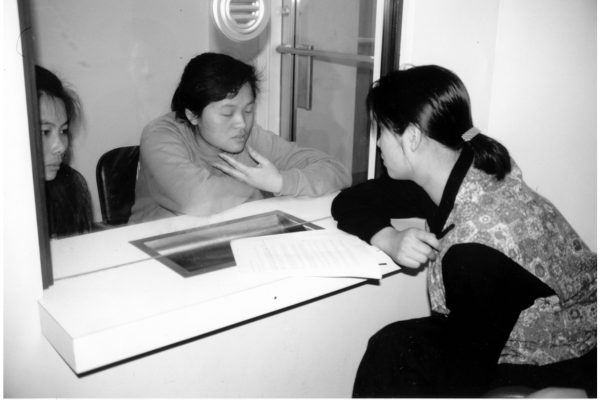
Detention centers are not monolithic; they are a patchwork of cruelty, tailored to local and international policies. Some are repurposed prisons, others converted warehouses. All share a common feature: a lack of transparency. Women are often denied legal counsel, family contact, and access to interpreters. The Kafkaesque nature of detention means that many do not even know why they are being held—or when they will be released.
The privatization of detention centers introduces another layer of exploitation. Companies like GEO Group and CoreCivic profit from human suffering, lobbying for harsher immigration policies to fill their beds. This is not governance; it is a racket. The more people detained, the more revenue generated. The more revenue generated, the more the system expands. It is a self-perpetuating cycle of oppression, where human lives are commodified.
The Resistance: Voices That Refuse to Be Silenced
Despite the machinery of detention, resistance persists. Women inside detention centers have organized hunger strikes, legal challenges, and public campaigns to expose the truth. Organizations led by formerly detained women, such as the Women’s Refugee Commission, have documented abuses and demanded accountability. Their testimonies are a testament to resilience—a refusal to be erased by the state.
Grassroots movements are also challenging detention on a systemic level. The abolition of ICE in the U.S., the closure of detention centers in Europe, and the decriminalization of migration are not utopian fantasies but urgent necessities. The fight is not just for policy change but for a fundamental reimagining of justice—one that centers care, not cages.
The Unseen Costs: Families and Communities
The impact of detention extends far beyond the individual. Children separated from their mothers, partners left in legal limbo, and communities fractured by deportation—these are the collateral damages of a system that treats people as disposable. The emotional and economic toll on families is incalculable. Yet, these stories are often sidelined in favor of sterile debates about “border security.” The truth is that detention does not make nations safer; it makes them complicit in human rights violations.
Consider the case of a mother detained for over a year while her children are placed in foster care. The state’s intervention does not “protect” her children—it punishes them. The trauma of separation echoes through generations, a stain on the collective conscience of any society that claims to value family.
The Path Forward: Dismantling the Cage
The solution is not reform—it is abolition. Detention must be dismantled, and alternatives like community-based case management, legal aid, and trauma-informed support must take its place. The myth that detention is necessary for “processing” asylum seekers is a lie. The vast majority of women comply with immigration requirements when given the chance. The real purpose of detention is control, not compliance.
This is not a call for naivety. There will always be those who argue for “tougher” policies, who frame compassion as weakness. But history has shown that the most progressive societies are those that reject cruelty in all its forms. The fight to end immigration detention is not just about policy—it is about reclaiming humanity in a world that too often forgets it.
The cages must come down. The women inside must be free.








Leave a Comment