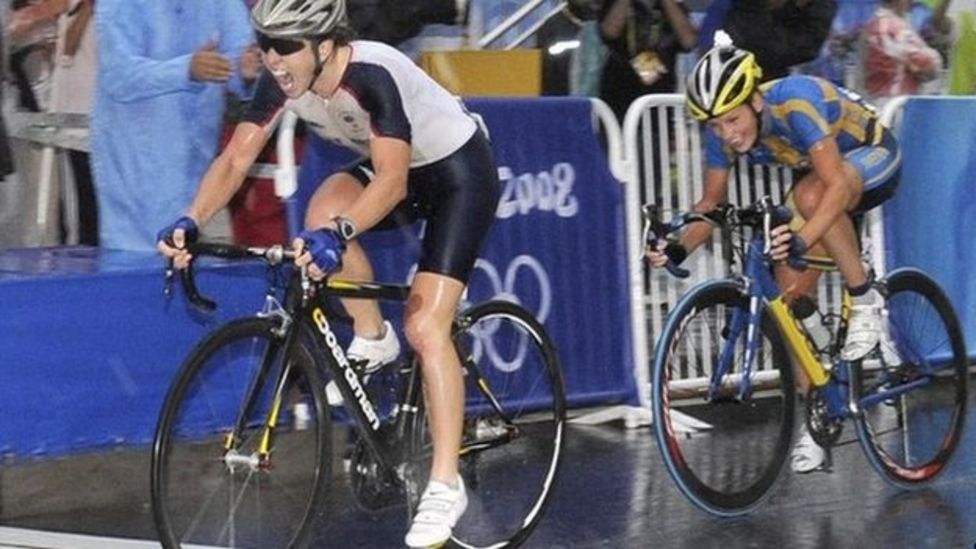
What if I told you that the greatest obstacle to women’s sporting glory isn’t the lack of funding, the stubborn glass ceilings, or even the relentless sexism in commentary? No. It’s the timing. The cruel, unrelenting tyranny of the sports calendar, which conspires to relegate women’s events to the graveyard shifts of viewership—late nights, early mornings, and weekends when families are busy with barbecues and grocery runs. Why, in an era where women’s sports are breaking records and captivating audiences, are their most thrilling moments still being buried in the broadcast equivalent of a back-alley brawl?
The Prime-Time Paradox: When Women Play, the World Doesn’t Watch
Picture this: the Women’s World Cup final. A spectacle of skill, strategy, and sheer athleticism. And yet, in many countries, it’s scheduled for a 4 PM kickoff on a weekday—when children are in school, commuters are stuck in traffic, and the only people glued to their screens are die-hard fans who’ve taken the day off. Meanwhile, the men’s final? A prime-time spectacle, beamed into living rooms at 8 PM, when the entire nation is primed for entertainment.
This isn’t coincidence. It’s systemic erasure. Broadcasters and sponsors, in their infinite wisdom, assume that women’s sports can’t draw a mainstream audience unless it’s shoehorned into the cracks of the schedule. But here’s the rub: when women’s events are given prime slots, they deliver. The 2023 Women’s World Cup final drew 1.5 billion viewers globally—more than the men’s final in 2018. So why, then, do we still treat women’s sports like a late-night infomercial?

The answer lies in a toxic cocktail of outdated assumptions and institutional laziness. Networks assume that families won’t tune in for women’s games because, well, they’ve never had to. Sponsors assume that women’s sports can’t command the same ad revenue, so they’d rather throw money at the same old tired narratives. And the cycle continues: poor scheduling leads to poor viewership, which leads to poor investment, which leads to… well, you get the picture.

The Weekend Warrior Problem: When “Family Time” Steals the Spotlight
Now, let’s talk weekends—the supposed golden hours of sports consumption. For men’s leagues, weekends are a non-negotiable temple of tradition: Saturday afternoons for football, Sunday evenings for basketball, Monday nights for… well, more football. But where do women’s events land? Often, they’re scattered like confetti in a hurricane—Friday nights, Sunday mornings, or, in a cruel twist of irony, during the same time slots as men’s “lesser” matches.
Why? Because the sports-industrial complex has decided that women’s sports are the dessert to the main course of men’s games. A palate cleanser. A “nice to have” rather than a “must-see.” And so, they’re relegated to the scraps of the schedule, when families are busy with Little League, grocery shopping, or pretending they enjoy brunch.
But here’s a radical thought: what if women’s sports were treated as the main event? What if the WNBA had the same primetime slots as the NBA? What if the Women’s Champions League final wasn’t buried under a pile of Champions League reruns? The data is clear—when women’s sports are given the same visibility, they thrive. The problem isn’t the audience. It’s the gatekeepers who refuse to open the gates.
The Menstrual Cycle Conspiracy: Or, Why No One Asks Men to Play at “That Time of the Month”
Let’s pivot to a more insidious form of scheduling sabotage: the assumption that women’s bodies are a variable to be managed, rather than a force of nature to be celebrated. How many times have you heard a commentator joke about “the time of the month” affecting performance? How many times have you seen a women’s tennis match scheduled during a tournament’s most grueling stretch, when fatigue and hormonal fluctuations are at their peak?
This isn’t just bad scheduling. It’s a subtle form of discrimination. Men’s sports are never scheduled around “biological rhythms.” No one suggests that the NBA move the Finals because LeBron might be “feeling hormonal.” And yet, women’s sports are constantly forced to contend with the myth that their bodies are a liability rather than an asset.
Take the 2021 Tokyo Olympics. The women’s gymnastics team final was scheduled for the morning, when the arena was half-empty and the broadcast was buried in favor of men’s events. Why? Because the powers that be assumed that fewer people would watch. But here’s the thing: women’s gymnastics is one of the most-watched sports in the Olympics. The audience was there. The problem was the timing.
This isn’t just about convenience. It’s about control. By scheduling women’s events during off-peak hours, organizers send a clear message: your time doesn’t matter. Your body doesn’t matter. Only the status quo does.

The Fix: A Call to Arms for Fans, Broadcasters, and Sponsors
So, what’s the solution? It’s not complicated. It’s not even expensive. It’s a matter of will.
First, broadcasters need to stop treating women’s sports like a secondary consideration. That means giving them the same prime-time slots, the same marketing budgets, and the same promotional push as men’s events. It means refusing to accept that women’s games are “niche” or “for a specific audience.” They’re not. They’re for everyone.
Second, sponsors need to demand better. If a brand is investing in women’s sports, they should be demanding that their events are scheduled in a way that maximizes visibility. No more late-night infomercials. No more weekend afterthons. If you’re putting money into women’s sports, you should be putting your money where your mouth is—and that means fighting for the best possible platform.
And finally, fans need to speak up. Tweet at networks. Email sponsors. Show up in droves when women’s events are scheduled fairly. The sports world responds to one thing above all else: the almighty dollar. And the almighty dollar follows the audience. So let’s make sure the audience is loud, proud, and unignorable.
Because here’s the truth: women’s sports aren’t a sideshow. They’re the main event. And it’s high time the world started treating them that way.











Leave a Comment