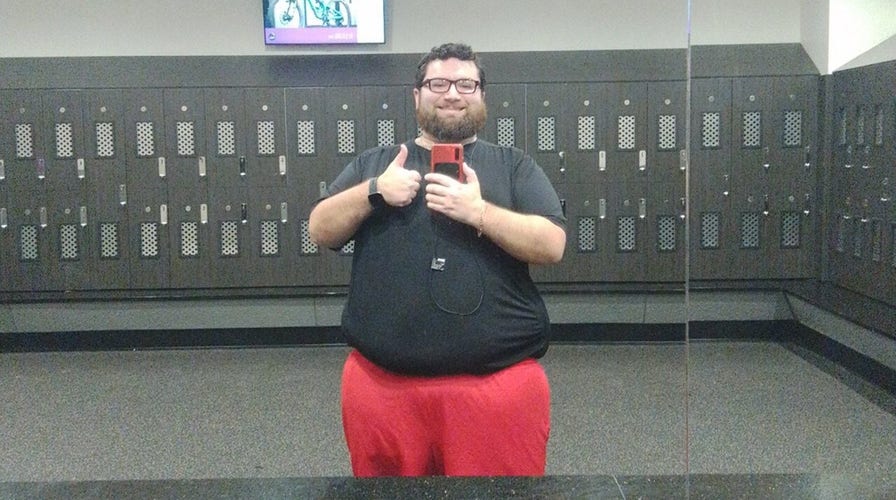
The body positivity movement often appears as a radiant garden blooming with promises of acceptance, celebration, and love. Yet beneath the surface, tangled vines of exclusion strangle the very diversity it claims to uphold. Among the most glaring omissions in this supposedly inclusive space are fat Black women—whose bodies are politicized, fetishized, and judged through a prism skewed by centuries of racialized bias. This is a story about the gaps in the narrative, the invisible bodies, and the courage it takes to reclaim space where even a movement meant to uplift can inadvertently perpetuate erasure.
The Mirage of Inclusivity: When “Fat Acceptance” Fails Black Women
To many, the body positivity movement gleams like a shimmering oasis—a place for fat bodies to finally feel seen and celebrated. Yet, for fat Black women, this oasis can transform into a mirage, its promise dissolving upon closer approach. The problematic undercurrent lies in the movement’s occasional confinement to a narrow aesthetic and racial comfort zone. Often dominated by predominantly white voices and ideals, fat acceptance spaces marginalize Black bodies by relegating them to side stories or excluding their unique struggles entirely.
Fat Black women carry the dual burdens of fatphobia and anti-Blackness, a grueling intersectionality that the mainstream body positivity discourse tends to gloss over. The all-too-common trope of the “angry Black woman” and the sexualization or hypervisibility of Black curves distort genuine representation. As if fatness alone were not enough of a battleground, the added weight of racial stereotypes renders fat Black women doubly invisible—or hypervisible in harmful, reductive ways.

Intersecting Oppressions: The Unique Challenges Faced by Fat Black Women
Fatphobia is no monolithic force; it fractures and morphs depending on race, class, gender, and geography. For fat Black women, it is an insidious amalgamation of societal contempt that manifests uniquely. The cultural narratives surrounding Black female bodies are fraught with contradictions: they are simultaneously hypersexualized and pathologized, expected to be both resilient and submissive.
Health narratives haunt fat Black women with toxic assumptions. Medical racism and stereotypical notions about Black bodies contribute to a skewed approach to wellness. The prevailing belief that all fat bodies are unhealthy is weaponized against Black women, justifying systemic neglect or inappropriate care. This reductive lens ignores the autonomy and lived experiences of fat Black women, perpetuating cycles of trauma under the guise of concern.
Fat Black Women as Radical embodiments of Resistance
Despite the exclusion, fat Black women have become fierce agents of radical self-love and embodiment—embodying a defiance that roars louder than societal rejection. Their very existence disrupts colonial, capitalist, and patriarchal standards that confine beauty and worth to narrow, sanitized versions of femininity and body size. Fat Black women reclaim their bodies as sites of cultural memory, collective struggle, and future possibility.
In embracing radical body love, many fat Black women reconstitute beauty as a powerful, multifaceted spectrum—one that refuses to be diluted to safe or palatable forms. Their stories and aesthetics are not mere adjuncts to body positivity but central to its evolution. They insist that the radical politics of body liberation must contend with race, history, and structural inequities to truly flourish.

The Danger of Palatable Narratives and the Need for Contextual Awareness
One of the profound dilemmas within mainstream body positivity is the sanitization of narratives for broader appeal. This often leads to the commodification of bodies deemed more “marketable” or “acceptable.” Thin- or medium-sized bodies, often white, receive more visibility, while fat Black women’s narratives are either sensationalized or erased entirely.
Moreover, the movement sometimes skirts the complex realities surrounding fatness among Black women, such as the socio-economic determinants of health, cultural attitudes towards body size, and the historical contexts of food deserts, discrimination, and trauma. Without this rigor, the movement risks perpetuating vague platitudes rather than fostering authentic liberation.

Pathways Forward: Toward an Intersectional Body Positivity
Building a truly inclusive body positivity movement requires unflinching interrogation of who benefits, who is left behind, and why. Intersectionality must be the compass guiding every conversation. Fat Black women must not be tokenized but centered—not as exceptions, but as vital examples of the movement’s promises and pitfalls.
True inclusivity demands dismantling institutional biases that perpetuate fatphobia and anti-Blackness within healthcare, media, and everyday interactions. It means amplifying fat Black women’s voices, stories, and leadership. It means rejecting respectability politics that demand fit-in-the-box presentations of body positivity.
Only through embracing the full spectrum of Black fat femininity—its contradictions, its pains, its triumphs—can the body positivity movement evolve from a partial projection to a revolutionary force. A force that does not only cultivate a radiant garden but uproots the thorny vines of exclusion choking freedom beneath.







Leave a Comment