
Have you ever wondered what happens when a woman rebels against decades—if not centuries—of ingrained dress codes and social expectations? Imagine this: one day, she decides to ditch the bra. Not out of convenience or laziness, but out of sheer necessity spurred by discomfort and an unexpected awakening. What would change? Would the world around her shift—or would it recoil in judgment? More intriguingly, could this simple act alter not only her physical well-being but also the subtle dynamics among her male colleagues? The story that unfolds challenges conventions and invites a playful yet piercing inquiry into entitlement, comfort, and perception.
The Hidden Torture of Bras: Beyond Fashion to Physical Strain
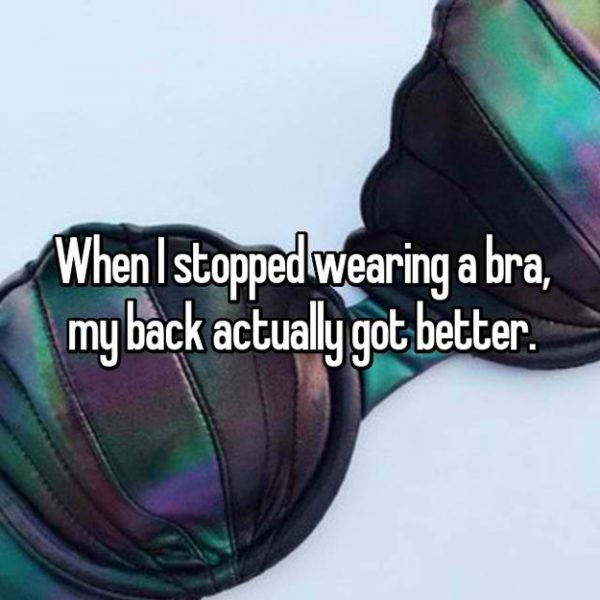
Bras, despite their ubiquitous presence in women’s wardrobes, have long carried a double-edged reputation. Marketed as essentials for support and allure, they often masquerade as instruments of subtle oppression—tightening, constricting, and sometimes sabotaging one’s own body. For many, wearing a bra poses a near-ritualistic obligation with unseen consequences. One woman’s journey toward liberation from this confining garment uncovers a surprising secret: her chronic back pain, a nagging thorn in her day-to-day life, began to diminish.
The deep-rooted anatomical truth is that ill-fitting bras or those demanding excessive compression can distort natural posture and strain muscles over time. With straps digging into shoulders and underwires pressing upon ribs, it’s no wonder that tension headaches, shoulder stiffness, and spinal misalignment often follow. Upon removing this daily apparatus, her back started thanking her in subtle muscles unwinding and pain points easing. What was cloaked as feminine necessity revealed itself as physical bondage.
When Comfort Breeds Confidence: Rewriting Personal Narratives
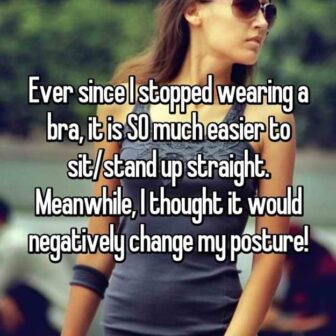
It’s not merely the relief from pain that emboldens this renegade choice. Acting free of the brassiere signifies reclaiming bodily autonomy—an affirmation that comfort outweighs conformity. Shedding the bra demands shedding layers of ingrained self-policing. Suddenly, everyday movements felt less constrained. Her posture improved naturally without the artificial levels of compression. She stands taller—not because of the garment’s support, but because she feels empowered.
Every small gesture from walking the office corridors to grabbing a coffee embraced this newfound liberation. In moments quiet and intimate, a playful defiance brews. Was a simple lack of fabric capable of recalibrating her inner narrative so profoundly? Absolutely. She challenged centuries-old norms and asked society a blunt question: why do we accept discomfort as femininity’s price?
Male Opinions: From Judgment to Curiosity and Respect
What happens when this quiet rebellion intersects with the male gaze—especially among colleagues conditioned by cultural scripts? Initially, her choice rattled stereotypes. Some smirked, others visibly cringed. The deeply embedded notion that a woman’s bras define her professionalism flared up in hushed office chatter. Yet, as days turned into weeks, an unexpected phenomenon unspooled: conversations shifted.
Without the bra as a silent signifier of conformity, male colleagues began to perceive an aura of authentic confidence beyond superficial appearances. Their opinions morphed from judgment to intrigue and ultimately respect. One might speculate that shedding the bra signaled an intense form of self-respect—that she prioritized her health and authenticity above shallow aesthetics or societal expectations. Such a strong statement unavoidably influences workplace dynamics, encouraging men to reconsider their own biases and assumptions about gendered appearance codes.
What started as subtle eyebrow raises evolved into more candid discussions about workplace inclusivity and personal freedom. It fostered a curiosity that transcended mere physicality and ventured into the realms of empathy and human dignity. Perhaps the discomfort many men initially felt stemmed from witnessing vulnerability face social norms head-on—an uncomfortable mirror reflecting their own conditioned rigidity.
Challenging the Status Quo: Is This the Beginning of a Movement?
If one woman’s choice to stop wearing a bra can ripple through physical well-being and social perception, what might happen if many followed suit? We live in a culture that dictates “appropriate” female attire with rigid rules, many of which have little grounding beyond control and conformity. Discarding the bra is a subtle yet potent act of rebellion against these invisible chains.
Is this just an individual health decision, or a harbinger of broader shifts toward bodily autonomy and dismantling patriarchal expectations? The act challenges not only fashion norms but the underlying assumption that women must endure discomfort to be deemed acceptable or professional. It interrogates how gendered apparel functions as a currency in workplace politics and social validation.
The bra, long considered a feminist battleground, reemerges here as a symbol—one whose removal might catalyze deeper conversations about freedom, identity, and the politics of the female body. Shedding it means more than physical relief; it’s an invitation to rethink unexplored territory in gender dynamics and interpersonal respect.
Conclusion: The Bra as a Metaphor and a Choice
So, what do we learn from this simple yet radical act of going braless? It’s a daring question posed to society with an answer that resonates far beyond the garment itself. Physical pain relieved; male colleagues’ opinions evolved; a cultural challenge ignited. Her decision encapsulates a profound truth: freedom often lies in the small things we dare to question. Bras, long heralded as indispensable, can be cast off when conscience, comfort, and courage align.
In this playful yet serious contemplation lies an open-ended challenge: What societal “musts” are we all adhering to without asking why? And how might our lives transform if we—like her—choose to rewrite the script?








Leave a Comment