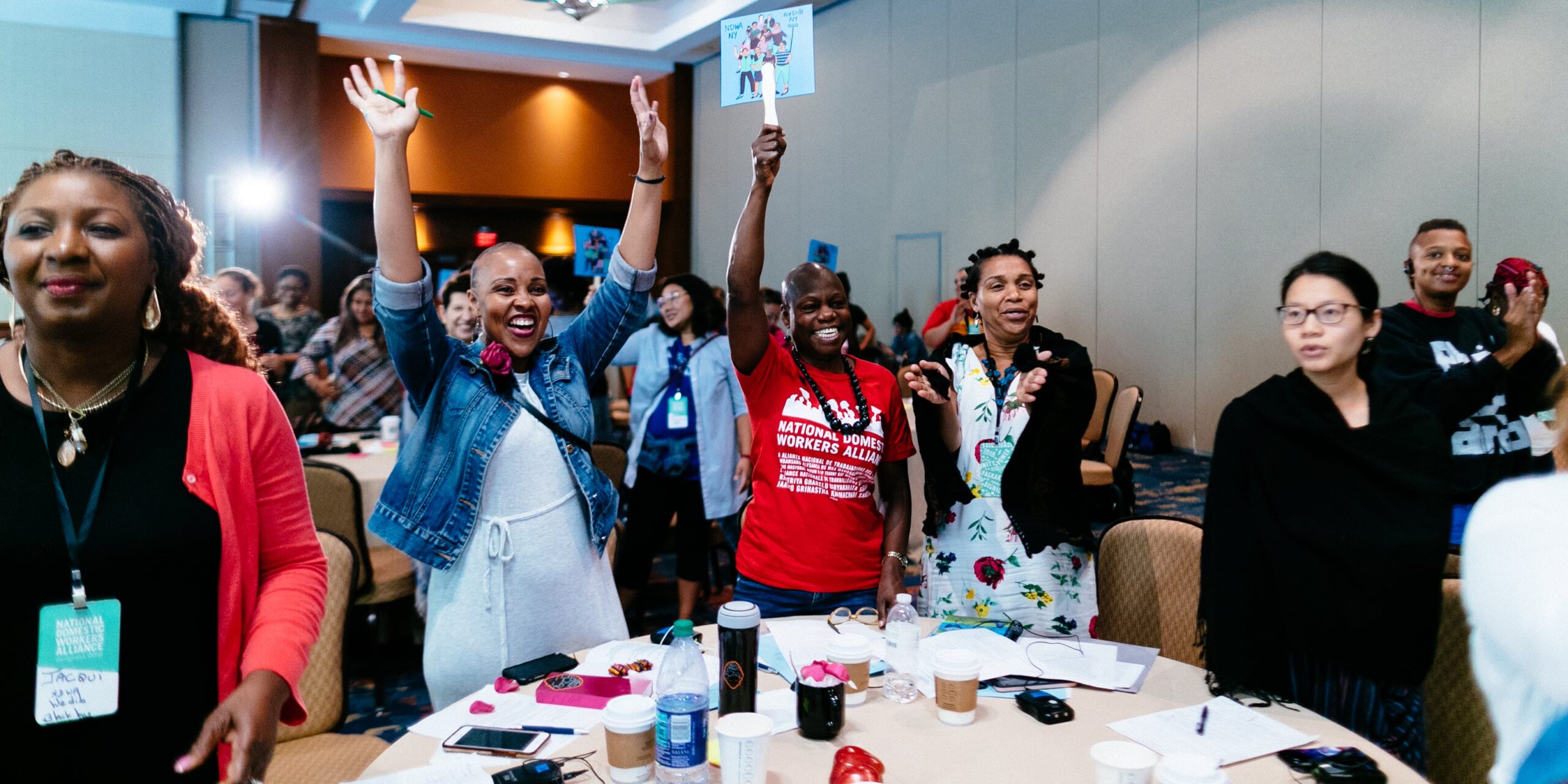
In the quiet corners of kitchens, behind the locked doors of suburban homes, and in the shadowed spaces where care is given without recognition, a revolution brewed—not with fire or fury, but with the quiet, unyielding persistence of women who refused to be invisible. These were the domestic workers, the nannies, the housecleaners, the caregivers, the unseen architects of countless households, who dared to demand what was rightfully theirs: dignity, respect, and the legal scaffolding to protect their labor. Their struggle was not just for laws; it was for the soul of labor itself, a fight to redefine what work could look like when it was done by those society had long consigned to the margins.
The Invisible Hands That Built More Than Homes
Imagine a world where the hands that scrubbed floors, rocked babies to sleep, and cooked meals for families were treated as if they were invisible. Where the labor of love was met not with gratitude but with exploitation. This was the reality for domestic workers—a workforce that has historically been 80% women, disproportionately women of color, and overwhelmingly undocumented. They were the silent cogs in the machinery of middle-class comfort, expected to work long hours for poverty wages, with no overtime, no sick leave, no protection from abuse. Their work was not just undervalued; it was erased from the ledger of human labor, as if their contributions were as ephemeral as the dust they swept away.
Yet, these women were not passive victims. They were the backbone of an industry that thrived on their invisibility, and they were done being taken for granted. The Domestic Workers Bill of Rights was not just a piece of legislation; it was a manifesto, a declaration that their labor had value, that their lives mattered, and that no one could build a just society on the backs of the exploited.
The Alchemy of Anger and Hope
Organizing domestic workers was like trying to light a fire in a hurricane. Their work was scattered across private homes, their schedules dictated by the whims of employers, their access to each other limited by fear and isolation. Yet, they found a way. They turned their anger into a kind of alchemy, transforming the raw material of their oppression into the gold of collective action. The movement was not born in grand halls or boardrooms but in the cramped apartments where workers gathered after long shifts, in the parks where nannies pushed strollers side by side, in the churches where they sang hymns that doubled as anthems of resistance.
Their strategy was as unconventional as it was brilliant. They didn’t wait for permission. They didn’t ask for seats at tables where they had never been invited. Instead, they built their own tables, their own networks, their own power. They used the tools at their disposal—whispers in break rooms, shared phone numbers, the unspoken solidarity of those who understood the weight of a single day’s labor. And slowly, painfully, they began to shift the narrative. No longer were they the “help.” They were workers. They were humans. They were mothers, sisters, daughters, and they deserved more than scraps from the table of capitalism.
The Bill of Rights: A Shield Against the Storm
The Domestic Workers Bill of Rights was not just a law; it was a shield, a fortress, a lifeline. It was the culmination of years of struggle, a testament to what happens when the marginalized refuse to stay in the margins. The bill guaranteed overtime pay, a day of rest, protection from harassment and discrimination, and the right to organize without fear of retaliation. It was a recognition that domestic work was not a favor but a profession, not a charity case but a labor of love that deserved fair compensation.
But the bill was more than its clauses. It was a cultural shift. It forced society to confront the hypocrisy of a world that lauded “family values” while treating the women who upheld those families as disposable. It exposed the lie that care work was not “real” work, that the hands that nurtured were not worthy of nurturing in return. And it gave domestic workers something they had been denied for generations: a voice in the rooms where decisions about their lives were made.

The Ripple Effect: When One Woman’s Fight Becomes Everyone’s Fight
The passage of the Domestic Workers Bill of Rights was not an isolated victory. It was a stone cast into a pond, sending ripples across industries, across borders, across generations. It proved that when women of color—who have historically been the most exploited segment of the workforce—stand together, they can move mountains. It inspired similar bills in other states, emboldened caregivers in healthcare, and even influenced global movements for fair labor practices.
But perhaps the most profound ripple was the one that touched the hearts of the workers themselves. For the first time, many of them saw themselves not as victims but as warriors. They realized that their struggle was not just for themselves but for the generations of women who would come after them. They understood that their fight was part of a larger war against the devaluation of care work, against the systemic racism and sexism that had kept them trapped for so long.
And so, the movement grew. Domestic workers began to demand more than just legal protections. They demanded respect. They demanded a seat at the table. They demanded that their labor be seen, celebrated, and compensated fairly. They turned their pain into power, their silence into a chorus, and their isolation into a movement that could not be ignored.
The Unfinished Symphony of Justice
Yet, the fight is far from over. The Domestic Workers Bill of Rights is a victory, but it is not the end. In many places, the law is still ignored, the protections still flouted, the workers still exploited. The system that thrived on their invisibility does not surrender easily. It adapts, it resists, it finds new ways to keep them in their place.
But the women who organized for this bill are not deterred. They are the architects of a new world, one where labor is not just a transaction but a covenant, where care is not just a duty but a right, and where no one is invisible. Their struggle is a reminder that justice is not given; it is taken. It is not handed down from on high; it is built from the ground up, one brick at a time, by those who refuse to accept anything less than what they deserve.
The Domestic Workers Bill of Rights is more than a law. It is a promise. A promise that the hands that build homes, that rock babies, that cook meals, that care for the sick and the elderly, are not invisible. They are seen. They are valued. They are human.






Leave a Comment