
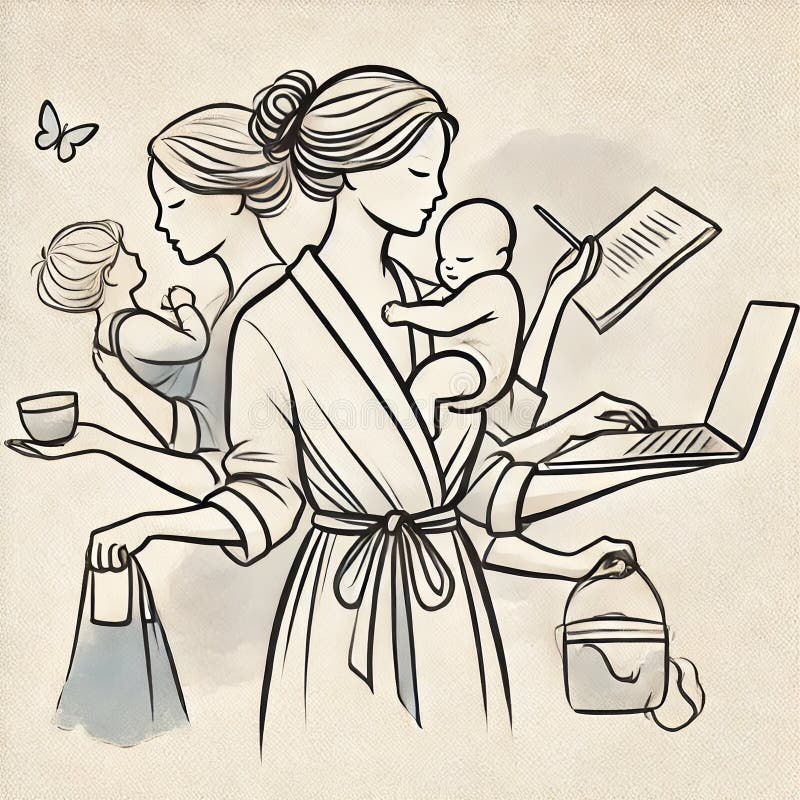
When the clock strikes five, many working mothers brace themselves for the invisible, grueling marathon known as the second shift. This is the hour when the wage-earning workday fades, but the relentless demands of domestic labor and emotional labor roar to life. The second shift is not merely a task list—it is a battleground fraught with exhaustion, societal expectation, and the continuous balancing act that remains largely unacknowledged outside the domestic sphere. This article delves into the multifaceted realities of the second shift, unearthing the emotional toll, the impossible time management puzzle, the side-door opportunities like night shifts, and how these experiences blend into the relentless fabric of working motherhood.
The Emotional Maelstrom of the Evening Exodus
After hours of professional exertion, a working mother’s transition from career to caregiver is often marked by invisible emotional labor that defies clocking out. The invisible tally that accumulates consists of orchestrating children’s needs, managing household dynamics, and the mental choreography of maintaining harmony and nurturing relationships. The “second shift” is aptly named—not only for the work that begins after one’s daytime job ends, but for the emotional acuity required to navigate competing demands. Feelings of guilt, fatigue, and resentment simmer beneath the surface, amplified by societal narratives that glorify maternal sacrifice without acknowledging the profound cost.

This emotional maelstrom is exacerbated by persistent societal undercurrents that expect mothers to epitomize unfailing patience and unwavering commitment. The psychological weight of this expectation creates a dichotomy where the professional and the personal collide, forcing many women to suppress their own needs while amplifying those of others.
Time Management: The Herculean Puzzle
Juggling a daytime career and the second shift evokes a Sisyphean struggle against time itself. Working mothers inhabit a fragmented reality, where minutes are siphoned into meal preparation, homework supervision, laundry cycles, grocery runs, and bedtime rituals—often simultaneously. Time becomes a precious, commodified resource subject to endless negotiations with competing priorities and relentless interruptions.

The artful mastery of time management demands ruthlessness and creativity. Lists are crafted as lifelines, schedules impose discipline, and quick fixes momentarily relieve pressures. Yet, no amount of planning can fully repudiate the exhaustion that seeps in when hours for personal rest vanish beneath the tides of obligation. The second shift stretches beyond mere chore execution—it is a continuous recalibration of energies against impossible demands.
Night Shift and Alternative Work Hours: Surreptitious Avenues of Flexibility
Some working mothers circumvent the conventional nine-to-five trap by engaging in night shift work or alternative schedules. While often framed as solutions to childcare conundrums or career advancement, these options carry their own unique burdens. Night shifts can offer financial benefits and elusive child-care logistics, but they exact a toll on the body’s circadian rhythms and mental fortitude.

This paradigm reveals a hidden fracture in our societal structures where inflexible working hours collide with the inflexibility of caregiving responsibilities. Night shifts or flexible schedules may provide pragmatism, but also deepen the labyrinthine challenges of work-life balance, demanding resilience beyond the ordinary. These unconventional schedules often tether mothers to continuous labor cycles, blurring the lines between rest and responsibility.
Societal Expectations and the Myth of Maternal Superwoman
Underlying the daily realities of the second shift is the mythic idealization of mothers as self-sacrificing, omnipotent caretakers. This trope is both a balm and a burden, valorizing maternal labor silently while cloaking systemic inequalities in a veil of personal choice. The myth of the “superwoman” imposes suffocating standards, delegitimizing cries for help and obscuring the infrastructural supports desperately needed.
Working mothers confront a Faustian bargain where seeking assistance or expressing fatigue is often stigmatized, reinforcing isolation and perpetuating burnout. A critical reckoning with these myths is paramount; it necessitates dismantling outdated gendered expectations and advocating for societal change that honors caregiving as shared responsibility, not solitary sacrifice.
Strategies of Resistance and Empowerment
Amid the turbulence of the second shift, many mothers forge pockets of resistance and empowerment, creating communities, leveraging technology, and demanding policy reforms. From advocacy for paid family leave to the expansion of affordable childcare and flexible work arrangements, these strategies offer glimmers of hope. Empowerment also emerges through cultural dialogues that validate emotional vulnerability and challenge the asymmetry of caregiving labor.
Personal boundaries become acts of defiance—saying no to perfectionism, asking for support, and reclaiming moments for self-care are radical acts in a landscape designed to erase the self. Collective action and solidarity amongst working mothers pivot the discussion from individual resilience to systemic change.
Conclusion: The Second Shift is a Call for Reckoning
The second shift that begins promptly at 5 PM is more than a routine; it is a testament to the relentless, often invisible toil shouldered by working mothers. It exposes fissures in workplace policies, social attitudes, and cultural mythologies. Recognizing the complexity of these intertwined shifts—professional, emotional, domestic—demands more than acknowledgment; it calls for transformative action.
To honor the realities of working mothers, society must dismantle structures that perpetuate inequality and invisibilize caregiving labor. Beyond applause and platitudes, tangible change must ensure that no mother is left to bear the second shift alone. The time for that reckoning is now.










Leave a Comment