What if the most dangerous map in the world isn’t drawn with borders or bombs, but with the invisible ink of systemic oppression? What if the real frontlines of climate catastrophe aren’t just coastlines eroding into the sea, but the quiet suffocation of communities choked by policies that refuse to see their suffering? This isn’t some dystopian thought experiment—it’s the lived reality of environmental racism and sexism, two forces that don’t just overlap, but entangle, creating a deadly synergy that leaves bodies broken, lungs scarred, and futures stolen.
The Cartography of Oppression: Who Gets Left Off the Map?
Imagine a world where the most vulnerable bodies are rendered invisible—not because they don’t exist, but because the systems that govern our planet have already decided they don’t matter. This is the brutal logic of environmental racism, a phenomenon that doesn’t just distribute pollution unevenly; it concentrates it in the bodies of Black, Indigenous, and working-class women, who bear the brunt of toxic waste dumps, lead-poisoned water, and the slow violence of climate collapse. These are not accidental spillovers of progress—they are deliberate omissions from the maps that dictate who deserves clean air, who gets to breathe, and who is left to choke.
But here’s the twist: this isn’t just about race. It’s about the way gender amplifies the harm. Women, particularly women of color, are not just passive victims of environmental degradation—they are the canaries in the coal mine, the first to feel the tremors of ecological collapse because their labor, their health, and their communities are deemed expendable. From the pregnant women in Flint, Michigan, whose water poisoned their unborn children, to the Indigenous mothers in the Amazon whose breast milk now carries the toxins of unchecked deforestation, the intersection of racism and sexism doesn’t just overlap—it multiplies the damage.

The Body as Battleground: How Pollution Wears a Skirt
Let’s talk about the body—specifically, the female body—as a site of environmental warfare. Women’s bodies are not just collateral damage in the war on the planet; they are targets. The lead in the water of predominantly Black cities doesn’t just corrode pipes—it seeps into the bloodstreams of Black girls, stunting their cognitive development before they even learn to read. The pesticides sprayed on industrial farms don’t just poison the soil—they disrupt the endocrine systems of Latina farmworkers, turning their wombs into battlegrounds for hormonal chaos. And the plastic waste dumped in Global South countries doesn’t just choke the oceans—it poisons the breast milk of mothers who have no choice but to feed their infants contaminated nourishment.
This is not metaphor. This is biopolitics—the state’s quiet war on the reproductive and physical autonomy of marginalized women. When a corporation dumps toxins in a community of color, it’s not just an environmental crime; it’s a gendered one. When a government fails to regulate industrial emissions, it’s not just negligence—it’s a femicide by omission. The bodies of women of color are not just collateral in the climate crisis; they are the primary casualties, and the maps that chart this violence are drawn in the same ink used to erase their names from history.
The Myth of the “Neutral” Environment: Who Decides What’s Natural?
There’s a lie we’ve been sold: that nature is neutral, that the environment is a passive stage where humans play out their dramas of progress and profit. But nature is not neutral. The air we breathe, the water we drink, the land we till—these are not gifts from a benevolent Earth. They are commodities, and like all commodities, they are distributed along lines of power. The same systems that profit from pollution are the ones that decide who gets to live in its shadow.
And who makes those decisions? Overwhelmingly, white men in boardrooms and government offices, far removed from the communities they’re poisoning. These are the architects of environmental injustice, the ones who write the zoning laws that place toxic waste sites next to schools in Black neighborhoods, who greenlight pipelines that rupture through Indigenous lands, who turn a blind eye to the fact that women—especially women of color—are the ones who will bear the health consequences of their greed. The environment is not neutral; it is a mirror, reflecting back the inequalities we refuse to dismantle.

The Invisible Labor of Resistance: Who Cleans Up the Mess?
But here’s the thing about oppression: it’s never one-sided. For every pipeline built, there’s a pipeline resistance. For every toxic dump, there’s a community organizing to shut it down. And who is at the forefront of this fight? Women. Black women, Indigenous women, working-class women—the ones who have always been expected to clean up the messes of others, even when the mess is their own suffering.
These are the women who turn their kitchens into clinics when the nearest hospital is too far. The ones who teach their children to filter water with old t-shirts because the government won’t. The ones who chain themselves to trees to stop deforestation, who sue corporations for poisoning their land, who carry the emotional labor of holding their communities together in the face of ecological collapse. This is not just activism—it’s survival labor, the unpaid, undervalued work of keeping bodies alive in a world that would rather let them die.
And yet, when the victories come—when a toxic waste site is shut down, when a pipeline is rerouted—these women are often the ones left out of the headlines. Their labor is invisible, their names forgotten, their bodies treated as disposable even in the movements that claim to fight for justice. The environmental justice movement cannot succeed if it continues to treat women as footnotes in its own history.
The Question We Can’t Afford to Ignore: What If We Fought Back Differently?
So here’s a question to chew on: What if the fight against environmental racism and sexism wasn’t just about stopping the harm, but about reimagining the world entirely? What if, instead of begging for crumbs from the tables of polluters, we torched the banquet hall and built something new? What if the maps we drew didn’t just chart the locations of toxic waste, but the sites of resistance, the places where communities are already reclaiming their power?
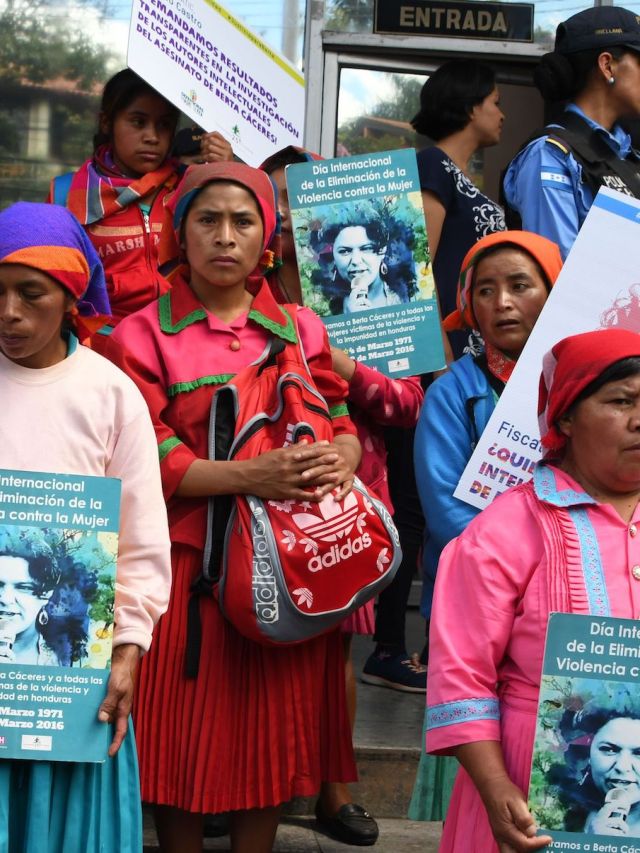
This isn’t utopian dreaming. This is what happens when women of color lead. From the Mothers of East Los Angeles who stopped a toxic waste incinerator in the 1980s, to the Water Protectors at Standing Rock, to the Black Lives Matter activists who linked police violence to environmental racism, these are the movements that don’t just demand change—they enact it. They don’t wait for permission. They don’t ask for seats at tables that were never meant for them. They build new tables.
The overlap of environmental racism and sexism is deadly, but it’s not invincible. The question isn’t whether we can stop the harm—it’s whether we’re willing to fight back with the same ferocity that the system fights us. And if we are, then the next map we draw won’t just show the scars of oppression. It will show the scars of resistance—and the futures we’re building in their place.






Leave a Comment