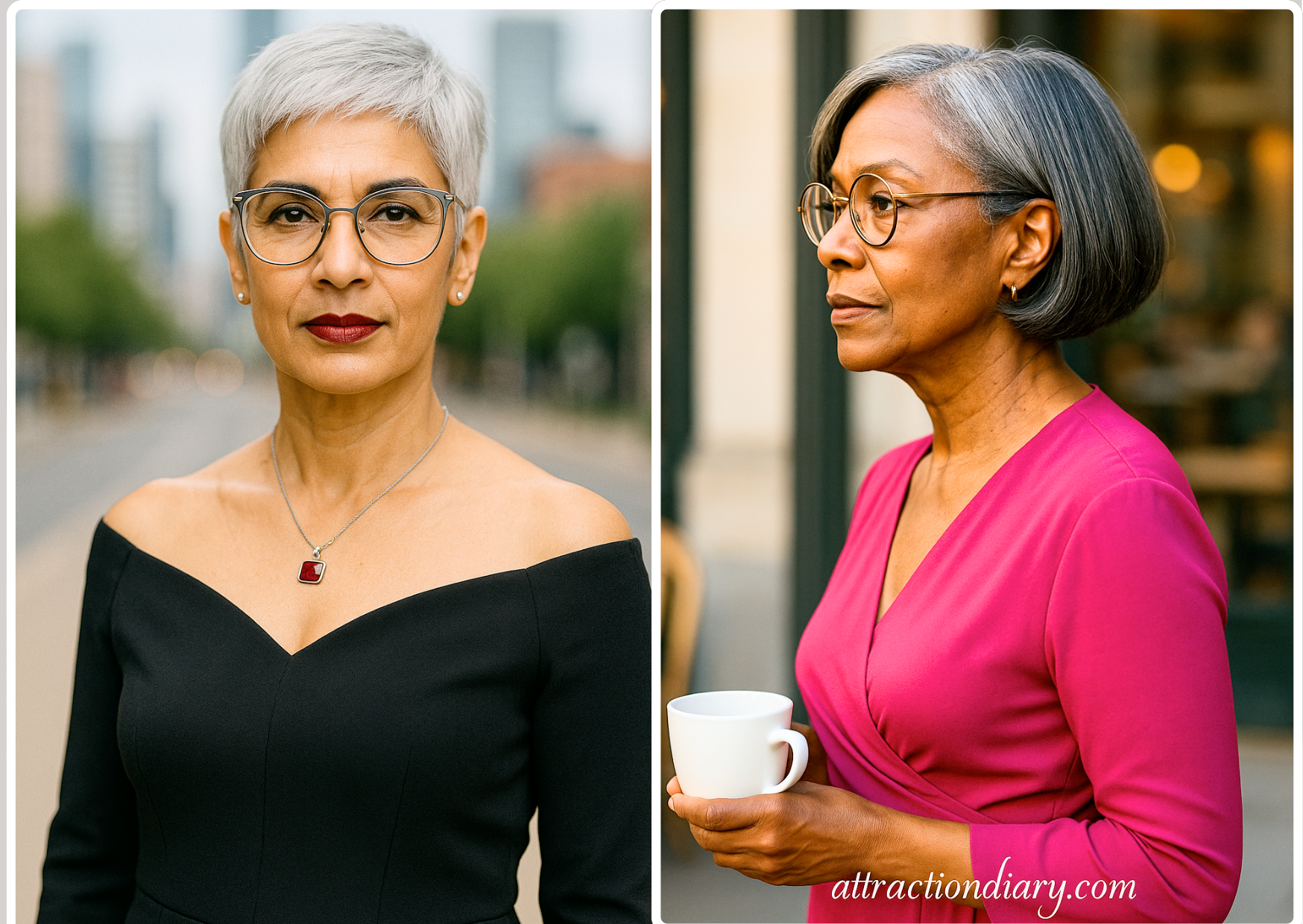
What if I told you that every morning, you’re not just choosing an outfit—you’re negotiating a silent contract with the world? A contract that demands you appear effortlessly polished, even when your body aches for sweatpants and your soul craves chaos. Welcome to the invisible labor of looking presentable, a daily ritual that disproportionately burdens women, femmes, and marginalized bodies, all while society pretends it’s just “common sense.”
The Tyranny of the “Effortless” Look
There’s a myth perpetuated by glossy magazines and corporate wellness gurus that looking presentable should feel like second nature—like breathing or blinking. But let’s be real: the “effortless” aesthetic is a carefully curated illusion, the result of hours spent in front of mirrors, experimenting with contour, adjusting straps, and cursing at stray hairs. The expectation isn’t just to look good; it’s to look like you didn’t try too hard, even as you’re drowning in the effort.
Consider the pressure to maintain a “natural” appearance while simultaneously adhering to impossible standards of symmetry, smoothness, and youth. Every tweak of the eyeliner, every plucked eyebrow, every shaved leg is a negotiation between authenticity and compliance. The message is clear: your body is a project, and your job is to make it look like you haven’t been working on it at all.
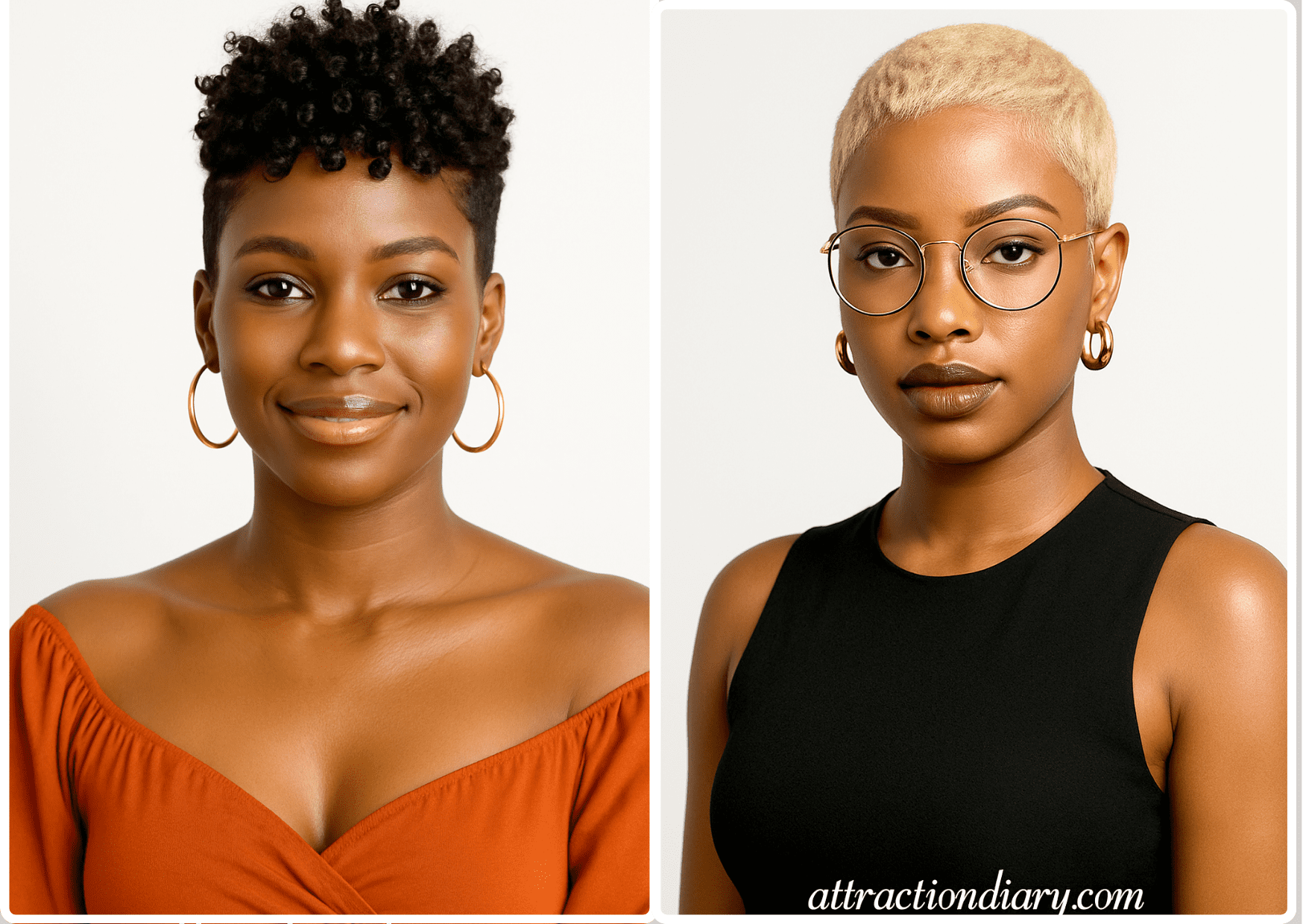
The Unpaid Emotional Labor of Presentation
Looking presentable isn’t just about the physical act—it’s an emotional marathon. It requires anticipating the judgments of strangers, colleagues, and even loved ones before they’ve had a chance to form them. Will my outfit be “too much”? Will my hair be “unprofessional”? The mental gymnastics of second-guessing every sartorial choice is exhausting, yet it’s treated as a personal failing when the anxiety becomes unbearable.
This labor is compounded for those who don’t fit the narrow mold of conventional beauty. Dark-skinned women spend hours researching makeup techniques to avoid looking “ashy.” Plus-size individuals navigate a world where “presentable” often means hiding their bodies in shapeless fabrics. Disabled people fight against the assumption that their appearance is inherently “messy” or “unkept.” The emotional toll of constantly adapting to these expectations is rarely acknowledged, let alone compensated.
The Myth of “Choice” in Presentation
Society loves to frame personal presentation as a matter of individual choice—”just wear what makes you happy!”—but this ignores the very real consequences of defying norms. A woman in a sleeveless dress might face catcalling; a man in a skirt might be met with suspicion. The “freedom” to express oneself is a privilege reserved for those who can afford to weather the backlash.
Even within the realm of “choice,” there’s a hierarchy. A woman who opts for a bold lipstick is praised for her confidence, while another who wears the same shade is labeled “trying too hard.” A person of color who straightens their hair is “professional,” while a white person doing the same is “experimenting with style.” The rules aren’t just arbitrary—they’re weaponized to police bodies that dare to exist outside the status quo.

The Hidden Costs of “Looking the Part”
The financial burden of maintaining a presentable appearance is staggering. A single “work-appropriate” blazer can cost more than a week’s groceries. A bottle of high-end foundation lasts months but drains the bank account. The pressure to keep up with trends—whether it’s the latest skincare routine or the “quiet luxury” aesthetic—creates a cycle of consumption that disproportionately affects marginalized communities.
And let’s not forget the time investment. The average person spends over two weeks a year just deciding what to wear. For those with multiple jobs, caregiving responsibilities, or chronic illnesses, this time could be spent on rest, creativity, or simply surviving. Yet, the world acts as if this labor is invisible, as if the ability to present oneself neatly is a moral virtue rather than a privilege.
The Rebellion of “Unpresentable” Bodies
What happens when someone refuses to play by these rules? The backlash is swift. A woman who shows up to work with bedhead is deemed “unprofessional.” A nonbinary person who wears a hoodie and sneakers is told they “don’t take themselves seriously.” The message is clear: your body exists for public consumption, and your refusal to perform is an act of defiance.
But here’s the thing: not looking “presentable” isn’t laziness—it’s a political statement. It’s a refusal to center other people’s comfort over your own well-being. It’s a rejection of the idea that your worth is tied to your appearance. And in a world that profits from your insecurity, that’s a radical act.
The Future of Presentation: Who Gets to Be Seen?
The conversation around looking presentable is evolving. Movements like #NoMakeupMakeup and gender-neutral fashion are challenging the idea that there’s only one “right” way to look. But progress is slow, and the backlash is fierce. The beauty industry, worth billions, has no incentive to dismantle the systems that keep it afloat.
So what’s the solution? It starts with recognizing the labor involved in presentation—not as a personal failing, but as a systemic issue. It means questioning why we praise women for “putting themselves together” while dismissing the hours of work behind it. It means demanding spaces where people can exist without the pressure to perform beauty labor.
The next time someone tells you to “just wear something nice,” ask yourself: who benefits from the invisible work of looking presentable? And who pays the price?








Leave a Comment