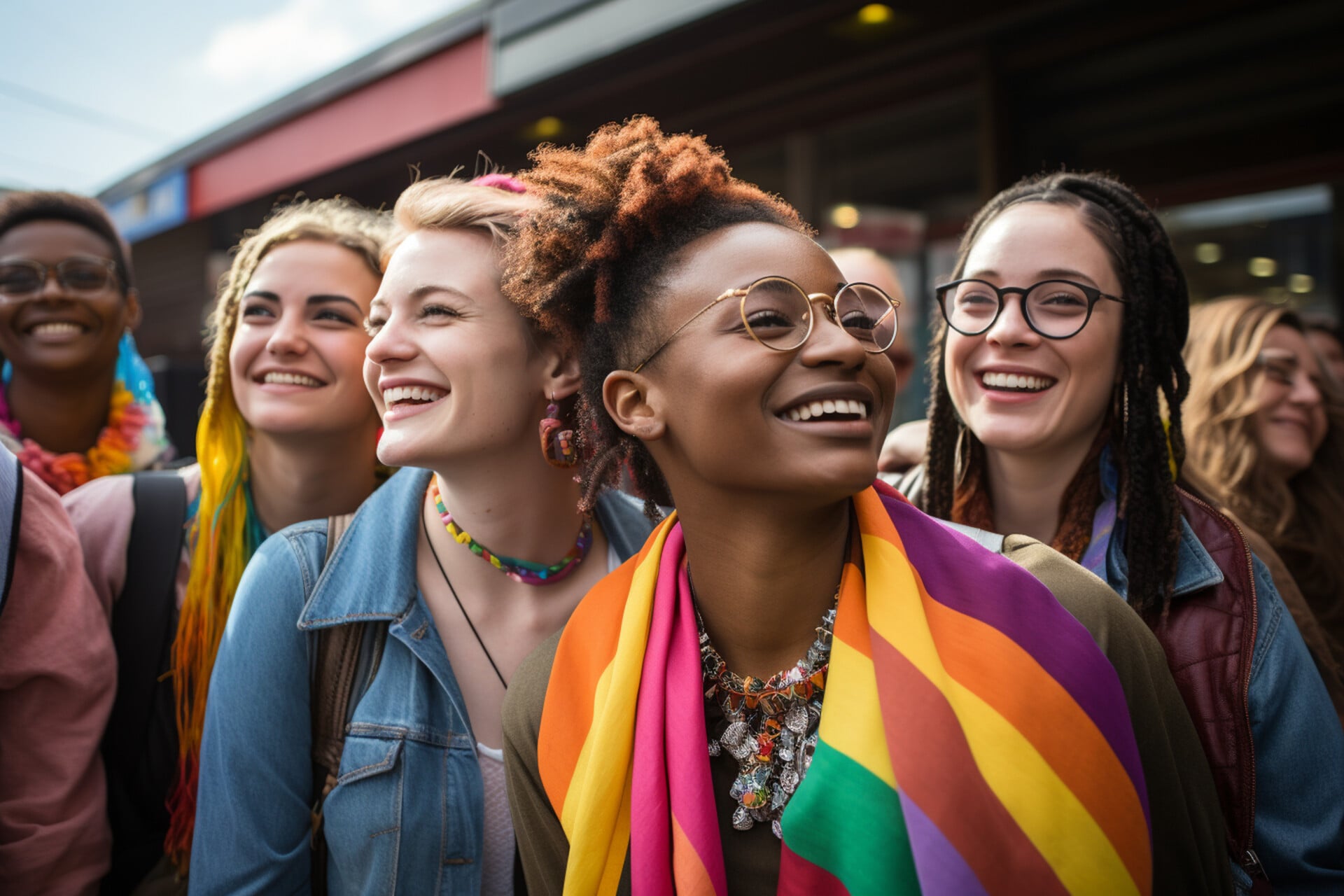
What if the future of feminism isn’t just a movement—it’s a digital wildfire, unstoppable and unapologetic, rewriting the rules of power, identity, and liberation in real time? The feminist struggle has always been a battleground of ideas, but now, with algorithms as allies and screens as megaphones, we’re witnessing a metamorphosis. This isn’t your grandmother’s feminism. This is a cyber-feminism, a quantum feminism, a feminism that doesn’t just demand equality—it hacks the system, leaving no binary unburned and no oppression unexamined. Buckle up. The future is here, and it’s intersectional, digital, and utterly relentless.
The Digital Womb: Where Feminism is Born Anew
Imagine a womb not of flesh, but of fiber optics and code—a digital uterus where ideas gestate at the speed of light. This is where the future of feminism is being forged, not in the sterile halls of academia or the echo chambers of protest signs, but in the chaotic, vibrant sprawl of the internet. Social media isn’t just a tool; it’s a living organism, a pulsating network of dissent, creativity, and raw, unfiltered truth. Hashtags like #MeToo and #TimesUp didn’t just trend—they mutated, evolving into global movements that refused to be silenced.
But here’s the playful question: What happens when the digital womb becomes a war room? When every tweet is a Molotov cocktail and every meme a manifesto? The internet doesn’t just amplify voices—it weaponizes them. Feminism, once confined to pamphlets and street corners, now thrives in the ephemeral glow of a smartphone screen. The challenge? Navigating this space without getting lost in the noise—or worse, becoming part of the machine we’re trying to dismantle.

Intersectionality 2.0: The Algorithm of Justice
Intersectionality isn’t just a buzzword—it’s the operating system of the future feminist movement. But here’s the twist: What if intersectionality itself is evolving? Enter Intersectionality 2.0, a hyper-aware, data-driven approach to liberation that doesn’t just acknowledge overlapping oppressions—it maps them, predicts them, and fights them with the precision of a surgeon’s scalpel.
Imagine an algorithm that doesn’t just recommend products but identifies systemic biases. A platform that doesn’t just connect people but exposes patterns of discrimination. This is the promise of intersectional digital feminism—a world where AI isn’t just a tool of oppression but a comrade in arms. The challenge? Ensuring these systems aren’t co-opted by the very forces they’re meant to dismantle. Can we trust algorithms to be fair when the world that built them is anything but?
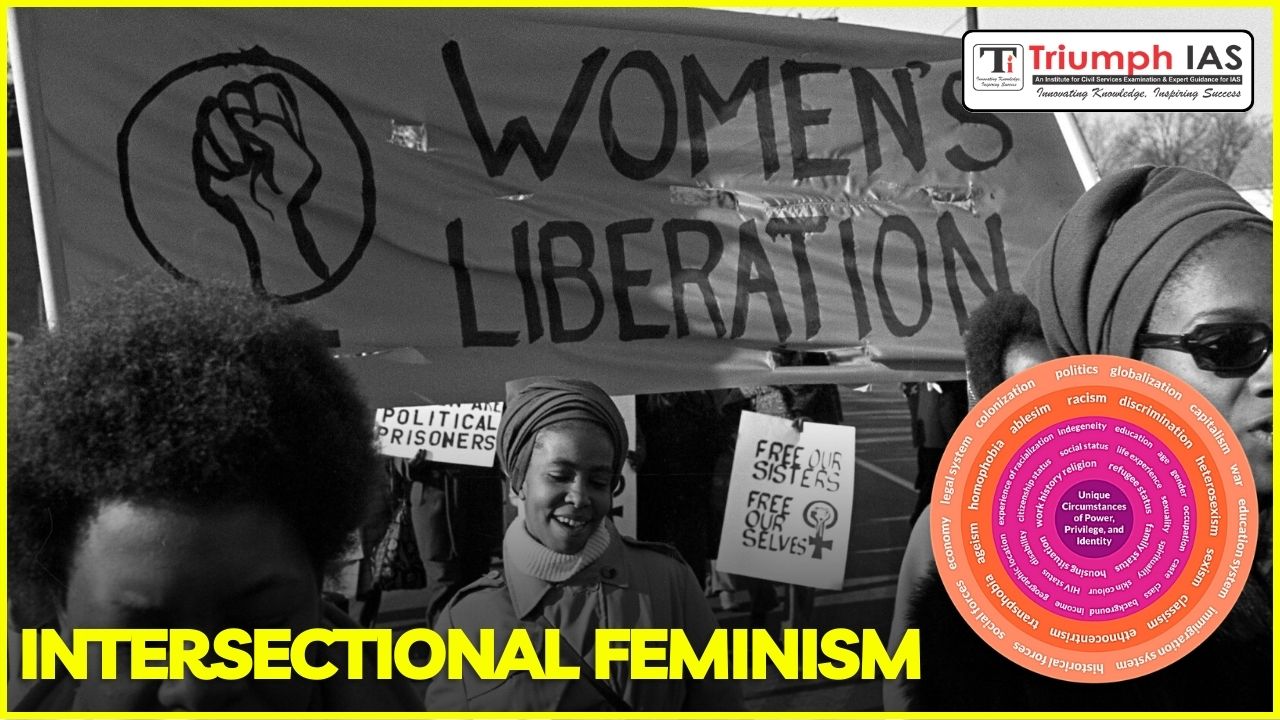
The Body as Battleground, the Screen as Shield
Feminism has always been a fight over bodies—who controls them, who polices them, who gets to decide their worth. But in the digital age, the body isn’t just a physical entity; it’s a data point, a profile, a digital avatar. This is where things get messy. On one hand, the internet offers a shield—a way to reclaim agency, to perform identity, to exist outside the constraints of flesh. On the other, it’s a minefield of surveillance, deepfakes, and algorithmic bias that can erase or exploit bodies with terrifying ease.
The playful question: What happens when your body isn’t just your own—but a currency in the digital economy? When your image can be stolen, your data sold, your existence commodified? The challenge is to wield the screen not as a cage, but as a catapult, launching bodies back into the world with newfound power. Can we hack the system before it hacks us?
Art as Activism: The Aesthetic of Rebellion
Feminism has always been an art form—a rebellion painted in bold strokes, a symphony of voices rising in unison. But in the digital age, art isn’t just a tool of protest; it’s a weapon of mass disruption. From viral TikTok dances that mock patriarchy to AI-generated manifestos that challenge the status quo, the future of feminism is as much about aesthetics as it is about action.
Consider the rise of cyber-feminist art—works that blend code, collage, and raw emotion to expose the fractures in our systems. These aren’t just pretty pictures; they’re digital Molotovs, designed to shatter illusions and ignite conversations. The challenge? Ensuring this art doesn’t get swallowed by the very institutions it seeks to dismantle. Can we create beauty that burns bright enough to outshine the algorithms?

The Unstoppable Force: When Feminism Meets the Machine
The future of feminism isn’t a gentle breeze—it’s a hurricane, a force of nature that bends trees, reshapes landscapes, and leaves no stone unturned. It’s intersectional, digital, and utterly unstoppable. But here’s the catch: This hurricane isn’t just nature’s doing. It’s a cyborg revolution, a fusion of human rage and machine precision. The challenge? Keeping the humanity in the machine. Ensuring that as we build this new world, we don’t lose sight of the bodies, the voices, the lived experiences that make the fight worth waging.
The future of feminism isn’t just about equality—it’s about reinvention. It’s about turning the tools of oppression into instruments of liberation. It’s about hacking the system, rewriting the code, and leaving no binary unburned. So ask yourself: Are you ready to be part of the storm?







Leave a Comment