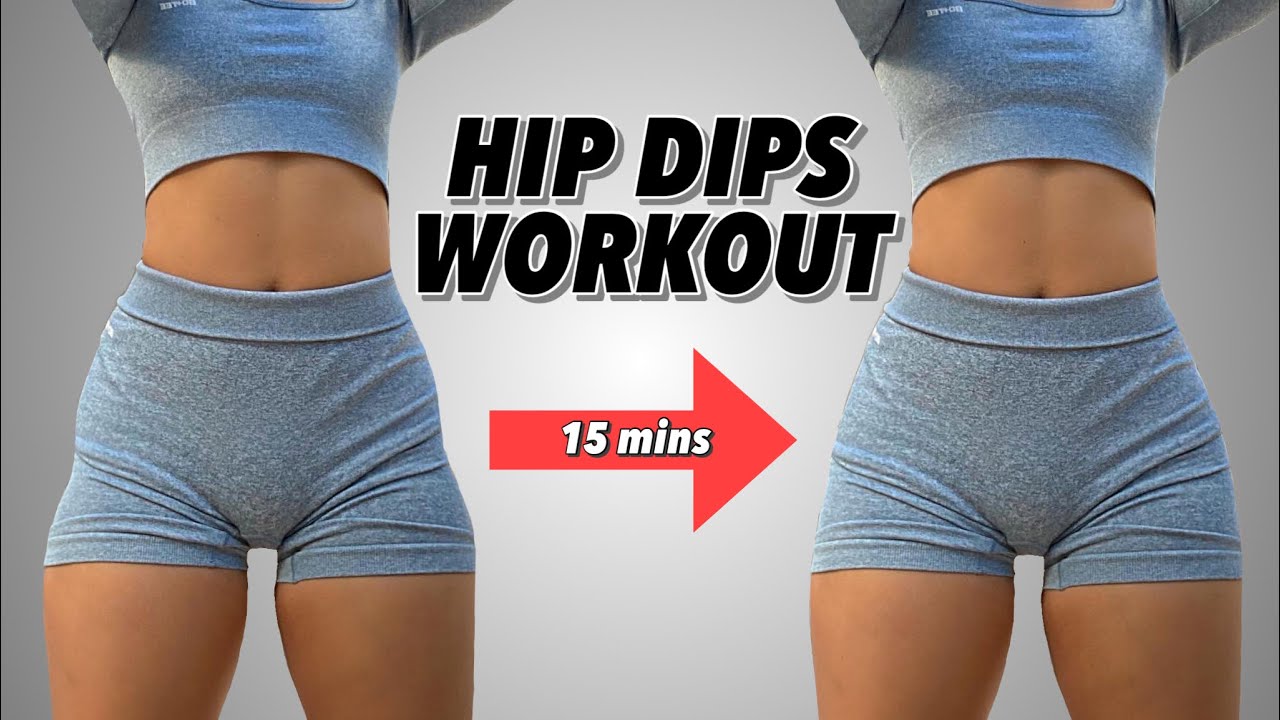
The beauty industry’s latest obsession—hip dips and thigh gaps—are not just physical features but carefully manufactured myths. These so-called “flaws” have been weaponized to perpetuate insecurity and rake in profits, reinforcing a narrative that our natural bodies are perpetually flawed unless corrected with products, procedures, or strict regimes. This article dissects how these body characteristics, perfectly normal and present in countless individuals, have been transformed into capital-generating figments of cultural discontent. Prepare to unravel the anatomy of a hustle designed not for empowerment, but for exploitation.
The Anatomical Reality vs. The Manufactured Myth
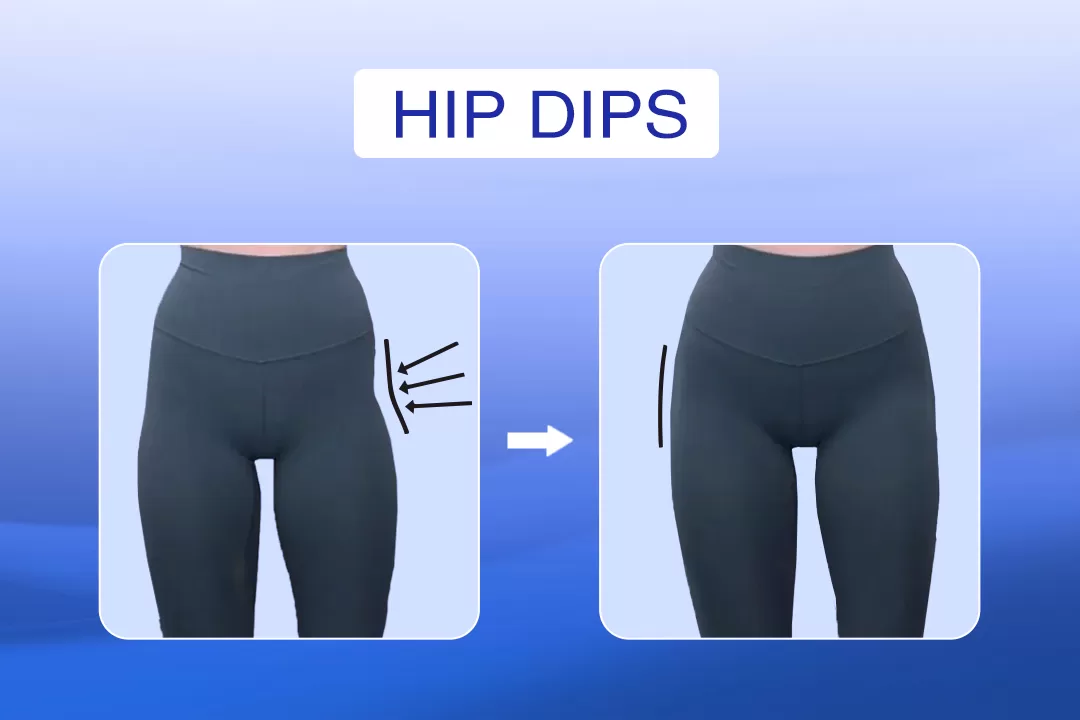
Hip dips, also known as violin hips, are simply the inward curves found along the sides of the body just below the hip bone. This indentation is a natural result of how the pelvis is shaped and how the fat and muscle distribute naturally. Similarly, thigh gaps are a matter of bone structure, muscle mass, and genetics, not something the majority of bodies were ever meant to embody. Yet, the cosmetic and fashion industries have fixated on these features as imperfections demanding correction.

By weaponizing ignorance about human anatomy, these industries have managed to convince millions that their physical uniqueness is an anatomical defect. The result? A widespread, pathological obsession with “fixing” perfectly normal body traits.
Marketing Malfeasance: Monetizing Insecurity
This is no accident. Hip dips and thigh gaps are tailor-made for viral social media spectacles—polished images depicting “before and after” transformations, countless influencers endorsing contour creams, shapewear, or even invasive surgeries. These “solutions” come with jaw-dropping price tags and dubious scientific backing but command intense consumer attention. What drives this frenzy is the manufactured anxiety that natural bodies are wrong or incomplete.
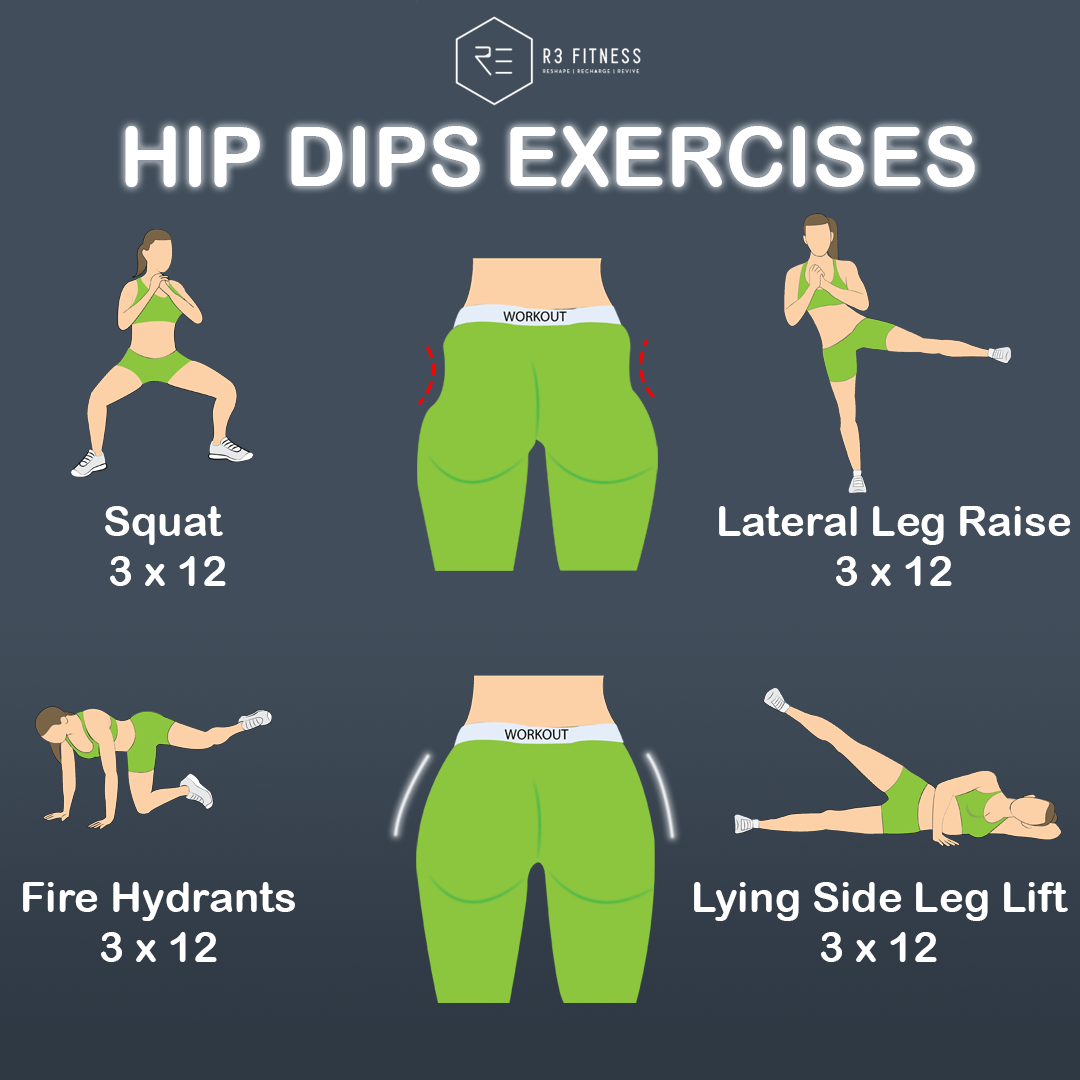
Fitness programs today often mislead with promises to “sculpt away” hip dips or achieve conspicuous thigh gaps. These programs rarely address the underlying fact that body shape, to a large degree, is predetermined by genetics and bone structure. Yet the industry thrives by promoting a relentless culture of dissatisfaction.
The Role of Social Media in Perpetuating Unrealistic Ideals
Platforms like Instagram and TikTok amplify and distort these beauty ideals through filters, digital retouching, and algorithmic promotion of certain body types. The result is a homogenized image of beauty that excludes the vast diversity of human forms. Young people, especially women and girls, are bombarded with curated content suggesting their natural curves are unacceptable.
This toxic feedback loop doesn’t just erode self-esteem—it drives a consumerist cycle where body dissatisfaction is translated directly into sales of products and procedures promising transformation.
Procedural Promises: Surgery and Cosmetic “Fixes”
The most insidious aspect of this fabricated flaw phenomenon is the rise of cosmetic surgeries and minimally invasive procedures targeting hip dips and thigh gaps. Fat grafting, fillers, liposuction, and body contouring treatments are aggressively marketed as routes to the “ideal” body, effectively medicalizing normal anatomy. Patients often undergo these procedures pursuing an aesthetic ideal born from cultural manipulation, not medical necessity.
While individual choice to alter one’s body must be respected, the broader context reveals that these trends are symptoms of a society prioritizing profit over well-being. Many procedures carry risks and psychological costs, yet the narrative remains “enhance, perfect, conform.”
Counter-Narratives and Body Sovereignty
Reclaiming control over our bodies means dismantling the pernicious narrative that we have to “fix” ourselves to be acceptable. Feminist activism and body-positive movements challenge the stigmatization of natural body shapes, pushing back against a narrowly defined aesthetic canon. Media literacy, education, and vocal advocacy are key to elevating diverse representations of beauty.
Celebrating hip dips and thigh gaps as ordinary, beautiful variants of human form is a radical act in today’s climate. It disrupts the profit-driven machine that depends on insecurity and fosters a healthier, more inclusive self-image based on autonomy and respect for difference.
Educational Content: Promoting Informed Empowerment
Readers can expect content that goes beyond surface-level reassurance to provide scientifically accurate, anatomically sound information about body diversity. Explainers about bone structure variability, muscle distribution, and fat layering debunk myths surrounding “problematic” areas like hip dips and thigh gaps.
In addition, well-researched critiques of marketing tactics, social media dynamics, and the cosmetic surgery industry will illuminate the power structures benefiting from these fabricated flaws. This is knowledge with a purpose: to arm readers against manipulation, inspire critical thinking, and foster radical self-acceptance.
The Way Forward: Redefining Beauty on Our Terms
The path toward body justice involves collective refusal to participate in the commodification of self-hatred. It is a call to question everything: Why is a feature as natural as a hip dip suddenly “undesirable”? Who profits if millions believe this lie? How can we amplify voices celebrating untamed body diversity?
Through discourse, activism, and art, the definition of beauty can shift from narrow, exclusionary standards to a vibrant embrace of difference. This movement refuses the exploitation embedded in the “fix it” culture and calls for a future where bodies are sites of power and pleasure—not profit and shame.








Leave a Comment