Have you ever paused mid-scroll, a twinge of unease creeping in as yet another “mom guilt” meme, workshop, or quote floods your feed? What if the very guilt that feels so personal and inescapable is not just a natural byproduct of motherhood but a meticulously cultivated industry set up to feed on your insecurities? Imagine guilt not as a fleeting shadow of conscience, but a currency—one that the modern capitalist machine has commodified and sold back to you under the guise of empowerment and healing. Intrigued? Let’s unpack this labyrinthine conundrum.
The Alchemy of Mom Guilt: From Inner Criticism to Capitalistic Commodity
Mom guilt, that pervasive sensation of falling short in the endless juggling act between nurturing, career, self, and social obligations, is deceptively intimate. But here’s the rub: what feels like an organic, internalized struggle is increasingly shaped by external actors with profit motives. This isn’t some grand conspiracy, but rather a sophisticated intersection where emotional labor meets market demand.
Companies, influencers, and self-help gurus have expertly identified a niche—and a very lucrative one at that—by bottling mom guilt and repackaging it as something to overcome, manage, or even celebrate. This cycle thrives because guilt is endlessly renewable: there’s always a new struggle to highlight, a new emotional fissure to exploit. Instead of dismantling the structural inequalities that induce this guilt (lack of maternity support, unrealistic cultural norms, systemic undervaluation of caregiving), the narrative is personalized. You are the problem, and here’s the solution—for a fee.

A Gospel of Guilt: How “Empowerment” Became the New Burden
Consider the surge in “motivational” content—quotes, affirmations, and journal prompts urging moms to forgive themselves, rise above imperfections, and weather the emotional storm. At first glance, it’s a balm, a community, a lifeline. Yet, peeled back, this “self-care gospel” often transmutes into an augmented burdensmanship. You are tasked not only with the Herculean endeavor of motherhood, but also with the Sisyphean labor of unceasing self-improvement.
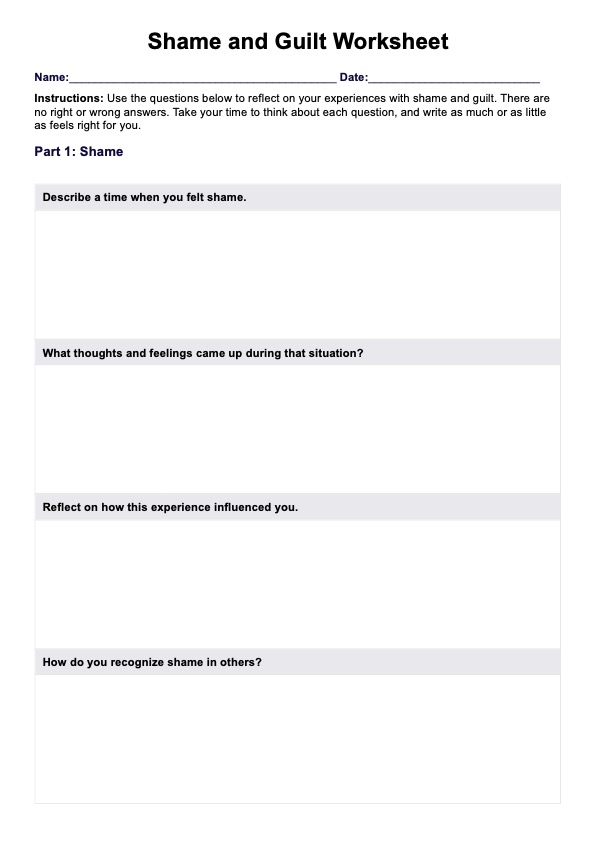
Products like personalized journals, shame-and-guilt worksheets, and guided therapy courses flood the market promising clarity, balance, and healing. But the irony is sharp: the very mechanisms designed to alleviate the guilt make it a perpetually accessible product. “Heal your shame” quickly becomes “invest in your healing.” This transformation suggests that freedom from guilt isn’t a societal or political demand—no, it’s a niche product subtly marketed to desperate consumers.
Perpetuating the Myth of the Flawless Mother: Marketing the Impossible Ideal
The media and advertising ecosystems play an instrumental role in fermenting fertile ground for mom guilt to thrive. Flawless images of multitasking, impossible schedules, and “supermom” feats saturate social platforms. Yet these snapshots are meticulously curated, often amplified by filters and digital magic. The result? A collective narrative that motherhood should be a seamless blend of joy, success, and sacrifice—all without visible strain or complaint.
When reality inevitably fails to match these mythic standards, the internal dialogue morphs into self-flagellation. “Where am I failing? How am I not measuring up?” It’s a rhetorical trap. And businesses emerge as pied pipers offering salvation through purchasing productivity planners, subscription coaching, or curated content explaining how to hack perfection in parenting. The system feeds on this cyclic inadequacy, transforming discontent into bottom-line revenue.
Who Really Benefits? The Architects Behind the Mom Guilt Industry
At the heart of this industrial labyrinth are savvy marketers, start-up founders, social media moguls, and wellness entrepreneurs—all operating within the broader schema of capitalism hungry for new markets. These stakeholders have tapped into mom guilt not only as a cultural phenomenon but as a monetizable entity.
Workshops, downloadable digital content, apps promising emotional regulation, and community memberships cater explicitly to moms as a demographic ripe for psychological investment. Their pockets fill while mothers often remain ensnared in the same culpability trap they sought to escape. The irony is crushing: what appears as a supportive ecosystem can be a meticulously designed apparatus for commodification of distress.

Breaking the Cycle: Radical Reframing and Collective Accountability
Disentangling from the mom guilt industry requires more than personal introspection—it demands societal upheaval and a radical reframing of care itself. What if motherhood were not a solitary journey of perfection but a communal endeavor supported by equitable policies and cultural validation? What if the conversation shifted from “How can you fix yourself?” to “How can we fix the systems that manufacture guilt?”
Policies offering universal childcare, paid family leave, and workplace accommodations would strike at the root conditions that incubate guilt. At the cultural level, dismantling sanitized portrayals of motherhood and embracing unfiltered narratives would erode the unrealistic standards that fuel shame. And within the marketplace, demanding transparency and ethical accountability from those who profit off emotional ecosystems can reorient profit toward genuine empowerment rather than extraction.
Playful Resistance: Questioning the Guilt Machine
So, here’s a tantalizing challenge: what if you decline the invitation from the guilt industry to purchase your peace? What if the power to resist lies in seeing through the veneer of caring capitalism? This is not a call to dismiss genuine feelings but to recognize the structural forces molding them. Guilt can be a compass, but only when it isn’t weaponized for profit.
This playful interrogation transforms self-reproach into rebellion. You become a discerning consumer, an activist within your emotional economy, reclaiming narratives and demanding systems that nurture instead of capitalize. Because at the end of the day, motherhood is not a market to be cornered, nor is your dignity a commodity to be sold.








Leave a Comment