In a symphony of casual cruelty, the phrase “Why you look tired” has become an insidious dagger cloaked in everyday concern. It’s a backhanded comment masquerading as empathy, an offhanded barb that quietly corrodes the spirit. To utter it to a woman is to reduce her vibrant existence to mere exhaustion, as if her worth is measured only by the freshness of her visage. This seemingly benign phrase carries a cultural weight far heavier than its syllables suggest, weaving itself into the fabric of gendered microaggressions that women confront incessantly.
The Exhaustion Metaphor: A Silent War Waged on Appearance
“Why you look tired” is not merely an observation; it is an indictment wrapped in a metaphorical web. The body becomes the battleground, and the signs of fatigue transform into a public display of supposed failure. In a society where women are often cast as paragons of unyielding grace and ceaseless energy, looking tired is tantamount to admitting defeat. It’s as if each wrinkle or shadow beneath the eyes is a scar from an invisible war—a war where women battle unrealistic standards of beauty, productivity, and emotional resilience.
This fatigue metaphor transmutes into a pernicious measure of adequacy. Underneath the sarcastic veil of concern lies a subtle accusation: “You are not maintaining your façade.” This is a transgression against the unwritten contract that women should appear perpetually polished, composed, and ready to perform emotional labor. Behind this comment festers an erosion of the woman’s individuality, reducing her multifaceted identity to simply an image to be curated.
When Care Masks Control: The Power Dynamics Embedded in the Phrase
At first glance, “Why you look tired” might seem like a benign question—an invitation to share the burdens of life or to receive sympathy. Yet, this phrase often functions as a tool to wield control through concern. It operates within a patriarchal lexicon where women’s bodies become public property, subject to unsolicited evaluation and judgment.
This phrase serves as a covert assertion of power. By commenting on a woman’s appearance, the speaker delineates boundaries of acceptable femininity and energy levels. It is a subtle policing of embodiment, a reminder that women are always under scrutiny. The implied message: transparency about exhaustion is not welcomed, vulnerability is a weakness, and failure to hide fatigue is a social faux pas.
The performative expectation it creates is suffocating. Women are coerced to maintain an illusion of vitality and emotional stability not just for themselves, but for the comfort and validation of those around them. This militarized expectation denies women the basic human dignity to simply be tired, to have limits, and to exist beyond aesthetic judgments.
Intersectionality of Fatigue: When Race, Age, and Roles Complicate the Insult
Fatigue does not manifest in a vacuum; it is layered and compounded by intersecting identities. The seemingly simple phrase “Why you look tired” carries different connotations for women across racial, generational, and social spectra.
For women of color, this phrase can echo historical stereotypes of emotional labor and invisible exhaustion—carrying burdens that are unseen but deeply felt. It too often dismisses the complexity of their lived experiences, reducing them to tired bodies rather than resilient souls. The exhaustion tied to fighting systemic inequality, micro-aggressions, and cultural invisibility is invalidated by these hollow remarks.
Similarly, for older women, the comment is laced with ageism, a cruel reminder that youthfulness is prized above all else. To look tired is to be “past your prime,” which amplifies societal fears about aging and irrelevance. The pressure to perform perpetual youthfulness is a unique burden, one that this phrase ruthlessly enforces.
Young women, especially those navigating demanding roles as caregivers, students, or professionals, face this comment as an echo of societal impatience. “Why you look tired” becomes an intolerant rebuke for showing human limitation in a world that often glorifies relentless hustle.
Silencing Vulnerability: Exhaustion as an Emotional Taboo
At its core, the phrase criminalizes vulnerability. It stigmatizes fatigue, turning a natural, human state into something shameful and unacceptable. This creates a culture where women conceal their exhaustion rather than seek rest and support.
The emotional weight of this exhaustion isn’t just physical. Burnout, anxiety, and mood fluctuations become invisible burdens, dismissed through perfunctory concern. The phrase communicates not just a critique of appearance, but a dismissal of the underlying causes of fatigue—be it work stress, emotional turmoil, or systemic pressures.
When women internalize these messages, the consequences are devastating: a cycle of exhaustion masked by smiles, further deepening the divide between external appearance and internal reality. The innocent façade of casual concern, therefore, becomes a mechanism of emotional repression.
The Subversive Reclamation: Turning the Phrase into Empowerment
Despite its corrosive nature, the phrase “Why you look tired” can be reclaimed as a catalyst for powerful discourse. By peeling back the layers of this insult, women can expose the cultural machinery that enforces unrealistic standards and emotional policing.
Reclaiming fatigue means accepting and honoring the full spectrum of human emotion and experience. It involves dismantling the myth that female worth is inseparable from physical appearance or relentless energy. Women can transform “Why you look tired” into a starting point for conversations about self-care, boundaries, and mental health.
Empowerment lies in rejecting the expectation of perpetual performance. It means asserting the right to rest without judgment and to embrace imperfections as authentic features of existence, rather than flaws to be corrected. Through collective resistance, what once sought to diminish can instead illuminate the resilience and humanity behind every tired face.
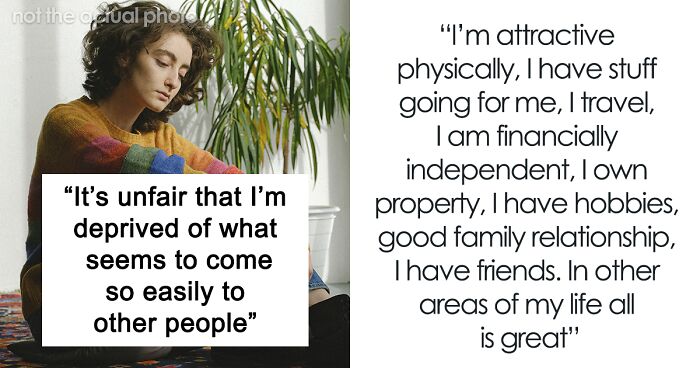
The Unique Allure of Tiredness: Beyond Surface Appearances
There is a paradoxical beauty and authenticity in genuine tiredness. It narrates stories of dedication, sacrifice, and relentless striving. Beneath the dark circles and heavy eyelids lies a narrative of strength, an invisible badge of the battles fought daily. To dismiss this as merely “looking tired” is to overlook the extraordinary resilience embedded within.
The unique appeal of tiredness challenges the glittering illusions of perfection. It humanizes and grounds women in their truth, cutting through the superficial veils that society expects them to wear. Embracing and respecting this tiredness fosters empathy rather than judgment, connection instead of distance.

Conclusion: Dismantling the Insult, Cultivating Compassion
The phrase “Why you look tired” is a linguistic minefield, packed with silent judgments and masked aggressions. It operates as an emotional microcosm of the broader societal demand for women to perform an impossible standard of unflagging energy and flawless composure. To confront this phrase is to challenge a culture that trivializes fatigue and weaponizes concern against authenticity.
True respect and empathy demand moving beyond superficial comments to recognize the woman’s whole personhood—including her exhaustion, her struggles, and her extraordinary capacity to endure. It means dismantling the metaphoric cage that binds women to impossible ideals and replacing judgment with genuine compassion.








Leave a Comment